

Every so often, I try to dive into writing craft books to learn and hone my skills. Here’s a few I read this year and the nuggets of wisdom I gleaned from them. If you’re looking for a star rating, I’ve decided against giving star ratings for craft books because, to be honest, I don’t enjoy reading them, but I do it for the learning opportunity. However, I did rank them from 1-7 here!
Story Genius (#2)
I actually bought this book several years ago, but just finished it today. I took a few solid nuggets away about character and motivation, however there’s a lot of how-to writing process detail in here that wasn’t quite what I was looking for.
However, if you’re a writer just starting out and looking for a breakdown of the story crafting process, this might be the right book for you!
Big Takeaway: The reader has to connect with the main character. If not, you’ve already lost them. (This book did bring an epiphany for me a few years ago, shifting my perspective from plot-driven to character-driven.)
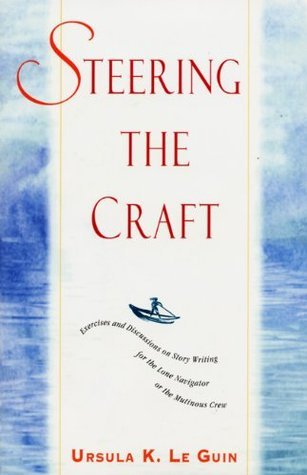
Steering the Craft (#4)
I’m reading writing craft books this weekend, and as this one was recommended by quite a few internet strangers, I grabbed it from the library. This is definitely different from the other craft books I read in that it really is (and the author says this upfront) a workbook with exercises and examples like you would do in a workshop.
She even has recommendations for how many writers work best in working through the exercises in a peer writer’s group, how often to meet, etc. And not only does she have detailed exercises to drive home the different elements and tools of writing but examples from classic literature as well.
Overall, it was a quick, interesting read with a few insights that resonated with me, but I would most recommend this for those looking for exercises to work through in a peer writing group, especially when refining their writing at the line level.
Big Takeways: Write for you, be intentional with punctuation, listen for your rhythm, and beware the grammar bullies.
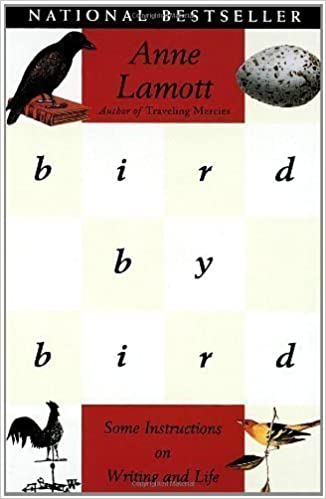
Bird by Bird (#6)
This is another one I started a long time ago, but only finished quite recently. This, I feel like is less a guideline on writing and more a philosophical take on it.
My Big Takeways: Write one step at a time, write for you, and if you something strikes you in an emotional way, write it down.
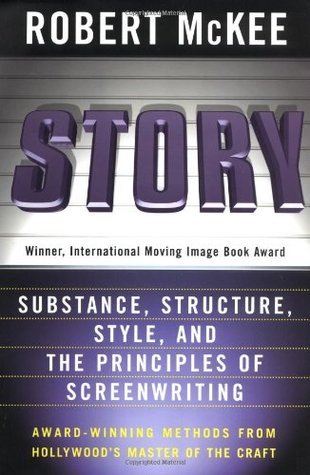
Story: Substance, Structure, Style, and the Principles of Screenwriting (#5)
This one is a little tough to review since I got the audiobook and I found the narration somewhat off-puting. I do like how this book approached story from a very broad level and then broke down the elements of story into extremely fine detail from beats to character to setting with examples from well-known movies.
Takeaway from this one: The best stories are multilayered and universal, and if every beat doesn’t serve the story, cut it.
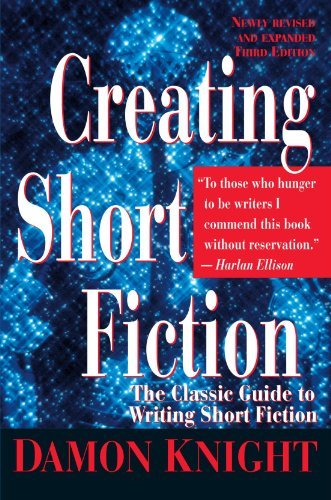
Creating Short Fiction (#1)
A little dated in some respects, but I actually really liked some of the exercises here, especially when it comes to mining your experience to put things that really matter to you in your writing. The interplay between the unconscious and conscious mind was also interesting. Also, his thoughts on a “story-writing computer” were also amusing considering the present world we now live in.
Big Takeaway: As a microfiction writer, I also found his delineation between a sketch, an incident, an anecdote, and a story to be interesting. (The story involves emotional involvement and impediment.) And his thoughts on contrast also resonated. (That even grim stories must have viscerally light moments and vice versa)
Of the craft books I’ve read in the last two weeks, I think this is the one I would most recommend so far.
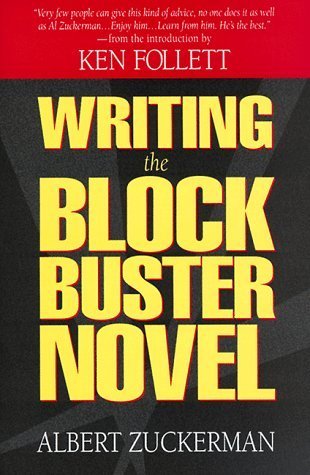
Writing the Blockbuster Novel (#7)
Of the six writing craft books I’ve read in the last few weeks, I think this one might be my least favorite. It mostly relies on the in-depth analysis of a few stories, and while I enjoyed the big points, overall I felt it was a bit of a dry read.
Big Takeaway: Blockbuster books rely on high stakes, powerful characters, dramatic scenes, intense excitement, “sexy” settings, 3-4+ point-of-view characters, intense emotional ties between the characters, and a radical premise.
Romancing the Beat: Story Structure for Romance Novels (#3)
This craft book was concise with a light sense of humor that made it super easy to read. While I don’t think this beat structure is universal for the romance genre, I do think it is a solid starting point, and there were some good insights here.
Takeaways: Romances are about two characters who each have some flawed misconception about love that is healed through a relationship journey that foundationally changes what they think about love. They most often progress in a 2 steps forward, one step back kind of dance and the dark moment will be related to their flawed romance-perspective.

Thanks for reading!
 Hayley Reese Chow
Hi Hayley!
Very cool post 🙂 I think “Story Genius” and “Story” will be good for me to read. How did you balance out reading about the craft and reading for fun and writing? I’m finding it a bit difficult to balance things at times.
“The reader has to connect with the main character. If not, you’ve already lost them.” So true. I will keep that in mind.
Great reviews of the craft books 🙂
“As a writer, it’s important for me to read craft books so I can grow and learn… but I’m officially craft-booked out for 2024.” Understandable. You’ve read a bunch of them. It’s awesome that you did.
Take care, my friend!
LikeLiked by 1 person
Ehhh, I think I really just try to get into craft books about once a year, otherwise it becomes too much for me. You take care as well, Alex!
LikeLike
That makes sense 🙂 I might do something similar (1-2 craft books). Thanks 🙂 I hope you had a nice weekend, my friend :).
LikeLike