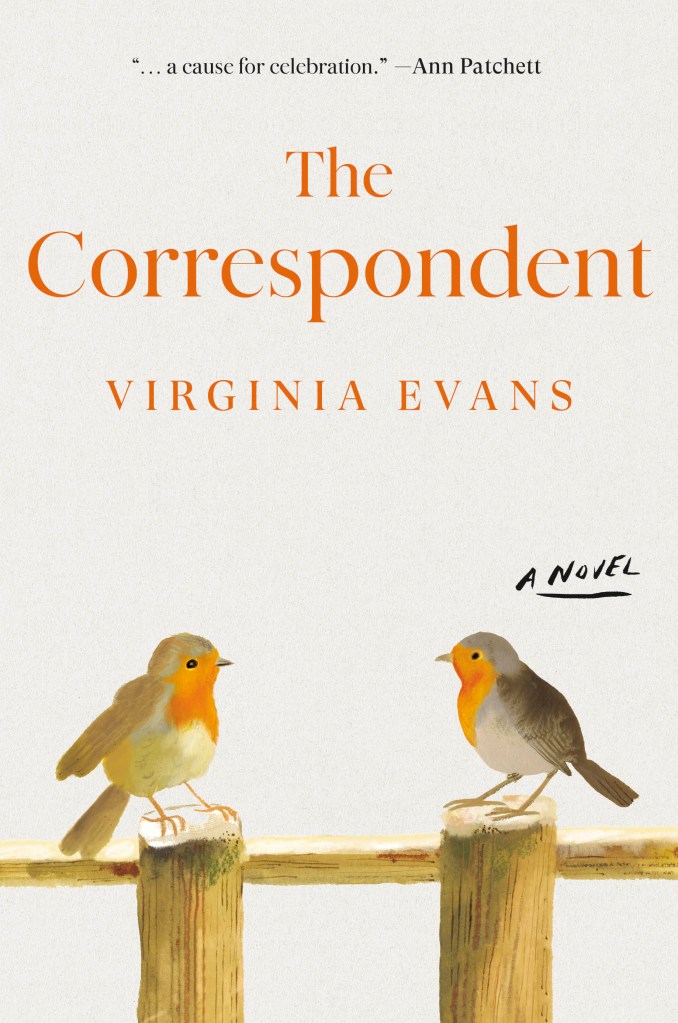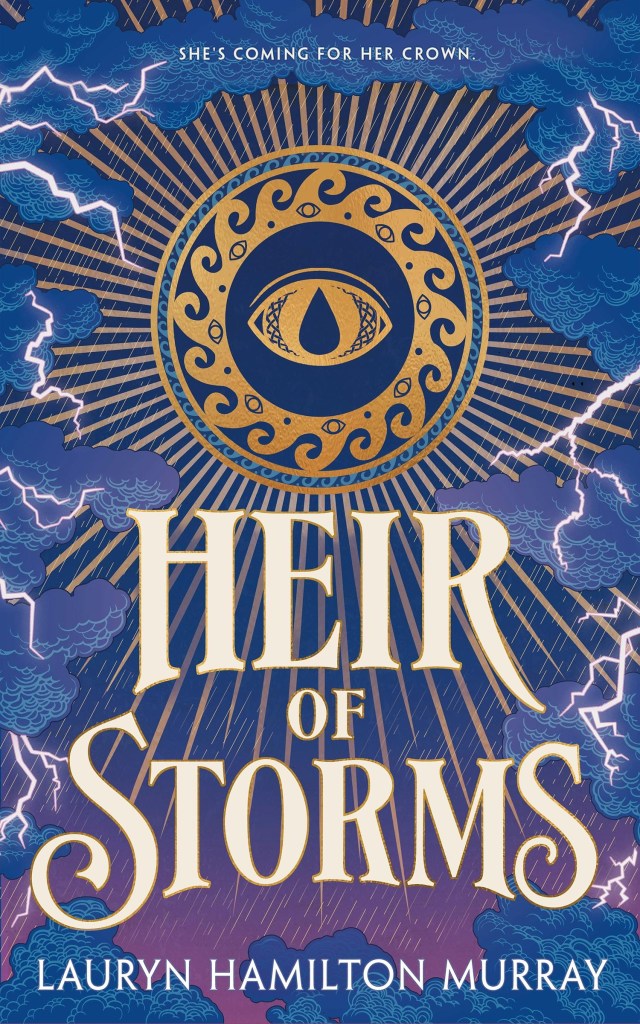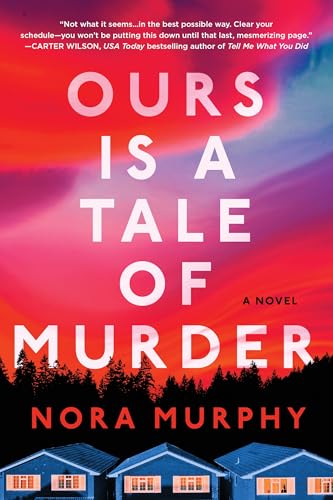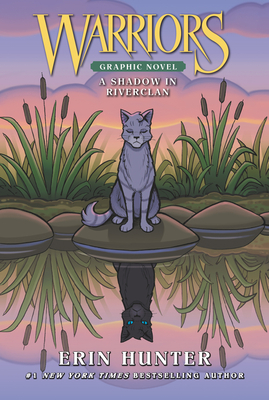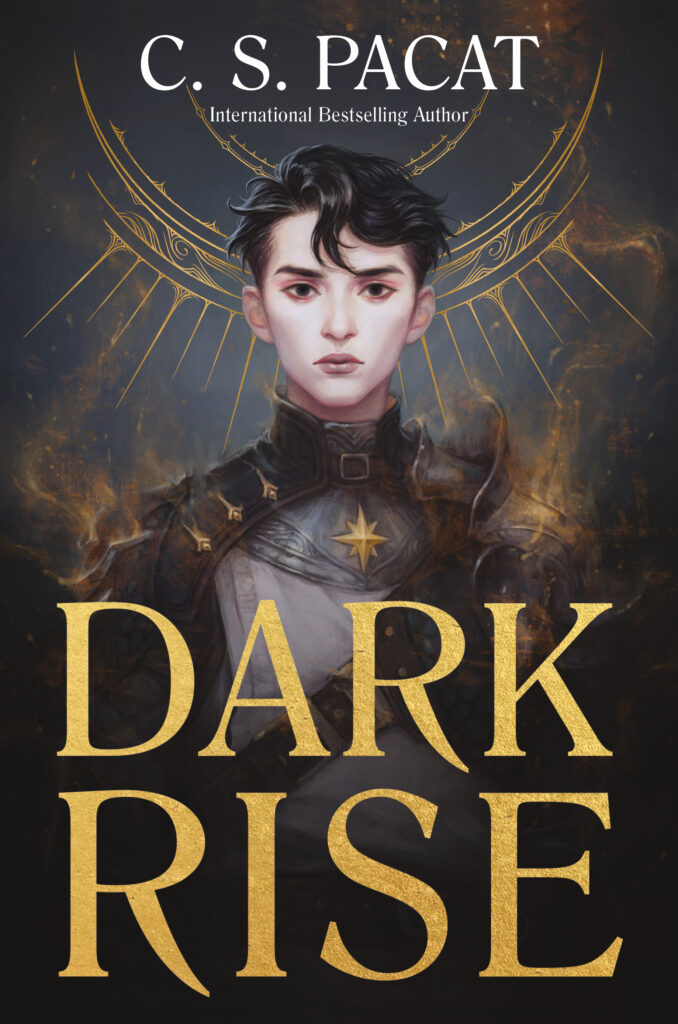
Audiobook Review – Listen for the Lie


Loved this read! The voice was fun, the tension was tight throughout, there’s a seed of romance, the narration was amazing, and I honestly didn’t know who did it until the end. Honestly this may be my favorite read of the year so far, and I highly recommend for anyone looking for a fast-paced whodunnit!

⭐⭐⭐⭐⭐

This was so fun! Definitely a good find!

Thanks for reading!

Audiobook Review – And Tango Makes Three


My 7-year-old and 9-year-old were having a discussion about why books are banned, so we listened to this audiobook (which is delightfully narrated by Neil Patrick Harris), and which is also banned in an adjacent county. I’d actually read it to them when they were younger and we found it on their daycare shelf, but they don’t remember.

It’s an adorable, charming book with sweet pictures that they enjoyed when they were young.
As older children, discussing why someone would want to ban this book (and others) was invaluable. Highly recommend.

⭐⭐⭐⭐⭐

And just in case it needs to be explicitly said, our family stands passionately against book banning.

Thanks for reading!

What does a writing process look like?


I recently had someone ask how I tackle revisions and realized the writing process I posted years ago has evolved as I’ve grown more efficient. Honestly when you’re writing the first one or two books, I think one of things you’re also doing is defining your writing process. The process is something that improves over time, and I try to look it over every now and again to see if it needs any tweaking. While everyone’s will look different, if you’re starting from a blank page and looking for a starting point, here’s how mine goes.

(I’ve delineated the thought from the writing time that these steps takes because I’m a firm believer that writing is 90% thought and 10% writing it down, but it’s very difficult to measure the amount of time you think about something. And most people seem to hyper-fixate on the amount of writing time anyway. )

1.      Plot Seed: Plot idea strikes from the aether, and I write it down My latest one came from a microfiction piece I wrote for the NYC midnight writing challenge. The one before that was just a random hypothetically that popped into my head. Just make sure you write it down! The writing portion of this process takes about 30 seconds.

2.      Outline: The idea usually percolates in the brain space for a few days before I decide that I absolutely need to write it and type up the 1-page Save the Cat Outline. The writing portion of this takes about 30 minutes.

3.      Detailed Outline / Zero Draft: I write up a chapter-by-chapter outline. Sometimes this is more detailed than others. Sometimes it’s a summary of what happens in each chapter, and sometimes it reads like the screenplay (dialogue-only) version of the chapter outline which I sometimes refer to as a zero draft. The writing time varies widely as this chapter outline/zero draft can be anywhere from like 3,000-20,000 words, which is like 3-20 hours.

If I put more time here, the next step will be quicker. If I skimp on this part, the next step takes longer. Mostly, it depends on what other projects I have going on at the time as to how much time I put into this, and how fully I’ve thought about it. You could also break this into two steps, but I’m not sure if I’ve ever done it that way. In my most recent first drafts, I’ve just done a short chapter outline which probably took me about 3 hours.

4.     First Draft: In this draft I’m just telling the story to myself. Getting the bare bones of it down on paper and maintaining momentum. I cannot understate this enough – this sucker is literally unreadable by anyone else. It will have too many inconsistencies for the story to make sense, the setting details will be minimal, and I show it to no one. So, it will usually fall about 10-15k words short of whatever the final word count will be. That said it usually takes me about 1 hour per 1000 words, and I write shorter novels, so 70,000 is usually pretty normal for me. Let’s say 70 hours. If I budget 2000 words/day, which is doable for me, that’s 35 days of writing.

5.      First Revision: This is where I make it readable for my first reader, which, these days, is one of my long-term critique partners (who are also authors). It’s honestly pretty difficult for me to gage how long this takes. I think it takes about 2-3 weeks, which at 2 hours/day, is an average of 35 hours, which sounds about right. This is definitely the hardest revision.

6.      Second Revision: After I get it back from that first reader, I revise again. This one usually goes a lot faster, since I have specific advice from another author friend, and takes me about a week, so we’ll say about 14 hours. After that, it goes out to 2-3 first-round Beta Readers. These are trusted beta readers I’ve used multiple times, and who have read many of my stories. Most of them are authors, but I have one professional beta reader I’ve been using for a long time.

7.      Sanity-Check Revision: Finally, it goes out to second-round Beta Readers, who are 2-3 readers (not writers.) This is really just a sanity check to make sure the story works, but also usually results in some very small tweaks. Maybe like 4 hours.

8.      Industry Professional Revision: This is also where I send it to my Developmental Editor at Whimsical or my agent. They will both send me edits which can take varying amounts of time. I think we usually do at least two rounds which take about 1-2 weeks each. So probably about 24 hours.

9.      Post-Submission Revision: So far, I’ve only done this once, but if the book gets picked up by a publisher from submission, there will be another editor-led round of revision. I’m sure the amount of time this takes varies widely depending on the editor, but I’d estimate about 24 hours again.

10. Line Edits and Proofing: These are super quick they come as recommendations from the copyeditor and proofreader and are generally very straight forward. I’d say 2 hours each for a total of 4 hours.

So there it is: 178 hours, 30 min, and 30 seconds of my authorly writing time to get a book ready to publish. Since I do about 2 hours of writing a day, that’s about 90 days of work spread out across varying lengths of time depending on the speed of publishing and how many projects I’m working.

Please keep in mind that this does not include the publisher’s, agent, editor, critique partner, and beta reader time that also goes into. And it doesn’t include thinking time either. Which is just to say, it takes a lot of time for myself (and the people around me) to get a book ready for publication.

It’s funny, when I started this post, I thought it would show how much my process has been streamlined and simplified, but honestly looking at it, it reads more complicated than it feels. But that’s probably just because at this point, 20+ books in, I’m just very comfortable with it.

When that writer asked me about tips for revision, my biggest advice was to use CPs and Beta Readers to help you find where and how to revise because their objective eyes will save you tons of time. Also, I think when you’re first starting out, it’s easy to want to revise a book forever with the idea that it’ll never be good enough. But just remember, every revision will bring diminishing returns, and any growth you experience in writing this book, you will bring to the next book as well.

So as you write, give thought to your process, so that you know both when to sit down and begin, when you need another pair of eyes, and when it’s time to send that book baby out in the world and hope it flies!

Happy Writing!

Thanks for reading!

Book Review – The Phantom Tollbooth


I read this aloud to my 7-year-old and 9-year-old on our vacation, and they both said they “loved it.” (The highest praise on their 3-star scale.) I will admit the sheer number of clever turn of phrases in this book is wild, and they enjoyed the silliness of Milo’s wacky adventure. Though the tension isn’t as high as in some of the other books we’ve read together, they were both still asking for more chapters each night. I imagine a watch of the movie is in our future and highly recommend for a read aloud with elementary schoolers.

⭐⭐⭐⭐⭐

Credit where credit is do. This one is *chef’s kiss.*

Thanks for reading!

How to Find More Books You’ll Love in Two Easy Steps


So I have found in the last few years that many, many of the popular books on social media are… not my type of story. Unfortunately, because I’m on social media a lot, I was leaning into Bookstagram recommendations to fill up my to-be-read list (TBR), and it wasn’t working out great. Even books with a high Goodreads rating or on Goodreads “must read” lists just weren’t hitting for me, and it was putting me in frequent reading slumps (feeling like you don’t want to read or have to force yourself to read).

In the depths of the reading slump, I would think the problem was me and force myself to keep reading a book to the end. But then, I would find a book that I would just get SUCKED INTO and felt like devouring—like I couldn’t put it down. And I realized, it’s not me or the book, but rather a book-reader mismatch. And often, the book I found engrossing and unputdownable, wasn’t my ‘typical’ kind of book.

So I started giving myself permission to DNF books any time after the 10% mark. Even if the books were “okay,” that’s not the sensation I was looking for. I want books that hooked me with their characters and voice and world. I wanted to find books that I LOVED—that I could scream about. If I didn’t feel like I *had* to keep reading, I would put it down.

Which means, naturally, I DNF a *lot* of books. For example, I’ve DNF’d ~30 books in the last ~45 days. In that same timeframe, though, I’ve finished 4 books, 3 of which were 5-star reads for me. I don’t really see a DNF as any kind of judgment on a book except “not the right read for me at this time”, and though I put them on my DNF Goodreads shelf, I don’t give them a rating or review.

I download a ton of books on the Libby app, listen to the first 10%, and then decide, essentially, which 1 or 2 I’d like to keep reading. I think of it as browsing in a bookstore and sitting down to read the first 1-2 chapters before deciding if I want to keep reading.

Now the next natural question is: well that’s a lot of books to buy not to actually finish any of them. How do you not go broke?! And the easy answer to that is, I use the library. Which is freeeeeeeeeeeeeeeeeee. Specifically, because I am an audiobook listener, I use the Libby App with my library card number. Then I can download ~20ish books at a time and sample them pretty quickly to find the ones that are right for me.

Since sampling a book is very low risk when it comes to money or time, I feel free to step outside of my normal reading zone in terms of genre to try a broad variety of things of all kinds of popularities. When I’m out of reads, I simply sort “Audiobooks” by “Latest Added” with the filter of “Available now” and download the first 20 that aren’t sequels and I haven’t sampled before.

Because honestly, I don’t care what anyone else rated the book—I want to find the ones perfect for me. And, real talk, I am extremely picky. So before I go on a road trip, I make sure my library loans are maxed out! It also makes it fun to go into the book without any preconceived notions except the title and the cover—I’m so often genuinely surprised, and it’s a super fun feeling.

So yeah, if you came here for the two easy steps, here they are:

1.      Use your library to check out as many books as you can at a time across a wide spectrum of genre and popularity and heck, even audience.

2.      Read the first 10% to find the ones that demand that you keep reading, and DNF the rest.

I’m sure this process won’t work for everyone, but I’ve found that I read SO MUCH MORE this way. I finished more books than ever before last year, with more books that I truly loved than before. And I’m on track to beat that record this year. Not that speed matters, but what’s really important is that I’ve managed to avoid those reading slumps and find the right books for me at the right time. Highly recommend.

Love your Library because it loves youuuu.

Thanks for reading!

Book Review – Number the Stars


I read this one aloud to my 7-year-old and 9-year-old on our vacation. There was lots to discuss and learn about the Holocaust, WWII and what it means to be brave. They kept asking me to keep reading and in the end, they both said they “liked it.” (My kids rate books on a 3-star scale: I loved it, I liked it, or not for me.) It was a super fast read that kept us turning pages, and I definitely recommend it, especially if you’re looking for a read-aloud historical fiction that kids will both understand and want to talk about.

⭐⭐⭐⭐⭐

A classic for a reason!

Thanks for reading!

How to Find Confidence as an Author Amid Failure and Rejection


So, if you’ve been following my end-of-the-year writing wrap-up posts, I think we can all agree that I ended on a little bit of a downer at the end of 2025. Between the looming creative apocalypse that is genAI and my own personal odyssey of submission, I will readily admit that I came into 2026 floundering and a little hopeless about the prospects of my writing career.

So, I set my focus for 2026 to make myself slow down, search for balance, and re-center on my joy of the craft. My Fantasy Horror manuscript went on sub in February, and then I took to writing craft books. I was lucky enough to stumble upon Ray Bradbury’s Zen in the Art of Writing, and it was honestly the perfect book that I needed to shove me out of my mental spiral.

Somewhere along the way, I’d gotten caught up in the idea of “author career success” defining the worth of my words. I’m sure if you’re reading this, that probably makes sense to you as well. But when my mind was slanted in that direction, all I could think of was the need for a manuscript to succeed on submission. But when that thought consumed me, every day without a new book deal felt like a failure. So to try to escape that negative mindset, I tried to shift my thinking to assume that all my submission would be failures. That way, I figured if I was perpetually prepared for the worst, then I could be inured against rejection.

Honestly, it was a step forward, but it was still kind of a hopeless mentality. It was only when Zen in the Art of Writing really reminded me that success, big or small, isn’t the point at all. But rather the joy and honesty of it. The point is to mine the originality of our own experience to more fully perceive the world around us.

And you might look at that, and think, “well, obviously, Hayley.” But knowing a thing and your bones knowing a thing are two different beasts entirely. Only when I’d accepted the inherent worth of my own words and the exercise of writing—two things that no rejection could ever steal from me—was I able to relax again. I felt free to write what I *needed* to write. To take my time. To soak it in. To enjoy creation and the truths it reveals to myself. To, as Ray Bradbury put it, get “busy loving and hating.”

Once solidly in this new headspace, I then felt weirdly confident. Because I knew, naturally, that I’ve survived hundreds of rejections, and that any matter of hundreds more would not blow my ship over. That I didn’t have to bow to the pressures of industry to burn my little free time to attempt to be a prolific social media marketer first. Because I’d re-found the “why” of my writing. And if we want to get into a Nietzsche quote here, “He who has a why to live for can bear almost any how,”—the  same goes for writing.

Some come what may of our ‘how’—rejections, genAI slop, traditional publishing follower-requirements—I have my ‘why.’ And if you’re a creative struggling with these same realities, I hope you’re able to take a moment to re-center yourself and your work as well. Highly recommend.

Don’t let the genAI slop win.

Thanks for reading!

Book Review – Zen in the Art of Writing


I’ve read quite a few writing craft books at this point, and I’ll be honest, quite a few of them are misses for me, but I really enjoyed this one. I’ve definitely been feeling a little lost in my author life, and this was *exactly* the book I needed. Bradbury’s writing is straight up mesmerizing, the descriptions of his journey, writing process, inspirations, and advice were fascinating, and in general, I think he gets straight at the heart of writing. I absolutely recommend it, but know going in, this is less concrete advice about how to write, and more about finding the balance amidst industry pressures and motivations – about centering on the art in our writing and ourselves.

A Favorite Quote: “The faster you blurt, the more swiftly you write, the more honest you are. In hesitation is thought. In delay comes the effort for a style, instead of leaping upon truth which is the only style worth deadfalling or tiger-trapping.”

⭐⭐⭐⭐⭐

Thanks, Ray, I needed this one.

Thanks for reading!
NYC Midnight Challenge – Scary Story Challenge – Second Round – The Lesser of Two Devils

The Lesser of Two Devils

January 2025 (Second Round)
Scare: Road Trip
Action: Getting A Sunburn
Character: A Scammer
Time Constraint: 48 hours
Length: 400 words

I shouldn’t be doing this—driving into the desert with a sack of money is a sign you’ve taken a wrong turn somewhere. But when your sister’s sicko ‘boyfriend’ calls you at the devil’s hour so you can hear her scream for rescue, you follow her down whatever path you must.

The foster homes my sister and I survived forged us into a package deal, so it didn’t take long for Jeff to figure out how to scam us. At this point, we practically reek of famished desperation, with an aversion to law enforcement that must’ve seemed irresistible.

So I hurtle toward the remote coordinates with my heart in my throat. Hunger gnaws at my belly, and my skin burns under the sun’s rays through my open windows whistling in the desiccated air.

An eternity passes before I arrive at the tall rock formation where two cars squat in the shade. Three men surround Grace where she sits, gagged and zip-tied, at their feet. Adrenaline races through me.

This is evil.

Still, I park the car and step onto the sandy earth with shaky legs. “I have the money.” My voice cracks, and I try to swallow, but all the moisture has left my mouth. Everything rides on this.

“Toss it over.” Jeff’s lip curls. “Keys too.”

And there it is. My sister raises her gaunt, tear-streaked face, and a bleak realization jumps between us. I want to tell her I’m sorry, that I’d turn back the clock to a time before monsters if I could. Instead, I throw the items to Jeff. “Let Grace go.”

Their lascivious sneers twist into a deeper ugliness. “And now we have two,” Jeff chuckles.

I scan the desert, but it will bear no witness, so I meet Grace’s pleading gaze. “It’s okay.”

Her shoulders sag, and as the men stalk forward, I let out a shaky breath of pure—

Relief.

Finally, we can eat.

Grace breaks her bindings, and her teeth sink into Jeff’s throat before he can scream. Crimson paints the golden sand as we feast.

Because, yes, we are evil.

And we shouldn’t be doing this.

But in this corner of Death Valley, the larger devils feast on the smaller ones—and we refuse to be small anymore.

After all, if this is the path I must take to feed my sister, I’ll take a road trip through hell any day.


This one came in fifth place in my group and advanced me to the final round. The feedback is below!

WHAT THE JUDGES LIKED ABOUT YOUR STORY

{2124}  “The Lesser of Two Devils” creates a believable bond between these two sisters almost immediately, which is essential to carrying the story. You can feel the care the protagonist has for Grace, especially in the paragraph where she wants to apologize.

{1943}  Wow. This was a very surprising and intriguing story. I liked the reference to the devil in the first paragraph, which created a strong atmosphere and frightening tone at the start of the story. The characterization of Jeff was very strong. I shuddered at him insisting she threw the money and the keys, and I got chills at the statement “And now we have two.” The sudden energy as Grace broke through and attacked Jeff was startling and thrilling. I loved this idea of the “larger devils” feasting on the smaller ones. This was an extremely satisfying ending!

{2376}  You do an excellent job of hooking the reader in with a compelling opening line, and the way you establish the intense stakes with the image of Grace screaming for help over the phone sparks a riveting sense of suspense. The way you leave the reader to assume that our character is way over her head while subtly setting up the reveal to come is some really impressive writing, and the surface tension of the scene before Grace breaks her bindings leaves the reader hanging in dread for the moment we think we’re headed for. The reversal of Grace biting Jeff is one of the best twists I’ve seen anywhere in a long time. And the way that you bring everything together with the callbacks to earlier lines as the story winds down leaves the reader with a delightfully dark ending.

WHAT THE JUDGES FEEL NEEDS WORK

{2124} Although it’s clear that “The Lesser of Two Devils” is stepping carefully in an attempt to set up its reveal, the first half of this story feels disconnected from the second. There’s a hard pivot from Grace seeming helpless to being a monster in no real danger from Jeff. In a longer story, there would be ample space to explore what moral and emotional concerns could be leashing Grace while keeping all of the introduction and more. There isn’t the case here. Consider trimming details in the first half of this story in order to make room for foreshadowing and hints that something beyond physical limitations is constraining Grace (something that would also help characterize her and her sister more). If done tactfully, this won’t give anything away while also making the story smoother. As far as suggestions for cutting, it might be beneficial to trim the sentence-long description of our protagonist’s dry mouth. Also consider condense the introduction – particularly the last sentence; do we need the “aversion to law enforcement” portion? Would “isolation” or another word work in its stead? How many instances of “and” could you cut from this story; how many adjectives are truly pulling their weight? You’re good at what you do. Condense this story to its desperate, nasty core.  

{1943}  I felt that at times, your sentences became a little long and unwieldy. For example, I wasn’t sure that you needed “whistling in the desiccated air” at the end of the paragraph describing her driving towards her sister. You might also consider phrases such as “but all the moisture has left my mouth”, where you’d already shown that she was struggling to swallow. We knew it was hot, so I’m not sure we needed this detail. I wasn’t sure that you needed the quotation marks around “boyfriend” in your first paragraph. I found this a bit distracting, and it created a pause in the flow of the story just as you were pulling us in. I would simply call him her sicko boyfriend, and let us figure out that he was untrustworthy, which you’d really told us with the fact that he was a “sicko”. If the intention was to show us that he wasn’t actually her boyfriend because Grace was conning Jeff by pretending to be his girlfriend, this also felt unnecessary. I would simply let us assume that he was her boyfriend before this drama unfolded. 

{2376}  There’s so much already going right in this story, but something you might consider in a potential revision would be end with the line “and we refuse to be small anymore.” The final line of the current draft leaves us with a satisfying punchline that releases the tension you’ve built up so well, but something you might try instead would be to let the tension linger, leaving the reader with a more ominous cliffhanger of an ending with the suggestion that this is only the beginning and these sisters are now out for revenge. Another idea you might consider would be to provide a hint of what’s to come in the line “My sister raises her gaunt, tear-streaked face, and a bleak realization jumps between us.” You do such a great job of sustaining the misdirection right up to the moment of the reveal, but you might also try pulling a thread loose by tweaking this line so that Grace does something unexpected. If, for example, you recast this line as something like a smile tugging at the corner of her mouth in place of the bleak realization, you could present the reader with a strange moment that will spark a sense of mystery, leaving us with the feeling that we should’ve seen the twist coming, even if the story’s so well constructed that there’s no way we ever would.


Thanks for reading! You can find the rest of my NYC Midnight Challenge entries and feedback here.
Book Review – Creating Characters: The Complete Guide to Populating Your Fiction


Since this one has articles from various authors on the same topics, there’s a lot of repetition in this one. I don’t remember what “recommended writing craft books” list I found this on, but it wasn’t my favorite.

Favorite Quote: “The further you stray from reader expectation, the more obligated you are to explain how you got there.”

Still searching for the writing craft book I need in my life. I know it’s out there!

Thanks for reading!