For Writers: How to decide whether to self-publish, submit to small presses, or query agents. (2026)


Choosing which path to take can be a hard decision! (Photo by Oliver Roos on Unsplash)

So as a writing mentor, I find this question a lot, and honestly it’s highly dependent on your own personal goals and preferences. But since, I’ve done all three of these things, I thought I’d break down my thoughts on it in case it’s helpful to anyone.

My goal has always been for my books to reach as many readers who will enjoy them as possible. So I started out querying agents, because I knew that I wouldn’t be able to match the marketing and distribution of a big-five publisher by myself.

But after querying for a couple years with no dice, I decided to self-publish my first series (a YA epic fantasy, Odriel’s Heirs), and had a great experience with it! There’s a serious learning curve, but there are a *ton* of resources online, and overall, it was very doable. This was an article I wrote on how I did it back in 2020.

Self-Publishing Pros:

·         You have all the control. You choose the editor, (or you can try editing yourself), and if they propose changes you don’t want to make, you don’t have to! You choose the cover artist (or you can do it yourself.) Want a jacketed special edition or an audiobook? You can make those happen too.

·         You’re going at your own pace, whatever that is, and you don’t have to wait on querying, submission, or a publisher’s timeline. Many self-published authors take advantage of this to move super quickly and publish multiple books a year.

·         All the profits go to you!

Self-Publishing Cons

·         Self-publishing can be very time-consuming. Because not only are you responsible for writing, you’re also solely responsible for marketing, distribution, design choices, formatting, etc.

·         While the stigma against self-publishing is gradually fading, getting your books onto shelves of brick & mortar stores (especially outside your local area) can be challenging.

·         All the upfront costs are on you, and like any business, you’ll have to make good choices if you want to earn out. That said, you could self-publish on a dime, but in general, you will probably have to make some upfront investments on a cover & an editor (especially if you’re just starting out).

·         Personally, I feel like it can be harder to market confidently when you’re standing on your own. Also, your connections & opportunities are limited to those you forge on your own.

Though I had a great experience self-publishing Odriel’s Heirs, I still wanted to expand my audience. So I continued to query. I self-published my middle-grade portal fantasy, The Gatekeeper of Pericael. But then when my YA starmance, Into the Churn, also stumbled in the query trenches, I decided to give small traditional presses a try. All my experience as a self-published author continued to help me, but I also had the support of other publishing professionals. Instead of a solo sport, it now felt like I was part of a team.

Of course, all small presses are created differently. So if you’re considering one, I’d advise you to remember the following:

1. A traditional press will not charge you ANYTHING to publish your book. NOTHING. If they’re talking about fees, that is (most likely) a vanity press.

2. At a minimum, I would expect the publisher to provide: editing, a quality cover, some marketing, and distribution. If you look at the books in their catalogue, and their books have poor (or nonexistent ratings), poor covers, or exorbitant prices, I’d consider those red flags. Also, if their physical books are only available on Amazon, that would be another red flag for me.

3. They should have a submission process. If they accept all manuscripts, they are a vanity press.

4. So when vetting a publisher, make sure to check out both their social media and their website to make sure it’s presenting the image you would expect. And then if they make you an offer, I’d ask if they could connect you with some of their authors to make sure they have good experiences.

Now, if you’ve found a solid small press, these are the benefits:

Small Press Pros:

–          No cost! They take care of the editing & cover (Which will also save you time if you were thinking of doing it yourself)

–          You don’t need an agent to submit! This could potentially save you a lot of time, but many small presses have small submission windows, so make sure you follow their social media to know when and how to submit.

–          Small presses generally move quicker than bigger presses (who have more books on their schedule.) In my experience, if you sign with a small press, they usually get your book published in the following  calendar year.

–          Now you have a team of professionals behind you with publishing experience! This is a great opportunity to learn a lot, and it’s also great for confidence (in my opinion.)

Small Press Cons:

–          You now have less control. You will now have an editor and a cover artist selected by the publishing press, and you may not have final say in those elements

–          You will now share profits with the publisher (but you don’t have to share it with an agent!)

–          You are also now the small press’s schedule, whatever that is, which introduces the risk that it may go faster or slower than you like.

–          You will also have to spend time on your submission package (query & synopsis & potentially other materials) to get selected.

I contracted directly with Whimsical Publishing, and to date, have published 6 books with them (my 5-book starmance series, Into the Churn, & my paranormal mystery, Fangs, Fate, & Mondays) with another 3 projected in the next 3 years. I’ve had an awesome experience with them, and they definitely helped expand my readership.

However, as a multi-genre author, not all my books fit their brand, and I was still striving for the goal of a big-five deal, so I continued to query my manuscripts to agents. After about four-ish years of querying, my fifth manuscript got picked up by an agent, Kristen Terrette of Martin-Newens Literary, and I’ve had a great experience with it. (I probably sound like a broken record, but I am being serious. I have been *super* lucky in my small little author career so far.)

Since signing with my agent, she’s sold three of my books, which are set to release in 2027-2028. Though I haven’t scored a big-five deal yet, one of the publishers, Charlesbridge Publishing, is distributed by Penguin Random House.

Please remember that there are scammers posing as agents out there so please be careful. They should have a professional website & social media. You should be able to look up their track record on Publisher’s Marketplace. They should charge you *nothing.* (Their payment comes from a portion of your sales, usually 15%.) And, before you accept an author, they should be able to give you the contact info for some of their authors that you can ask about their experience.

Working with an Agent Pros:

– They are able to submit to bigger publishers that you cannot submit to by yourself. Which also saves you the time of having to submit on your own. And if you get a big five deal, you can expect a bigger advance, and there’s the potential for your books to be on brick and mortar bookshelves across the country

– Expert advice & guidance on the publishing industry

– They will review your contracts for you & advocate on your behalf to make sure you’re getting the best deal you can

– If you have an editorial agent, often they will help you revise & clean up your manuscript and submission package to really make sure it shines

– You also have the benefit of their added connections & opportunities

Working with an Agent Cons:

– The submission process is a long haul. Big publishers can take up to a year to respond, and when they offer you a book deal, the publishing date could be a couple years out.

– A percentage of your profits goes to your agent.

One last note is that there’s a common misconception that signing with a big press means that authors don’t have to market themselves. That is patently incorrect. The benefit of a small or big press is that they will use their resources to help you, but as the author you are always expected to market your own work. (It’s one of the reasons that your social media numbers are part of the submission package.)

Anyways, hopefully this article is helpful as you choose your path. With my goal of maximum distribution of my books, I’ve always had the dream of publishing with the big-5, which is why I’ve chosen the agented path. However, I know of other authors who are amazing at marketing themselves & extremely business savvy, who have chosen the self-publishing route to maintain control of their work and 100% of their profits.

Which is all to say, there really is no wrong answer as to which path to take. It’s a personal decision for each author to make depending on their goals and preferences.

No matter what you choose, I wish you all the luck & joy on your publishing journey!
All the paths can be satisfying, but luck is involved in each, so wishing you all the four leaf clovers!

Thanks for reading!

For Writers: Pros and Cons of Being a Multi-genre Author


So many genres!

Pros of Being a Multi-Genre Author

– Freedom! You get to stretch different skills, experiment with different writing styles, plots, settings… literally the possibilities are endless. Also those skills you hone in one genre, you can then bring to another genre, giving you more breadth and experience as a writer.

– You reach a broader swath of readers! For example, I’ve encountered readers who “read everything but sci-fi” so it’s really helpful that I can also offer fantasy, paranormal mystery, and even a children’s picture book.

– You can flex with the market. This one is a little trickier, because while I would never recommend writing for the market alone (it’s too fickle and the risk is too high that would be a lot of unsatisfying work for no payoff), I also think ignoring it completely is also unwise. For example, lately, I’ve been hearing from a lot of industry professionals that YA (which I write the most) is struggling, so I’ve largely shifted my focus to an older market.

Cons of Being a Multi-Genre Author

– Your “brand” that you market becomes nuanced rather than straight forward. For example, I usually market that my stories lean heavily into sweet, green-flag, heartfelt relationships, fast-paced writing, and found family – whether that be in contemporary romance, fantasy, sci-fi, or paranormal.

– When you shift genres, you can’t necessarily rely on your established readership to embrace a new genre. They might, but there are many readers out there who like to stick to their established favorite genres. So, when you shift, you have to hustle a little harder in your marketing ot reach your target readership. For example, I just published a cozy paranormal workplace mystery and it may not be the right cup of tea for the readers who loved the epic stakes & intense action of my sci-fi series.

– You have to be very explicit about content. Since I write picture books, middle grade, young adult, and new adult, I try to publish content guides so people know exactly what they’re getting into. For example, if someone were to love my (unpublished) kisses-only sweet YA contemporary romcom, they need to know that my upcoming fantasy horror has violence, swearing, and a closed door scene. Because the last thing I want is for a reader top pick up a book and get content that they were expecting (in the worst way.)

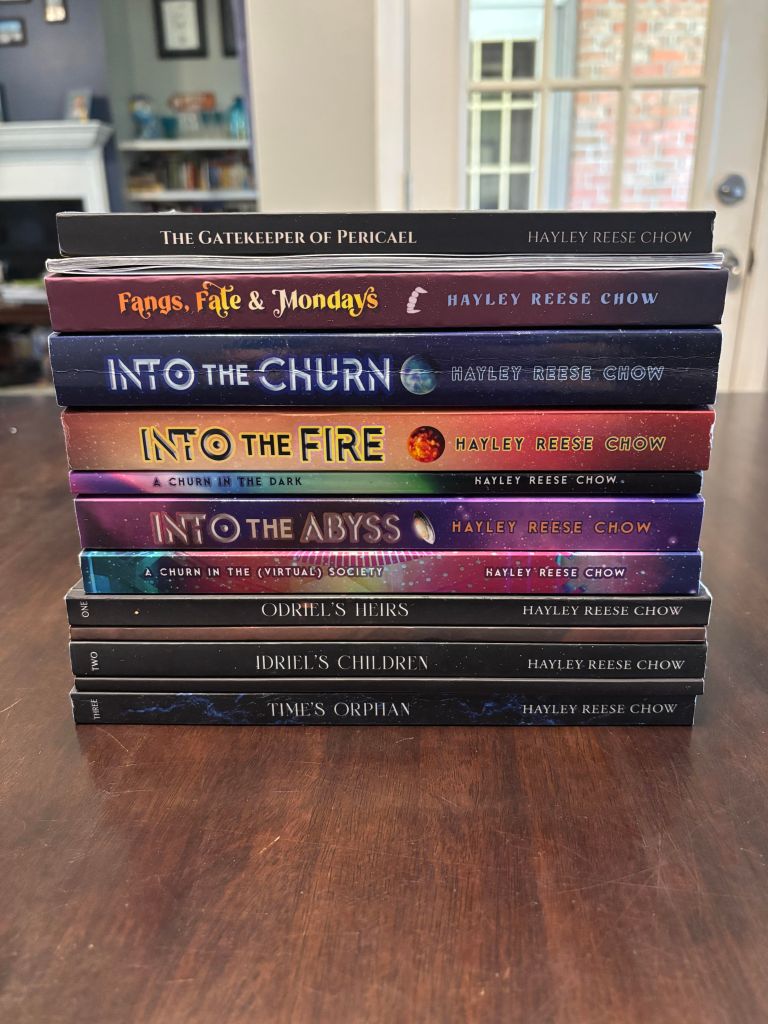
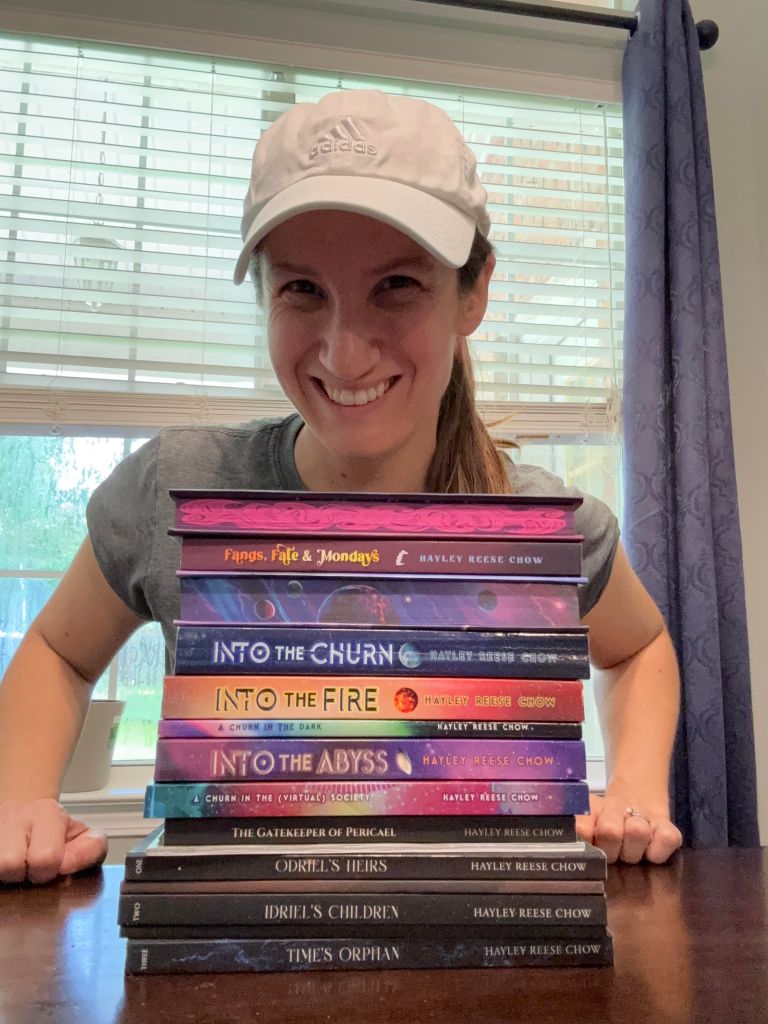
I mean, a colorful book stack always looks fun!

Thanks for reading!

How to Find Confidence as an Author Amid Failure and Rejection


So, if you’ve been following my end-of-the-year writing wrap-up posts, I think we can all agree that I ended on a little bit of a downer at the end of 2025. Between the looming creative apocalypse that is genAI and my own personal odyssey of submission, I will readily admit that I came into 2026 floundering and a little hopeless about the prospects of my writing career.

So, I set my focus for 2026 to make myself slow down, search for balance, and re-center on my joy of the craft. My Fantasy Horror manuscript went on sub in February, and then I took to writing craft books. I was lucky enough to stumble upon Ray Bradbury’s Zen in the Art of Writing, and it was honestly the perfect book that I needed to shove me out of my mental spiral.

Somewhere along the way, I’d gotten caught up in the idea of “author career success” defining the worth of my words. I’m sure if you’re reading this, that probably makes sense to you as well. But when my mind was slanted in that direction, all I could think of was the need for a manuscript to succeed on submission. But when that thought consumed me, every day without a new book deal felt like a failure. So to try to escape that negative mindset, I tried to shift my thinking to assume that all my submission would be failures. That way, I figured if I was perpetually prepared for the worst, then I could be inured against rejection.

Honestly, it was a step forward, but it was still kind of a hopeless mentality. It was only when Zen in the Art of Writing really reminded me that success, big or small, isn’t the point at all. But rather the joy and honesty of it. The point is to mine the originality of our own experience to more fully perceive the world around us.

And you might look at that, and think, “well, obviously, Hayley.” But knowing a thing and your bones knowing a thing are two different beasts entirely. Only when I’d accepted the inherent worth of my own words and the exercise of writing—two things that no rejection could ever steal from me—was I able to relax again. I felt free to write what I *needed* to write. To take my time. To soak it in. To enjoy creation and the truths it reveals to myself. To, as Ray Bradbury put it, get “busy loving and hating.”

Once solidly in this new headspace, I then felt weirdly confident. Because I knew, naturally, that I’ve survived hundreds of rejections, and that any matter of hundreds more would not blow my ship over. That I didn’t have to bow to the pressures of industry to burn my little free time to attempt to be a prolific social media marketer first. Because I’d re-found the “why” of my writing. And if we want to get into a Nietzsche quote here, “He who has a why to live for can bear almost any how,”—the  same goes for writing.

Some come what may of our ‘how’—rejections, genAI slop, traditional publishing follower-requirements—I have my ‘why.’ And if you’re a creative struggling with these same realities, I hope you’re able to take a moment to re-center yourself and your work as well. Highly recommend.

Don’t let the genAI slop win.

Thanks for reading!
WriteHive Mentorship Program 2026!

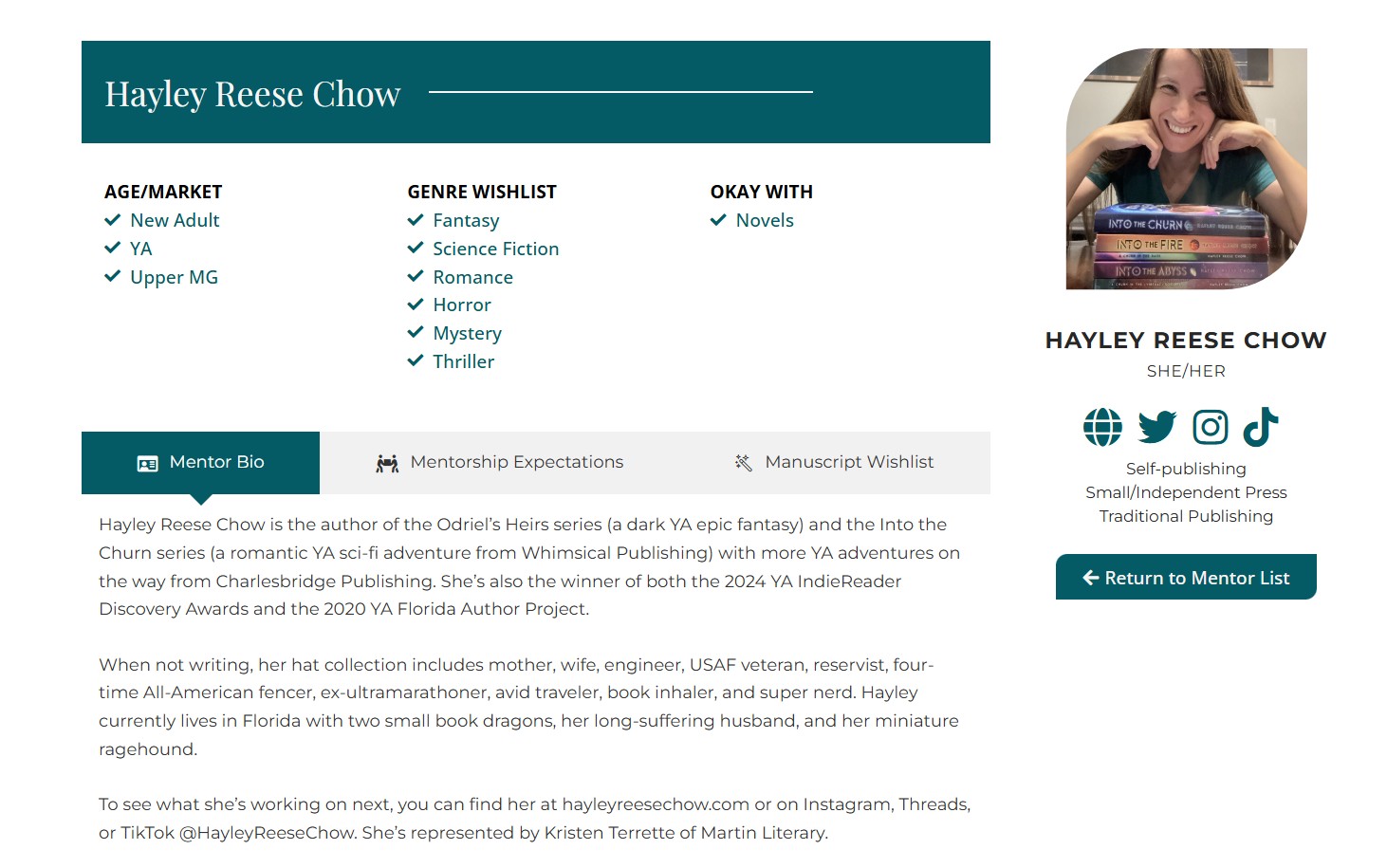
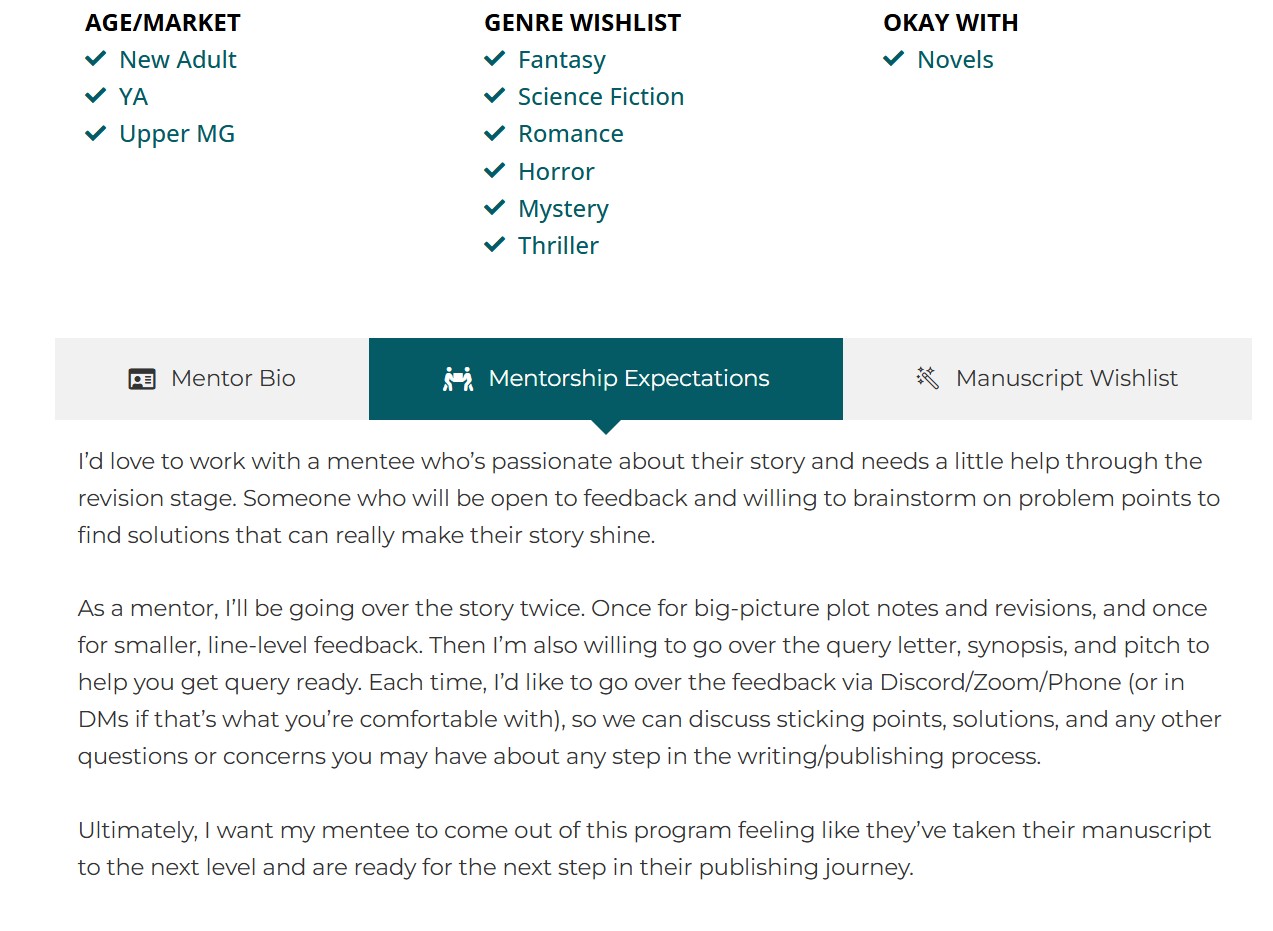
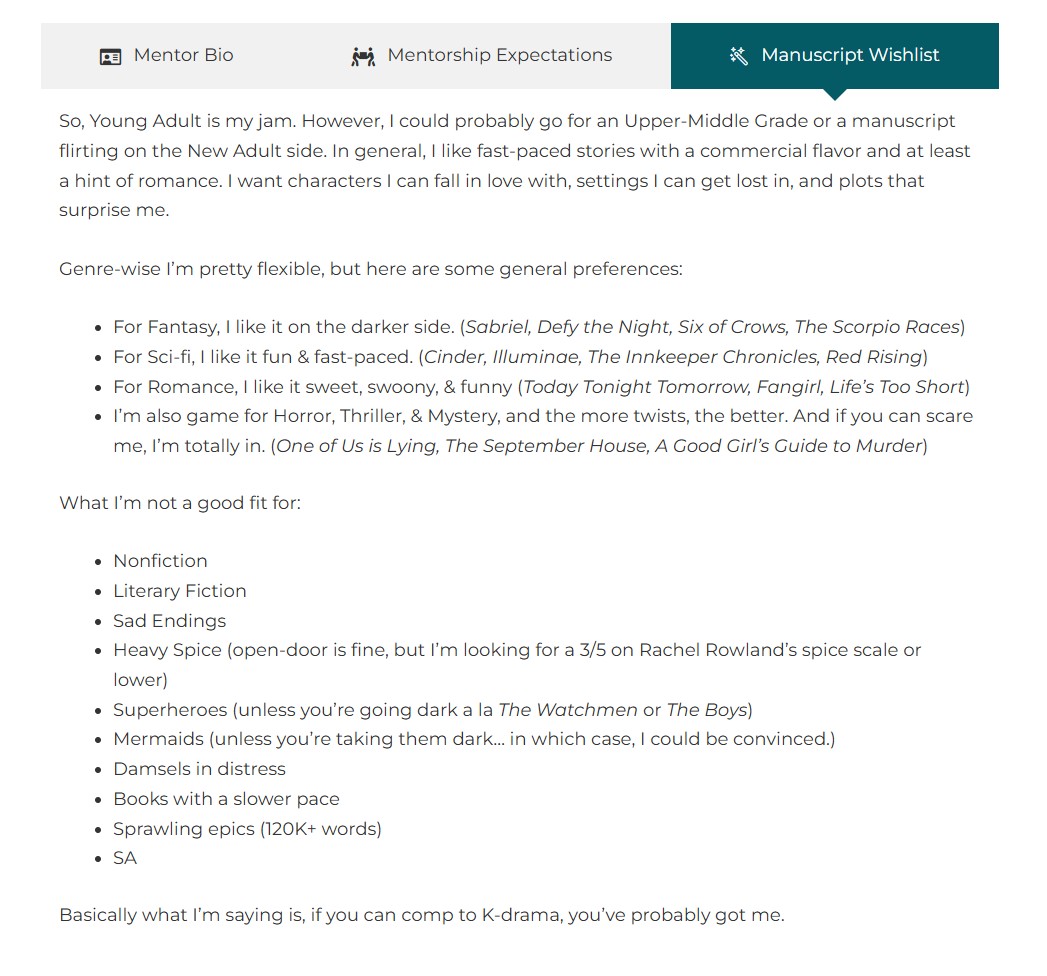
I’m so excited to announce I’ll be returning to the WriteHive Mentorship Program for my second year as a mentor. I had a great experience as a mentee in 2023, and again as a mentor in 2024, so I highly recommend this program to anyone looking for some help in whipping their manuscript into shape! I’ve included my mentor wishlist, profile and expectations below, but I highly recommend you check out all the mentor profiles here.

While you don’t submit to a specific mentor, I found it super helpful last year when applicants listed a few mentors they thought would be a good fit in their query/submission letters.

Also, if you’re curious as to what I’m looking for in submissions, you can find my breakdown of the submissions from last year here.

Last year, I went with Erin Scheuer‘s sweet new adult romantic comedy with YA crossover appeal which had huge K-drama vibes that I absolutely adored. But honestly this year, I’m pretty open when it comes to target audience and genre. There will be a Mentor AMA on WriteHive’s Discord & Bluesky next week if you have more questions, but if you’re on the fence about submitting, I hope you decide to take the leap!

Submissions will be open from Nov 14-16 and I can’t wait to see what comes in. If you’re submitting, good luck, and I’m excited to read your pitch!

Cheers friends and good luck!

Why I don’t support generative AI: A case for human artists


Not-so-fun fact: my books were among those that Meta used to train their AI without my permission. You can find the list here. (My books are listed under Hayley Chow.)

Personally, I can guarantee you that I will never use generative AI in my books or literally anywhere else. When I write anything, be it a story, a social media caption, or even this post, it is me talking to you.

This is one human being trying to connect with another. My stories are me trying to make sense of the world we live in, my experiences, and my perspective, and bottle all of that into a narrative that helps me (and others) process our human condition. Yes, I write science fiction and fantasy and romance, but when you boil a good story down—the characters, their struggles and emotions—you will find our humanity. When you read my books, at their heart, you will find me trying to sort out how I feel about the realities of being human in this world.

And humanity is something I have no desire to be replaced by a machine.

I do not need a machine to tell me how or what to think and feel. I don’t need a machine to tell me what it’s like to fall in love or get my heart broken. What it’s like to feel on top of the world.  When I need to feel seen in the pages of books, I’m looking for my reflection in the eyes of another person. I’m looking for those author’s words to tell me I’m not alone.

Because in the mouth of a machine, those words only ring hollow and false.

But then of course, the next question you might ask is, “but Hayley, what about visual art?” Because people have asked this. And honestly, I feel like it’s amusing that people feel the need for this follow-up.

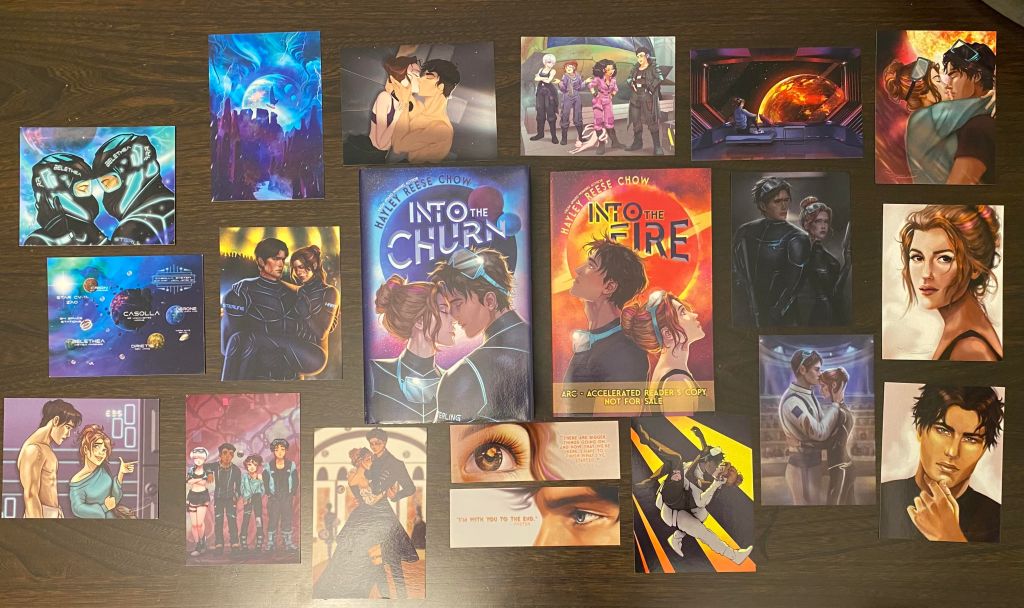
It’s no secret that I commission lots of character art to help promote my books. But I only commission human artists. I love to see how visual artists take my books and my characters, and, using their own human perspective, bring them to life on paper. It is their world connecting to mine with honest emotion and skills that I cherish.

After all, what is art?

The answer, of course, is subjective, but for me, art is human expression through a skilled medium with the intent to connect to another human being.

You see, there’s no room for AI in that definition.

Because I’ve been lucky enough to stand beneath the Sistine Chapel, to see the Raft of the Medusa in the Louvre, and Michelangelo’s David. And the wonder, for me, is not that those things exist. (Because, of course, I’m sure in this day and age a machine could replicate them.) But rather, that a person crafted them, with the intent to communicate across time and space with me and so many others.

So yeah.

I’m not here to tell you what to do. Rather, I’m here to explain while no matter how AI advances, I will always support human authors and artists.

To me, they are the bedrock of a vibrant culture of humanity that reminds us of what it is to create. What it is to mourn. To imagine. To transcend from one singularly unique mind to many. What it is to be alive.

And they are irreplaceable.

You do you, friend, but if it’s generative AI, leave us out of it.

Thanks for reading!
Author Life Update


So I usually try to include my writing updates in my bi-annual author newsletter (which you can sign up for here), but it’s been a while since I dropped one in the blog, and I’ve got a lot of irons in the fire, I figured I’d post a little recap.

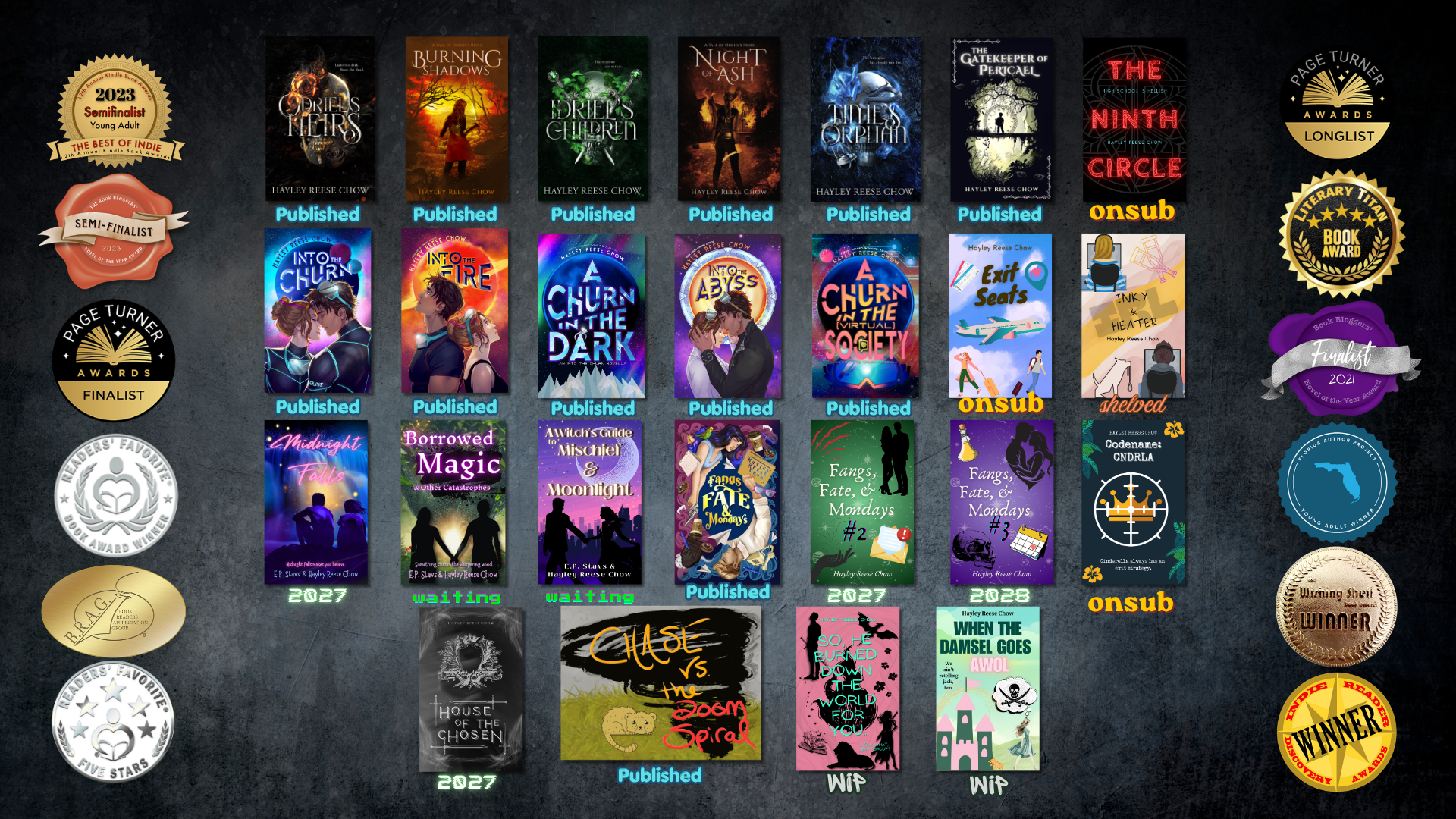
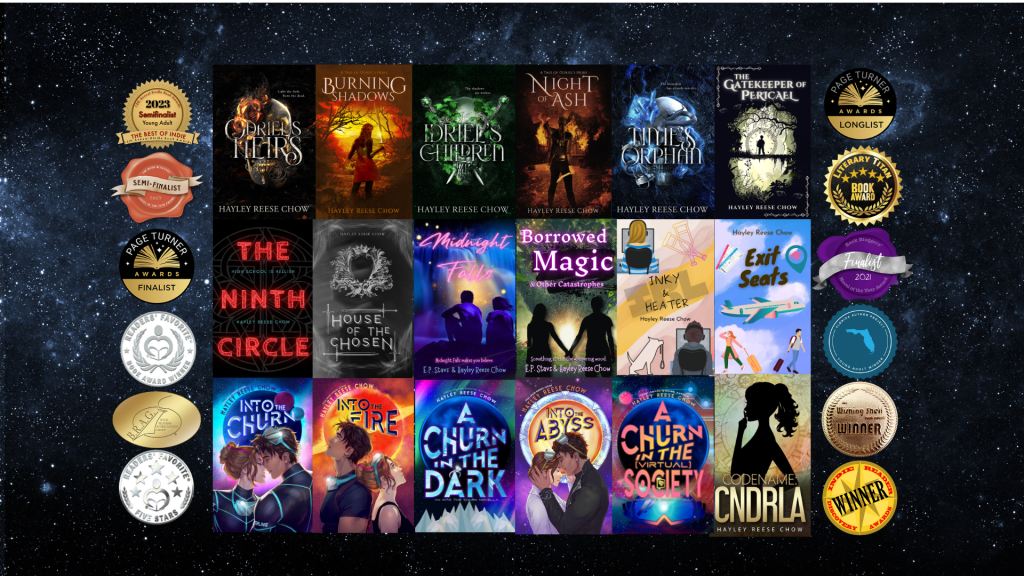
As of this writing, I currently have ten books published.

The 5-book Odriel’s Heirs series is complete. Reading order: Odriel’s Heirs, Burning Shadows, Idriel’s Children, Night of Ash, Time’s Orphan. And honestly, I’m actively trying to step away from further investment in this series in the way of time or promotion. (It’s hard because I do love them so much, but I’m trying to look forward.) They’re all free to read somewhere, and Odriel’s Heirs pretty consistently lives in the top twenty of Amazon’s Free Teen & Young Adult Dark Fantasy ebooks and Teen & Young Adult Epic Fantasy ebooks. It’s downloaded regularly and has over Amazon 200 ratings with a 4.5 star average, so I’m pretty happy with that.

The Gatekeeper of Pericael remains as my only upper-middle-grade adventure, and again, I’m trying to actively step away from further investment. Also permafree, it still gets downloads on a weekly basis, and some reviews trickle in. An agent once told me, “You’ve written a beautiful book, but I have no idea how to market it,” and I completely agree with her. I love the creepy little monsterific book, but its target audience is strong middle grade readers who are looking for a good scare in their fantasy… which is a hard group to reach. As someone who was a horror-loving middle-schooler myself, I do absolutely love it though when it finds its way into the hands of the right reader. *So satisfying.* Strangely this “middle-school boy fantasy” is the only one I’ve sold out of at book signings, so that’s pretty cool too.

The 5-book Into the Churn series is also on the verge of completion. Reading order: Into the Churn, Into the Fire, A Churn in the Dark, Into the Abyss, A Churn in the (Virtual) Society. That last one now available for preorder and will release on September 16th. Since this is still a very new completed series, it’s currently the one I’m marketing most, and with Amazon ratings creeping up (184 now) I finally feel like it’s finding its audience. Overall, I’m super proud of this series, I can’t wait to hold that 5th book in my hands, and see what readers think of our last adventure in the Casolla system.

So where are we going here? Well, this year, my coauthor (E.P. Stavs) and signed a 2-book deal with Charlesbridge Publishing for Midnight Falls, our YA Paranormal Mystery (think of it as Gilmore Gils + Spirited Away + Addams Family.) But that won’t be coming out until Fall of 2027. Erin and I have two more Paranormal Adventures in that same universe—Borrowed Magic & Other Catastrophes (complete and with our agent) and A Witch’s Guide to Mischief and Moonlight (hoping to complete the first draft in June)—that we’re hoping to package together into a magical tourism series, but we’ll see how it goes.

But what about a 2026 release?! Well… I may have a little secret up my sleeve. It’s a little too early to say for sure, but I’m thinking my other Paranormal Mystery (think Veronica Mars + Bride + The Office) maybe be launching into the world in September 2026. The first draft is complete, but I’m still working on the first revision before I send it off to the powers that be. If all goes well, the official announcement will go out in October, and that will be part of a trilogy slated for 2026, 2027, & 2028 release. Fingers crossed!

But what about all of these other books you talk about? Indeed, dear reader, indeed. The traditional publishing pipeline is a long one with many ups and downs. My contemporary YA romcom, Inky & Heater IRL (think You Got Mail + Falling Into Your Smile), is technically on sub, along with my creepy YA Paranormal, The Ninth Circle (Stranger Things + Supernatural + Buffy), but we’ll be pivoting our energies to focus on my other WIPs ready to launch into the sub trenches.

Most notably, Codename: CNDRLA (Ever After + Mission Impossible) is the newest penguin to jump off the iceberg into the unpredictable waters of submission, and my agent (Kristen Terrette) and I are super excited for it!

Exit Seats (When Harry Met Sally + Fangirl) is next in line. And then I also have a *dark* NA Fantasy, House of the Chosen, (Gideon the Ninth + Phantasma) that I’m hoping to send my agent at the end of the summer.

And that’s basically the long and short of it. To sum up:
10 books published
1 book scheduled for September 2025 release
1 book planned for a September 2026 release
2 books planned for 2027 release
2 books planned for a 2028 release
3 books on sub
1 book with agent
2 books on route to my agent this summer

So where is my energy concentrated right now?
– Promoting the Into the Churn series
– Bagging that September 2026 contract
– Crossing my fingers SUPER hard for Codename: CNDRLA (like SUPER hard. It’s seriously one of my favorite book children)

Anyways, thanks for coming on the journey with me! And if you want to make sure you hear about my releases, remember to sign up for my newsletter or follow me on Amazon for notifications when I have another book published!

If you’re looking for ways to support me and enjoyed my books, ratings & reviews help a ton.

Thanks for reading!

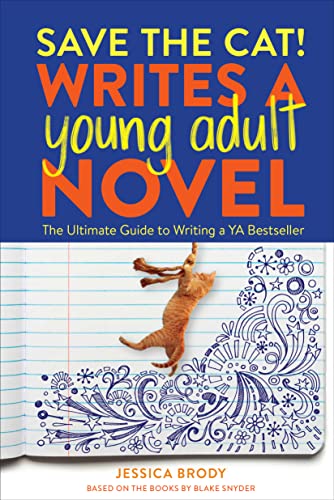
Book Review – Save the Cat Writes a Young Adult Novel


Save the Cat writes a novel completely changed my writing process for the better. So I decided it was time for a reread and I wanted to get a hard copy instead of an ebook, so I figured I’d pick up the YA version (since I write almost exclusively YA.) While I still find the plotting and the beatsheets to be incredibly helpful, I preferred the non-YA version. (It just felt more universal with sharper examples.) But I was glad I reread it to brush up on plotting tools, archetypes, and devices.

Since it’s a craft book, no star rating for this one.

All for saving the cat, but not super into the YA version.

Thanks for reading!
Giving back to the writing community

So, this year marks a new chapter for me as an author. Though still battling imposter syndrome (as I think most authors do to some extent), I’m making a conscious effort to give back to the writing community this year.

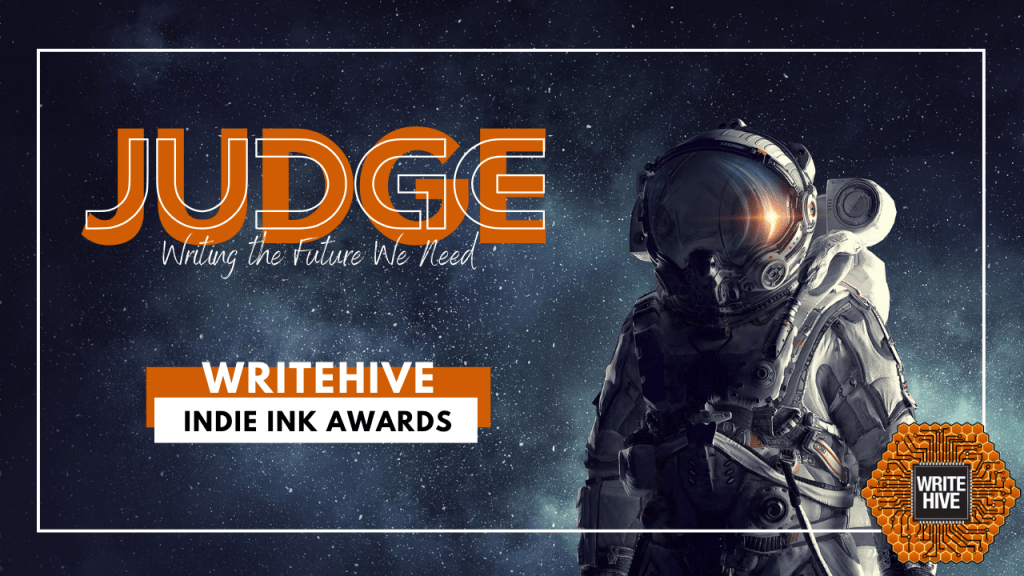
As such, I’m officially a judge for the WriteHive Indie Ink Awards! As a judge, I’ll be reading six books in the next six months, scoring them in a rubric and rating them in the categories they were nominated. Out of the nominees, I’ve actually already selected the six I intend to read and downloaded my first read. Best Audio Narration & Best Light Read are the two categories I’m feeling in this season of life, so that’s where I’ll be hanging out.

But personally, I’m a big fan of book awards as a way to distinguish and lift up authors (indie authors especially) and I’m so excited to be a part of it.

But that’s not all!

This year, I’m also a 2025 WriteHive Mentor! This is an extra special opportunity for me since I was actually a 2023 WriteHive Mentee with EJ Dawson as my mentor, and I learned so much! I was so excited to pay it forward, and even more excited to pick Erin Scheuer as my mentee. I absolutely fell in love with her rock star/celebrity romance Love Songs and Other Lies, (which reads JUST like a K-drama, you all—squeee!!!), and we clicked instantly on our first call.

She’s entering into the revision phase, and I’m so excited to see her take her manuscript to the next level. Everyone is absolutely going to love her sweet, complicated characters, and I’m so excited for the world to meet them! Check out the mock cover and moodboard I put together for her!

It was also super interesting to be on the other side of the submission/rejection process, and I learned quite a lot. (Separate post coming on that soon!)

All in all, this has been such a positive experience so far, and I’m so glad I was able to take the leap to jump into these opportunities! I’ll be posting the books I review for Indie Ink awards here just like any other book, but when the results come out I’ll definitely post an update on the winners! And of course, if anything exciting happens with Erin’s Love Songs & Other Lies, I’ll be sure to post about that too, because I’m pulling hard for it!

Thanks so much for reading!

Writing Craft Book Reviews & Nuggets


Every so often, I try to dive into writing craft books to learn and hone my skills. Here’s a few I read this year and the nuggets of wisdom I gleaned from them. If you’re looking for a star rating, I’ve decided against giving star ratings for craft books because, to be honest, I don’t enjoy reading them, but I do it for the learning opportunity. However, I did rank them from 1-7 here!

Story Genius (#2)

I actually bought this book several years ago, but just finished it today. I took a few solid nuggets away about character and motivation, however there’s a lot of how-to writing process detail in here that wasn’t quite what I was looking for.

However, if you’re a writer just starting out and looking for a breakdown of the story crafting process, this might be the right book for you!

Big Takeaway: The reader has to connect with the main character. If not, you’ve already lost them. (This book did bring an epiphany for me a few years ago, shifting my perspective from plot-driven to character-driven.)

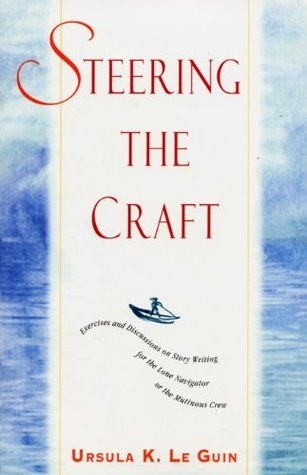
Steering the Craft (#4)

I’m reading writing craft books this weekend, and as this one was recommended by quite a few internet strangers, I grabbed it from the library. This is definitely different from the other craft books I read in that it really is (and the author says this upfront) a workbook with exercises and examples like you would do in a workshop.

She even has recommendations for how many writers work best in working through the exercises in a peer writer’s group, how often to meet, etc. And not only does she have detailed exercises to drive home the different elements and tools of writing but examples from classic literature as well.

Overall, it was a quick, interesting read with a few insights that resonated with me, but I would most recommend this for those looking for exercises to work through in a peer writing group, especially when refining their writing at the line level.

Big Takeways: Write for you, be intentional with punctuation, listen for your rhythm, and beware the grammar bullies.

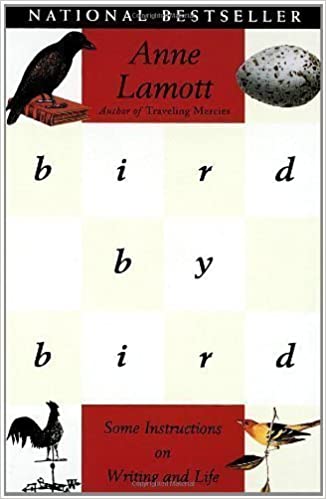
Bird by Bird (#6)

This is another one I started a long time ago, but only finished quite recently. This, I feel like is less a guideline on writing and more a philosophical take on it.

My Big Takeways: Write one step at a time, write for you, and if you something strikes you in an emotional way, write it down.

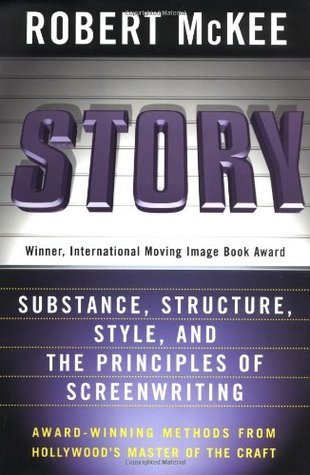
Story: Substance, Structure, Style, and the Principles of Screenwriting (#5)

This one is a little tough to review since I got the audiobook and I found the narration somewhat off-puting. I do like how this book approached story from a very broad level and then broke down the elements of story into extremely fine detail from beats to character to setting with examples from well-known movies.

Takeaway from this one: The best stories are multilayered and universal, and if every beat doesn’t serve the story, cut it.

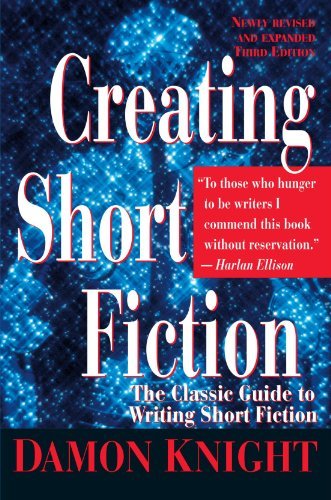
Creating Short Fiction (#1)

A little dated in some respects, but I actually really liked some of the exercises here, especially when it comes to mining your experience to put things that really matter to you in your writing. The interplay between the unconscious and conscious mind was also interesting. Also, his thoughts on a “story-writing computer” were also amusing considering the present world we now live in.

Big Takeaway: As a microfiction writer, I also found his delineation between a sketch, an incident, an anecdote, and a story to be interesting. (The story involves emotional involvement and impediment.) And his thoughts on contrast also resonated. (That even grim stories must have viscerally light moments and vice versa)

Of the craft books I’ve read in the last two weeks, I think this is the one I would most recommend so far.

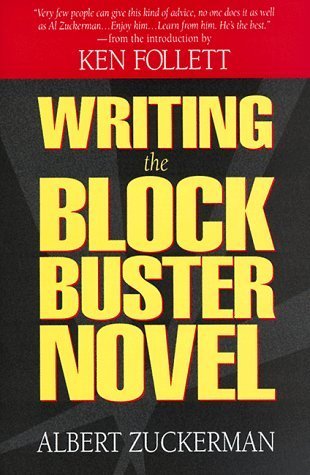
Writing the Blockbuster Novel (#7)

Of the six writing craft books I’ve read in the last few weeks, I think this one might be my least favorite. It mostly relies on the in-depth analysis of a few stories, and while I enjoyed the big points, overall I felt it was a bit of a dry read.

Big Takeaway: Blockbuster books rely on high stakes, powerful characters, dramatic scenes, intense excitement, “sexy” settings, 3-4+ point-of-view characters, intense emotional ties between the characters, and a radical premise.

Romancing the Beat: Story Structure for Romance Novels (#3)

This craft book was concise with a light sense of humor that made it super easy to read. While I don’t think this beat structure is universal for the romance genre, I do think it is a solid starting point, and there were some good insights here.

Takeaways: Romances are about two characters who each have some flawed misconception about love that is healed through a relationship journey that foundationally changes what they think about love. They most often progress in a 2 steps forward, one step back kind of dance and the dark moment will be related to their flawed romance-perspective.

As a writer, it’s important for me to read craft books so I can grow and learn… but I’m officially craft-booked out for 2024.

Thanks for reading!

Should I write a stand-alone book or a series? Pros and Cons.

Okay, obviously this is a very personal decision, but this is a question I’ve wrestled with several times since I started publishing in 2020, and my opinion has changed over the years! So I figured I would write what I wished I had known when I started putting books out into the world.

So you’ve written a book! Congrats! Now how do you decide if you should write a sequel or leave it as a stand-alone? When I wrote my first book, Odriel’s Heirs, I had the series more or less planned out in my mind. I remember telling my husband if even *one stranger* liked it, I would write the sequel. This… is a low bar. But at the time, as a brand-new self-published author, I had exactly zero confidence anyone would read it.

Fast-forward to when I wrote Idriel’s Children, my second novel, and I thought I had made a mistake. While I had been at peace with publishing Odriel’s Heirs after attempting to query the book, it felt like a let-down to not be able to query agents with it.

Adding to that, I quickly realized that the audience for a *true* sequel (dependent on the events of book one) is extremely small, because you’re essentially only marketing it to the readers that enjoyed the first book. Therefore, if you look up nearly any series on Amazon, book 2 will have MUCH fewer reviews than book 1, and book 3 will have even less!

Now, luckily for me, each novel in the Odriel’s Heirs series has a different main character, takes place after a generation gap, and can stand alone, so I didn’t have to grapple with that particular problem. But just the very idea of it floored me.

Secondly, if the second book bombs, it would be very difficult to get readers to pick up book three. So there’s a lot of risk in writing all the books up front before you publish and see the reaction.

It was with all these thoughts swirling around my head that I decided that after I completed the Odriel’s Heirs series, I would never again self-publish a sequel.

It was that thinking that led me to leave The Gatekeeper of Pericael as a stand-alone and not pursue a sequel which would not have stood alone. (Along with the fact that I found a creepy MG fantasy incredibly difficult to market.)

Okay, well let’s fast-forward again to now when I’m marketing a completed YA Fantasy series (which feels incredibly satisfying, by the way.) And… I realize two things very quickly. Whereas previously I was thinking that I *can’t* market books #1.5, #2, #2.5, and #3… now I’m thinking I don’t have to. Because when I market book 1, there are many readers that will go ahead and pick up the whole series! Then, there are other readers, who will immediately buy the next book after finishing the previous one.

Which is to say, basically in marketing only book one, in reality, I’m marketing *5* books. This means, suddenly, my BookBub promos are actually turning a profit. And did I mention that people love series? The more time they spend in a world, the more invested they become in it, and the more likely they are to shout it out the rest of their reading friends. Plus, every time another book is released, it only reinvigorates interest and sales in book one, which of course means, more readers! Also, there’s a whole other section of readers who won’t pick up a series until it’s officially complete, which opens up even more possibilities after all the books are released.

If a stand-alone is a *really good stand-alone* that just means you’re leaving people wanting more.

Which is all to say, I get the series train now. Disney, I understand.

That said, I still prefer for each entry to end on a satisfying note. (I’m anti-cliffhangers.) So that, in case it bombs, or due to marketing reasons, it doesn’t make sense to finish the series, the fans of the books aren’t left dangling and unfulfilled.

And despite my general lack of knowledge, I don’t regret how my publishing journey has progressed. I’m SO glad I completed the Odriel’s Heirs trilogy. From a marketing standpoint, it was the right thing to do, and I wanted to prove to myself I could to it.

However, it was also the right move not to pursue the Gatekeeper series. As a self-published author, I wasn’t able to reach an upper MG audience effectively through social media (my primary mode of marketing.) The book stands alone well, and it allowed me to focus my brand on Young Adult books.

Similarly, Into the Churn started out as a stand-alone, and when sales struggled at first, the publisher and I weren’t sure if we move forward with a series. However, the second book reinvigorated both interest and sales in a way that allowed us to greenlight the full trilogy! Now that I’ve seen the 5 for 1 BOGO (buy one get one free) marketing deal with my Odriel’s Heirs series, I’m excited to be able to market the completed Into the Churn series in a similar manner.

That said, that was a lot of stream-of-consciousness. So for those who just want the straight pros and cons, here’s the TL;DR version:

Pros of a Series
– In marketing one book, you’re actually marketing the entire series
– It gives the readers more time to get invested in the world and characters
– Each release reinvigorates sales of book one
– Some readers greatly prefer series and some readers only buy complete series
– Because you’re marketing the same series over the course of years, it’s more like to gain momentum and attention

Cons of a Series
– The sequels, themselves, won’t attract new readers, so the sequel will always have less reviews than book one
– If you self-published book one, you can’t query a sequel
– You cannot enter sequels into awards contests unless they can stand alone
– If book one is hard to sell or market for any reason, selling book two will only be harder
– It takes more time/investment to write a series

Anyways, that’s just my two cents from where I stand right now—a small press author on submission, always planning trilogies but making sure each book has a satisfying ending. I’m also going to throw in the reminder that if you *do* love a series, make sure you shout it out and recommend it to your friends, because series *do* get canceled or postponed in the middle sometimes due to lack of sales, reviews, or perceived interest. So if you love a book, be sure to support it with your ratings and reviews!

Thanks for reading, and if you have any questions, just let me know!