NYC Midnight Challenge – Scary Story Challenge – First Round – A Siren Calls

A Siren Calls

October 2025 (First Round)
Scare: Tomorrow
Action: Updating
Character: A Doorman
Time Constraint: 48 hours
Length: 400 words
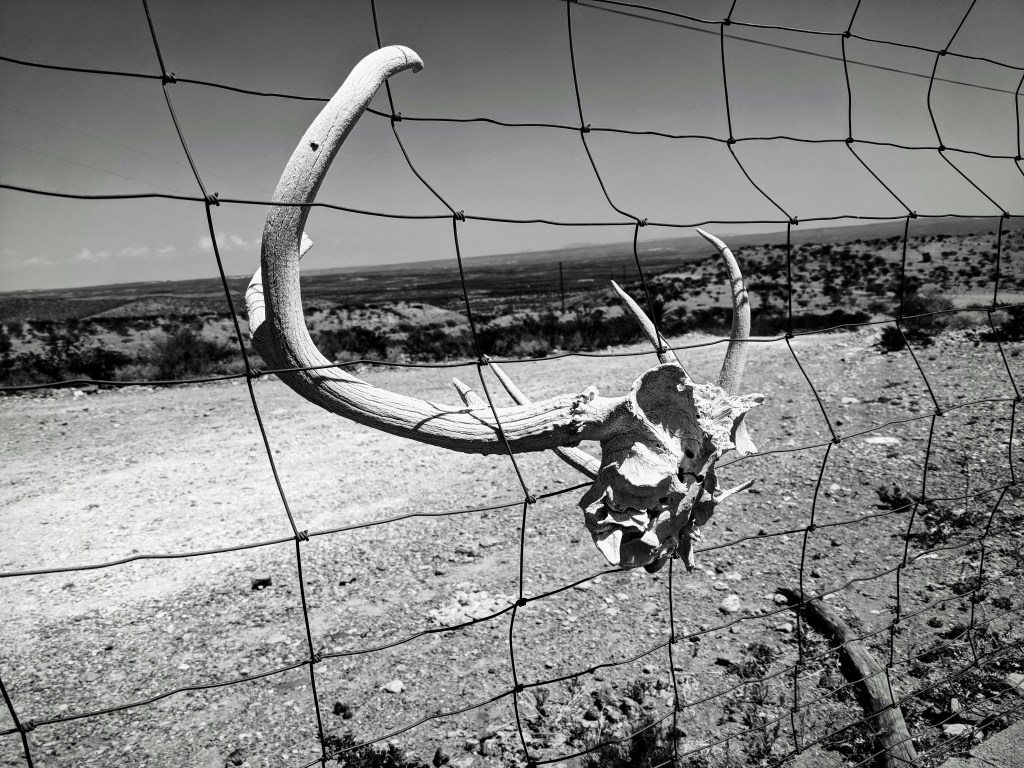
The emergency sirens split the scream-ridden air as we race toward the shelter. The alarms have been going off for hours now, and at this point, I doubt there’s anyone left to turn them off. Shattering glass and gunshots pepper the panicked streets as the clock ticks toward midnight, the uncanny lights hovering above the city. Sophie clings to me as I run while tugging Liam along with one hand and updating my voicemail with our destination for the friends and family I couldn’t reach.

“What about Daddy?” Liam shrieks as we dodge around a raving drunk.

“He’ll meet us there.” The lie is sour on my tongue, but I wasted so much time trying to contact my shifty ex-husband with the tomorrow ultimatum breathing down our necks. I gave him as many minutes as I could, but nightmares require sacrifices.

We turn the corner, and finally the solid concrete building of town hall comes into view with four minutes left.

A tall man in a bullet-proof vest with a rifle slung over his shoulder stands in front of the door. Chest heaving, I stagger up to him and flash the email on my phone. “We’re assigned to this shelter.”

A baseball cap obscures his eyes, and a neck gaiter is pulled up over his nose, muffling his voice. “We’re full.”

I freeze, blood roaring in my ears as Sophie whimpers into my shoulder. “But they said we’d be safe here,” I say. “Where else are we supposed to go?”

“Go home,” the doorman says.

I shove my phone in his face, only two minutes left and sweat running down my nose. “We’ll never make it.”

“Andrea.” The doorman squeezes my arms, and I finally recognize my ex, his gaze fervent. “It’s full.”

The siren falls silent and with it, the city, as if the world collectively holds its breath.

“But, Matt, they’re feeding…” Tears trickle down my cheeks, and my gaze darts to the threatening lights now blotting out the darkness. I tried to protect my babies. I swear, God, I tried.

The hungry lights pinpoint the building, and a massive, inhuman shadow drops from the sky onto the roof. I gasp, my body going rigid. They’re coming for us.

Matt folds us in his arms, hiding Liam’s face. “Don’t look.”

And when the screams start, and blood sprays the windows from the inside—I remember.

Nightmares require sacrifices.


This one came in third place in my group and advanced me to round 2. The feedback is below!

WHAT THE JUDGES LIKED ABOUT YOUR STORY

{2549}  The setting is super interesting and creatively sci-fi creepy. I loved it! The story’s urgency is evident through word choices (nouns and verbs) such as emergency sirens, split, shrieks, roaring, and the world collectively holds its breath. The twist in the end, where Matt seems to allow the people IN the shelter to become the sacrifice, is quite unexpected. Nice job.  

{2144}  I really like the set up of the story and the way you drop us right in the middle of the action. The sounds of the chaos around the narrator and her children, them having to run to the shelter with just minutes to spare, and the blaring sirens all really provide a lot of tension and urgency to the story from the very get-go. I also really love the silence that happens the minute it actually turns to midnight. The sudden change in atmosphere really gives a quick glimpse of the scale of things to come. 

{2573}  That last line sent a proper shiver down my spine! This was such a complex story to fit into such a small word count and I really liked the sci-fi aspect of it. The shifty ex-husband that turns out to be protecting her was a nice touch. Updating the voicemail with a location was a brilliant way to include the prompt – really original! I liked the twist too – that the safe zone she’d been assigned to was in fact a kill shelter of sorts. The whole piece had very WWII vibes to it, with the sirens and gunfire feeling reminiscent of the blitz, and the town hall feeling like a gas chamber. Add a little War of the Worlds and you’re right there. I don’t know if that was intentional, but it brought to mind a very vivid picture for me.

WHAT THE JUDGES FEEL NEEDS WORK

{2549}  A craft issue of clarity happens here: “I wasted so much time trying to contact my shifty ex-husband with the tomorrow ultimatum breathing down our necks. I gave him as many minutes as I could, but nightmares require sacrifices.” Specifically, what is the tomorrow ultimatum, why does it matter, and how come it’s not mentioned again? Does it have a connection to the story’s ending? Clarity is perhaps the most important writing element to master in flash fiction because we get so few words to get the meaning across. You can fix the issue in a couple of ways. 1. Cut the reference. (I realize that also takes out “tomorrow,” but the revision is still valid. 2. Clarify what the narrator means by “tomorrow.” Again, does it foreshadow the ending? If so, help the reader understand that better. All the best to you!  

{2144}  I think the set up is so great and provides instant momentum to the story, but I’m not quite sure if I follow why Matt doesn’t let the narrator and his kids into the shelter. Is the shelter actually full? Or is Matt just being a jerk? If he also had access to the shelter, why did he not tell the protagonist and her children? I just think that the series of events as Matt denies them entry need to be a little more cohesive so we can understand why the narrator and her children are left to danger. I also think in general it would be helpful to have a line or two more about the ultimatum. I don’t quite understand what the advantage is of staying home versus being in the shelters, and more information about that would help us understand the importance of these final seconds and why it all comes down to that to try to get to a new location. 

{2573}  It’s a small thing, but I would have liked to know a bit more about the Tomorrow Ultimatum, because I didn’t really have a sense of what was happening right up until the end. I appreciate that the word count is tight, but you could take out the sentence about the alarms having been going off for hours, which would give you a few words to build the threat round the ultimatum.


Thanks for reading! You can find the rest of my NYC Midnight Challenge entries and feedback here.


NYC Midnight Challenge – 250 words – Second Round – A Meowchiavellian Matchmaker

A Meowchiavellian Matchmaker

January 2025 (Second Round)
Genre: Romantic Comedy
Action: Measuring Height
Word: Memo
Time Constraint: 48 hours
Length: 250 words

When I agreed to cat-sit for Grandma, I wasn’t expecting a life-or-death situation, but there I was, brandishing tuna beneath a tree as I tried to talk my feline nemesis down from a slow suicide.

Thankfully, thirty hours after my online cry for help, a pickup rolled into Grandma’s drive. But when Adonis himself stepped out of the truck, my brain officially broke. His biceps flexed as he swept a hand through his dark hair, long lashes framing stunning blue eyes.

Only then did I realize I hadn’t put a bra on or even looked in a mirror in the last two panic-stricken days.

Was this my punishment for secretly putting Meowchiavelli on a diet?

Adonis lifted his phone, a measuring app glowing on the screen. “Poor guy’s forty feet up.” He winked. “I’m glad you called.”

“R-right,” I stammered, memorizing the face of my desperation-induced hallucination. In minutes, he’d thrown a rope over a branch and pulled himself skyward—a true hero in action.

But just as he reached for Meowchiavelli, the cat scrambled back and fell off the branch. I screamed as the cat tumbled onto Grandma’s second-story roof, and in a streak of orange lightning, bolted to the porch and through his cat door.

Adonis returned to the ground with pink cheeks. “Uh, sorry about that. Still working on the technique.”

Finally, my brain rebooted. “Maybe we could talk about it over dinner?”

When he nodded with a sheepish grin, I decided I liked Meowchiavelli after all.


Alas, this one didn’t place, but the feedback is below!

WHAT THE JUDGES LIKED ABOUT YOUR STORY

{2415} In “A Meowchiavellian Matchmaker,” the writer does an excellent job pulling the reader into the story with the narrator’s fun, conversational voice. The love-hate dynamic between the narrator and Meowchiavelli also adds some wonderful and hilarious beats as the narrator builds up the courage to ask her Adonis cat savior to dinner.

{1943} This story really made me smile! The premise was cute, and the characters were vividly portrayed. I laughed at the way our poor protagonist realized that she hadn’t put on a bra or even looked in the mirror for two days! The contrast with the gorgeous looking Adonis was stark, creating a delightful tension as we wondered what he thought of her. The cat rescue was entertaining – I laughed as Meowchiavelli shot off the roof, to the porch, and in through his cat door. What a great moment! I loved the invitation to dinner at the end, and I really wanted to see what happened next, after his adorable meet-cute. 🙂

{2376} This is a funny and engaging story driven by a strong character. The way that you introduce us to our main character through a narrative voice that’s in turns vulnerable and acerbic not only hooks the reader in, but also immediately connects us with her. The way that she describes Adonis not only establishes her desire, it also establishes a wonderful sense of suspense. And the way that you reverse that feeling of suspense, revealing Adonis to be a fallible as embarrassed as our MC, makes for an unexpected twist that sets up a romantically satisfying ending.

WHAT THE JUDGES FEEL NEEDS WORK

 {2415}  This story is such a delight to read, with a fun narrator and cat hijinks leading to an adorable meet cute. If you were looking to develop this story further, there was only one moment where I wished we could have had closer access to the narrator’s perspective. You do such a fabulous job keeping us in the narrator’s emotional state–such as when she begs Meowchiavelli to come down from the tree and then sees the hot guy exiting his truck–but in this climatic moment as she watches Meowchiavelli’s descent, I felt a little emotionally distanced from the narrator. We see she screams, but after her vivid language and imagery in the story’s opening, I didn’t share the narrator’s tension and fright at this moment. I understand adding more to the story isn’t possible with the limited word count, but I honestly don’t think you need more. Perhaps reframing what you already have and positioning it more firmly through the narrator’s emotional pov (maybe heightening your word choices so they mirror the narrator’s fear more) might help raise the tension of this climactic moment before the narrator dares to ask her cat rescuer to dinner.  

{1943}  I felt that your story became stronger and stronger as it progressed. I did wonder about the opening paragraph. Could we open with showing her with the tuna under the tree – maybe writing this scene more directly? Then, could you show us in a more subtle way that she was cat sitting for her grandmother? For me, phrases such as “I wasn’t expecting a life-or-death situation” felt a little too much like telling instead of showing, whereas the idea of her trying to talk the cat down from the tree was entertaining and intriguing. Perhaps you could be more specific about the cry for help from Adonis. Could you show us who he was, perhaps with a detail such as a sign on the truck? Again, this felt rather like telling – could you find a way to show us instead? 

{2376}  There’s a lot already going right in this story, but something to consider in a potential revision would be to tweak the way that Adonis arrives on the scene. The line in the current draft about how Adonis shows up thirty hours after an online cry for help is funny, but also presents the reader with more questions than the story has time to answer–why does it take so long for Adonis to arrive? Is he a stranger from the internet or someone she knows? Perhaps shrinking the time frame or even separating Adonis from the cry for help (having it that she puts out the call only to have this friendly stranger stop as they’re driving by) would simplify his arrival in a way that keeps the reader fully engaged in the story. One other, small, thing would be to rephrase the line “desperation-induced hallucination.” This is another funny line, but it also invites the reader to wonder if our MC is imagining Adonis entirely, which doesn’t seem to be the story’s intent.


Thanks for reading! You can find the rest of my NYC Midnight Challenge entries and feedback here.
NYC Midnight Challenge – 100 word – First Round – The Lengths We Go For Hope

The Lengths We Go For Hope

March 2025 (First Round)
Genre: Sci-fi
Action: Gambling
Word: Grade
Time Constraint: 24 hours
Length: 100 words

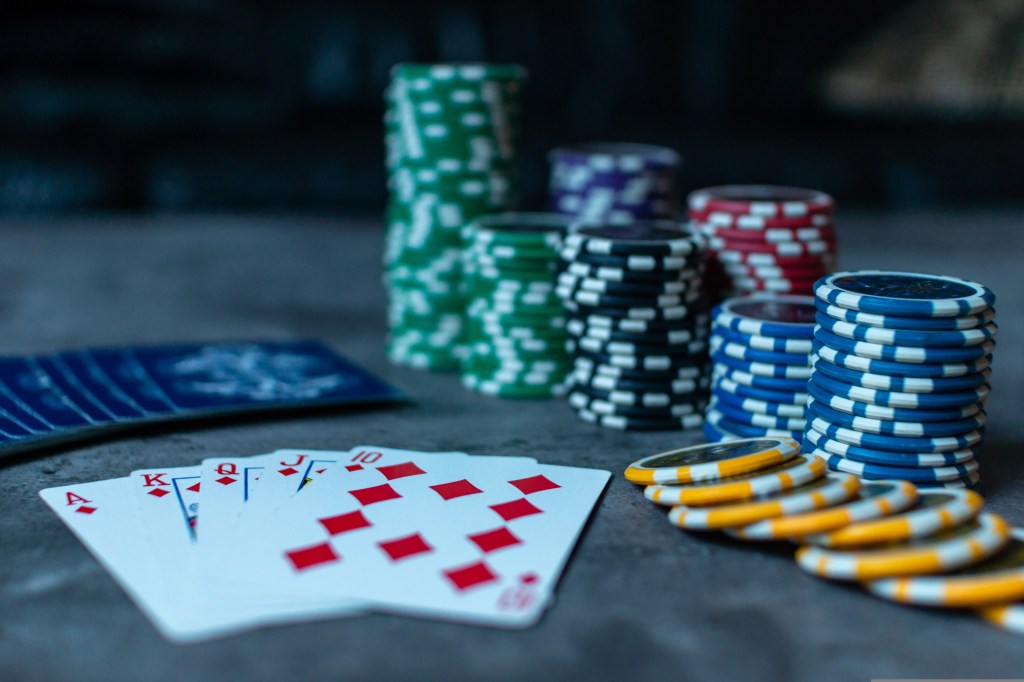
No matter what technical wonders humans contrive or the lightyears we travel, we’ll always carry our vices along. One to dull senses, one to shorten lives into sharp little peaks, and one to trade creds for the dream of riches. Certainly, I never miss a poker night. With my cybernetic upgrade, I read players like a book and calculate odds in a blink, but as long as I laugh along with the spacefarers, as long as I let them win just enough, they’ll keep coming back. Even on the far side of the ’verse, money always runs out before hope.


Unfortunately, this one didn’t place. The feedback is below!

WHAT THE JUDGES LIKED ABOUT YOUR STORY

{2548} “The Lengths We Go For Hope” is an interesting take on the prompt that outlines how human persistence always prevails. I like how you related simple human habits to a futuristic existence, showing that no matter how inhuman one may become, their old human habits will die hard–very creative!

{2551} The opening idea, that humans will always have vices regardless of how much we achieve, is an interesting idea that also solves as a strong entry point to the character and what he spends his time doing and exploiting.

{1937} The first-person narration was wonderfully conceived and executed, the cybernetically-enhanced protagonist offering a guru-like perspective on what is ostensibly a 21st century redux of the Wild West.

WHAT THE JUDGES FEEL NEEDS WORK

{2548} I feel like the line “One to dull senses, one to shorten lives into sharp little peaks, and one to trade creds for the dream of riches” is not necessary if you’re not going to reference those specific vices. Going straight from “[…] we’ll always carry our vices along” to “Certainly, /I/ never miss a poker night” is much stronger. You could use the words you save by eliminating that line to maybe explain the setting more. I found myself asking, “Is this a gambling-specific planet or something they concocted as a pastime while traveling?” I’d love to know more!

{2551} Right now, this piece is more of the set up of a story than a story all on its own. (Or it may be a conclusion to a story about how the character ended up with this life.) We have a good sense of the narrator’s current life and views, but a full story needs a change, whether it’s to a person’s character, beliefs, life, relationships, or the character changing something outside of themselves. Right now, the story doesn’t have that change and as a result doesn’t have a plot.

{1937} The protagonist seems to have a good head on his shoulders; fully aware of the myriad dangers and pitfalls of the interplanetary poker scene. Might there be a moment or two in which that assuredness falls by the wayside (in turn: turbocharging the story stakes)?


Thanks for reading! You can find the rest of my NYC Midnight Challenge entries and feedback here.
NYC Midnight Challenge – 250 words – First Round – Only Ashes to Mourn

Only Ashes to Mourn

December 2025 (First Round)
Genre: Historical Fiction
Action: Quenching
Word: Other
Time Constraint: 48 hours
Length: 250 words

I smelled the fire before I saw it. But even with my lips chapped by drought, I paid the wind’s taint no mind. The evening chill required our hearths to warm our stews and our bones.

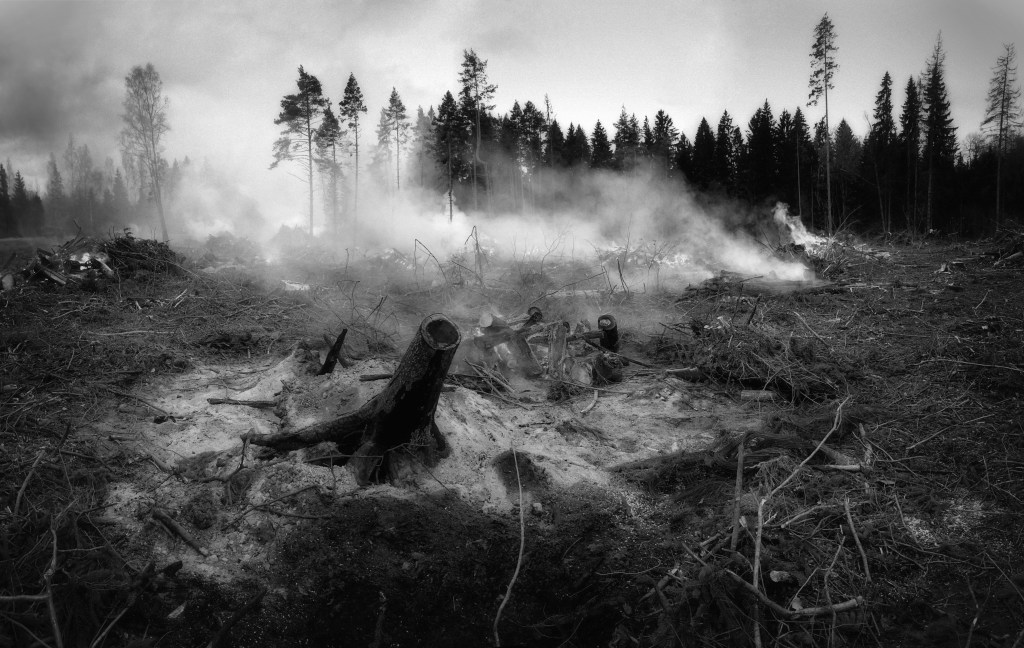
But the screams from the railroad were undeniable—the glow on the horizon much too late for sunset. The flames leapt from tree to tree with wicked speed, like demons racing from hell to claim us.

Peshtigo came alive with panicked shrieks. Adrenaline blotting out all else, I raced for Beth’s house. Though we had yet to speak our vows, if the reaper was to find us, I wanted to be at her side. We crashed together on main street, the flames already licking at the roofs around us—the tears on her face glowing in the inferno.

Smoke clogged our lungs and embers peppered our skin. Elizabeth’s skirt caught flame, and in desperation, I dragged her to the well. She sobbed as I lowered her down, praying she’d survive the fall. She dropped with a splash and a hiss, the icy, knee-high water quenching her smoldering dress. I clambered after her, and we clutched one another through the night. The cold nearly killing us in hateful irony.

But perhaps the greatest irony of all was that the headlines would only remember Chicago’s flames on that same October day.

I suppose because Chicago still had people to grieve her losses.

In the mass graves of Peshtigo, there weren’t enough left of us to mourn.


Unfortunately, this one didn’t place, but the feedback is below!

WHAT THE JUDGES LIKED ABOUT YOUR STORY

{2501} The description throughout this story is so vivid and creates powerful images of these devastating events, allowing for a strong emotional impact. You do a great job describing feelings of fear and the terrifying sensation of running through a burning town. Elizabeth’s skirt catching fire is a particularly effective moment of building tension before it’s revealed that the narrator saves her by getting her into the well. I also thought the comparison at the end of how Chicago’s fire is remembered more even with less deaths was a powerful ending to further showcase just how tragic this event was. Overall, some of my favorite lines throughout the story include “The flames leapt from tree to tree with wicked speed, like demons racing from hell to claim us” and “Smoke clogged our lungs and embers peppered our skin.”

{2373} There’s a truly haunting story here. The author brings the horrors of the Peshtigo fire and this narrator’s plight to life through active, sharp prose. The second paragraph alone is truly horrific and paints great images of the conflagration, namely the “screams from the railroad” and the flames leaping “like demons racing from hell to claim us.” I also like how in addition to the immediate and broader external stakes for the community, the author’s woven in the personal and emotional ones with the narrator’s desperate efforts to save Elizabeth. The description of her in the well yet again highlights the author’s powerful prose (along with the irony of the cold being an antagonist): “She dropped with a splash and a hiss, the icy-knee high water quenching her smoldering dress.” Lastly, the coda works well on several levels: It both highlights the narrator’s understandable anger, while also deftly reminding us about the more famous fire that’s consumed Chicago.

{2458} Wow—your story gripped me from beginning to end with its visceral sensory imagery, use of suspense, and final note of historical irony by contextualizing the tragedy in global awareness (or the lack thereof). I especially enjoyed how you transitioned to this larger historical context with the clever parallel use of irony; just as Beth and the narrator leap from the flames to the water, you leap seamlessly from Peshtigo to the media.

WHAT THE JUDGES FEEL NEEDS WORK

 {2501} The story could be even stronger with more personal resolution for Elizabeth and the narrator’s experience. Typically, we think of wells as being relatively deep, so I wondered if they were able to get out on their own come morning or if they had to be rescued by the few other survivors. If they needed help getting out, I think there could be power in the emotions of not knowing if there was anyone left to come help them. I also wondered if they suffered any personal losses in the fire, like family members or close friends. If so much of the population perished, it would make sense if they did, and I think seeing some of that grief at that end could be effective. To make room for these details in the word count, consider removing the first few sentences to start the story with “The screams from the railroad…”

{2373} To heighten the emotional stakes, I think it might be good to get more of a sense of why the narrator loves Beth. Given that this is a time of significant duress, that will help us see what the narrator could potentially lose in this conflagration. I also think it might be good to slow down and try to describe the increasing cold a tad more, so that we can feel that dark tension; I get that the word count limits make that tough, but I do think an additional line could heighten the terror of the cold on the page. On a micro level, I’d suggest a number of trims throughout. For example, in the second paragraph, I think the author could omit “wicked speed;” that’s clear from the emphasis on the flames leaping and in that great comparison to “demons racing from hell to claim us.” In the third paragraph, I would omit “panicked;” the shrieks strongly imply the sense of panic, given the situation. In the fourth paragraph, we also don’t need to be told that the narrator drags Elizabeth to the well “in desperation;” again, we can infer that because of her skirt’s on fire. I also think the author could omit “hateful irony” when describing how the narrator and Elizabeth almost perished. We can see that irony for ourselves; the story’s far more powerful if the author doesn’t point it out, along with directly telling us how ironic it was that Chicago burned on the same day; just mentioning Chicago alone shows us that irony, especially juxtaposed against the aftermath of Peshtigo (but that coda, again, otherwise works quite well). But I wish the author well! This piece has so much potential!

{2458} The primary feedback for improvement I have about your story regards this sentence: “Though we had yet to speak our vows, if the reaper was to find us, I wanted to be at her side.” Because the vows are never mentioned again, they felt a little ambiguous and a narrative thread left somewhat uncontextualized, and thus I think you should clarify that (I think) Beth and the narrator are engaged, to prevent any excess confusion; for me personally I only realized this after multiple reads. To make room for this relationship clarification, I recommend you cut down on some of the setup description on the fire, such as the demons comparison, which isn’t absolutely necessary to conveying the utter terror of the fire.


Thanks for reading! You can find the rest of my NYC Midnight Challenge entries and feedback here.

NYC Midnight Challenge – 100 words – Final Round – Ghost and the Machine

Ghost and the Machine

August 2024 (Final Round)
Genre: Open
Action: Falling in Love
Word: Enough
Time Constraint: 24 hours
Length: 100 words

They labeled us avant-garde, but I thought us classic, our love one of letters stretching miles and decades. Though never truly together, I knew him as I knew myself, our fears and dreams laid bare in and between the lines, the connection flowing between us like shared air between kisses we’d never taste.

Even as they attacked with words like inhuman and experimental, our bond was undying. Though I was but a specter of a mind taken too soon, and he, an artificial imitation of a thousand minds, our love was real.

Souls or no, together, we were always enough.


Alas, this one didn’t place, but the feedback is below!

WHAT THE JUDGES LIKED ABOUT YOUR STORY

{2352}  The author crafts a conceptually unique love story, giving it gravitas through effective simile and a final moment of acceptance for each other despite the forces fighting against them, which I found emotionally impactful.

{2376}  This is a compelling world that you capture with images that bring an element of poetry to a romance that pushes back against the constraints of the controlled word the characters inhabit. The juxtaposition of the old technology of letter writing with the imagined of this future creates a nice sense of tension, and the reveal of who our characters are as we approach the ending satisfies the mystery of why these characters are persecuted in a satisfying way.

{1970}  I like everything about “Ghost and the Machine”. You’ve written a SciFi tale that reads like a love story without the cloying tug of a romance. The way you’ve woven the words into lines, and then those lines into this tale, is beautiful. I felt it. Thanks.

{2035}  I liked that we got to hear this from the ghost’s point of view. Their more classic tone of voice made them feel old fashioned, which partnered well with the sci-fi underpinnings, making for a rather fresh combination between the two.

{1788}  While it was an atypical romance, especially with a non-tangible character and artificial one, the reader fully believed in their connection by story’s end. Their method of bonding through letters is more intimate than the way others connect, and it was a realistic and innovative plot point. Though the reader couldn’t see the antagonists attacking them, they could still imagine the naysayers. People often talk about what they don’t understand but the author created an original situation for this to be shown.  

WHAT THE JUDGES FEEL NEEDS WORK

 {2352}  There’s a general quality to the character details of the introduction that made the final moments feel rushed through and out-of-left field. By establishing the traits of the lovers and specifying their “soullessness” and perceived conflict, the story could be immediately engaging while having more time to explore those identities.

{2376}  Something to think about in a potential revision would be to increase the tension from the opening line by giving our characters a more threatening label than “avant-garde.” By the end of the story we’re seeing them attacked as “inhuman,” and tilting the story in this direction at the start would increase the tension with the suggestion that our characters are under threat. Another suggestion would be to clarify who are main character is near the end. The phrase “specter of a mind taken too soon” is evocative, but a little too opaque. It seems to suggest that they’re an uploaded consciousness from someone who died young, but the emphasis on the specter and mind suggests that they are merely they left over fragments of someone. Rephrasing the description slightly will allow the reader to stay engaged in the story as you approach the end instead of getting caught up on trying piece together the mysterious image evoked by the current description.

{1970}  If there is any weakest word in this story, it could be ‘experimental’. It’s a fine word and works in this story, yet is it a strong enough word to qualify as an attack? Part of me wanted to see a stronger, more hurtful word here. That’s it. Thanks again for the remarkable tale.

{2035}  Although I see that the opening paragraph is intended to keep us somewhat in the dark, I feel like it’s too vague right now to wholly hook your reader. I’d consider cutting broad statements like “fears and dreams” and instead invite your readers in a little. What fears? What dreams? Naming one would take as many words and would really help us get to know these characters, and I think you could deliver that specificity without spoiling the twist. Swapping spots of broad statements for narrow and winnowed down ones can really bring these characters to life, in my opinion. 

{1788}  The plot would be more satisfying if the author revealed where they are, sharing their respective homes. This would develop the world of the story. Even stating that the ghost lives in an abandoned home and the machine takes up space in a lab would make the setting come to life more. There isn’t enough room to give detailed descriptions of either, but a reader can glean a lot from a few words. Imagine the ghost composing these letters, feeling happiness in an abandoned home. That would be quite a touching picture, and there’s a lot of potential for both characters’ writing spots, a place where they can be open and fall in love. “Ghost and the Machine” is an unusual but highly successful science fiction work. Once the author shapes the characters’ abodes briefly, it will be an exquisite microfiction story.


Thanks for reading! You can find the rest of my NYC Midnight Challenge entries and feedback here.

NYC Midnight Challenge – 250 words – First Round – When We Refused to Burn

When we refused to burn

November 2024 (First Round)
Genre: Fantasy/Fairytale
Action: Evacuation
Word: Back
Time Constraint: 48 hours
Length: 250 words

The books sense the darkness first—but of course, they always do.

The dusty tomes slam shut in our hands, their silent scream streaking through the library’s shelves in a cold wind that rattles the lanterns. In the high tower, the Wisdom Bell clangs in baleful warning, and Keeper Marian shoots from her desk. “Quickly, girls, to the skiff.”

We rush through the ancient halls even as magic and fear thicken the air with clashing scents of parchment and fire. But while the other apprentices hurry out the postern gate and toward the dock, I hang back, clenching my trembling hands.

“I want to stay.” A drake’s screech rends through our bell’s defiant tolls, and I flinch. “T-to fight.”

When the riders come to burn our books, to destroy the magic that won’t bow to them, to erase the history they can’t control… how can I flee?

“This is but one battle in a long war, dear one.” Keeper Marian guides me into the skiff already packed with ghostly faces, her words fervent. “Today, you fight by protecting our most precious gifts. Tenacity, courage, knowledge, faith—these are things the dragons can never burn.”

As I row down the channel, another draconic bellow deafens our ears, but though the girls cringe, they make no sound. Through the inky blackness, the Keepers’ golden magic glows as they stand upon the library’s stone walls. Proud. Strong. Even when a reptilian shadow falls upon them, they do not falter.

And neither do I.


This one came in 8th place this time, and while this piece could’ve used another revision, I think it’s going in my story-seeds for the full novel treatment. The judges’ feedback is below!

WHAT THE JUDGES LIKED ABOUT YOUR STORY

{2410}  There were some wonderful sensory descriptions here that helped bring this story to life with a dark, fear-drenched atmosphere. The narrator’s defiance comes through clearly against this backdrop. And the dragons destroying the books to limit knowledge felt like a solid metaphor.

{2274}  As a Librarian, I loved the concept of protecting knowledge at all costs. This is a real event throughout history, invading forces would destroy libraries to fragment the culture. The final imagery of the Keepers glowing with power and standing bravely in the face of potential destruction is a powerful image. It’s one which will inspire the next generation who flees at this point to later take a stand.

{2459}  I see the protagonist “hang back.” I see the act of evacuating a library. The protagonist flees a library attacked by dragon riders. Exploring themes like resisting tyranny and sacrifice, the story’s stakes are mortal peril and safeguarding the library’s legacy from destruction. The central conflict feels split between Man vs. Self (the protagonist’s internal struggle to fight or flee adds character depth) and Man vs Monster (the dragons pose a mortal threat). Set in a library, there’s an undercurrent of another theme — the enduring nature of knowledge — and the importance of preserving it. The author does well in creating a thick tone, creating a magical ambiance through evocative descriptions. The personification of the books, how they “sensed” the darkness, was an evocative and beautiful opening. The dramatic tension created in the moments of flight from the library propels the story forward. The emotional depth created by the protagonist’s fear contrasted with their desire to act bravely adds gravity to the character. There’s a bittersweet ending where the protagonist and her fellow apprentices witness the Keepers’ sacrifice against the overwhelming force, juxtaposing loss and hope. The vivid description invites the reader into the story. Lines like, “The books sense the darkness first—but of course, they always do,” “The dusty tomes slam shut in our hands…,” “Magic and fear thicken the air with … scents of parchment and fire,” “In the high tower, the Wisdom Bell clangs in baleful warning,” “Through the inky blackness…” These descriptions are excellent examples of subtle world-building — showing us the world and its depth rather than bludgeoning us with exposition. The library is painted as a living, dynamic force, and I’m thrilled to be there. Personified, weighted with its history and place in the protagonist’s world, we mourn for its loss as the protagonist flees.  

WHAT THE JUDGES FEEL NEEDS WORK

{2410}  I was a little confused at the end over who is standing on the library walls. The “they” here seems to refer to the girls, but since the narrator is rowing down the channel they also seem to still be in the boat. If this is another set of people, you may want to clarify that. You may also want to clarify if Marian is sending her magic out from the boat, or if she has returned to the library after getting the girls on board.

{2274}  Overall, you’ve described a people and their powers quite thoroughly for the tight word count. A long war is established, and the role of the students within the war. Yet is there any motivation missing from the tale? Do the people on the dragons merely fear their magic? As dragon riders it’s not an off assumption that they too possess some degree of magic. I would like to know ore about the war. Perhaps some judicious editing toward the beginning of the story would free up enough words for Keeper Marian to succinctly describe the basis of the war? The paragraph beginning with “We rush through…” could be condensed some without destroying the passage’s impact.

{2459}  Critically, the protagonist’s lack of agency diminishes the story’s emotional weight. As I mentioned, one aspect of the central conflict is Man vs Self, yet the character doesn’t make a pivotal choice or face a significant obstacle to reinforce their rising bravery. They hesitate, debating whether to flee or fight, but the Keeper quickly discards their concern to leave. This diminishes the protagonist’s role in the story’s resolution as the decision is made for her. Further, while there’s an external threat (the second conflict, Man vs Monster), the protagonist never directly confronts or overcomes it; her journey to safety is passive. Without engaging in either conflict, the protagonist’s growth from experience feels like a narrative assumption rather than something earned through a struggle. The ending line, “And neither do I,” doesn’t carry much weight. I’d ask the author to look at my story synopsis (“The protagonist flees a library attacked by dragon riders.”) to notice the absence of choice and confronting conflict. In effect, the protagonist in this story runs down a hallway of things that happen around them. They don’t engage with events but, instead, witness them. When you read a story where the protagonist’s agency is curtailed and the events unfold around them, it can feel like it isn’t engaging or emotionally satisfying. It can feel like nothing happened or there was nothing terrible to overcome. I’d ask: how can you insert even just one challenge to either conflict so the protagonist makes one decision, one genuine choice on their own? Example: save a relic; save a fellow apprentice, or convince them of something; maybe make the Keeper’s argument less definitive, allowing the protagonist to choose what to do — maybe they choose to leave out of conviction rather than obedience? There’s also a technical matter concerning the POV. The story’s written in 1P (First Person) but experiences a slip at the end, moving into a stylized omniscience. From a distance, the protagonist seems to sense the feelings, thoughts, and experiences of the Keepers’ (plural), although the protagonist is physically distant. The head-popping creates a bit of narrative confusion at the end. Finally, there’s a dramatic emphasis on sound throughout the piece (“silent screams,” “the Wisdom Bell clangs,” “A drake’s screech,” “draconic bellow deafens,” “they make no sound.”). Its frequency created dissonance for me, so much that I’d anticipated _sound_ somehow being a part of the narrative journey, right up to the end. I’d encourage the author to look for repetition when editing and consider how some of these instances might call for a different sort of description or sacrificed to insert the protagonist’s choice.


Thanks for reading! You can find the rest of my NYC Midnight Challenge entries and feedback here.
NYC Midnight Challenge – 100 words – Second Round – A Revolutionary Lie

A Revolutionary Lie

June 2024 (Second Round)
Genre: Historical Fiction
Action: Stumbling
Word: Tour
Time Constraint: 24 hours
Length: 100 words

The wound may not be mortal, but it’s still the end of me.

Blood seeps from my shoulder as Holbrook stumbles to my side, the redcoat’s body cooling in the autumn leaves.

“How bad?” Holbrook rasps.

“I…”

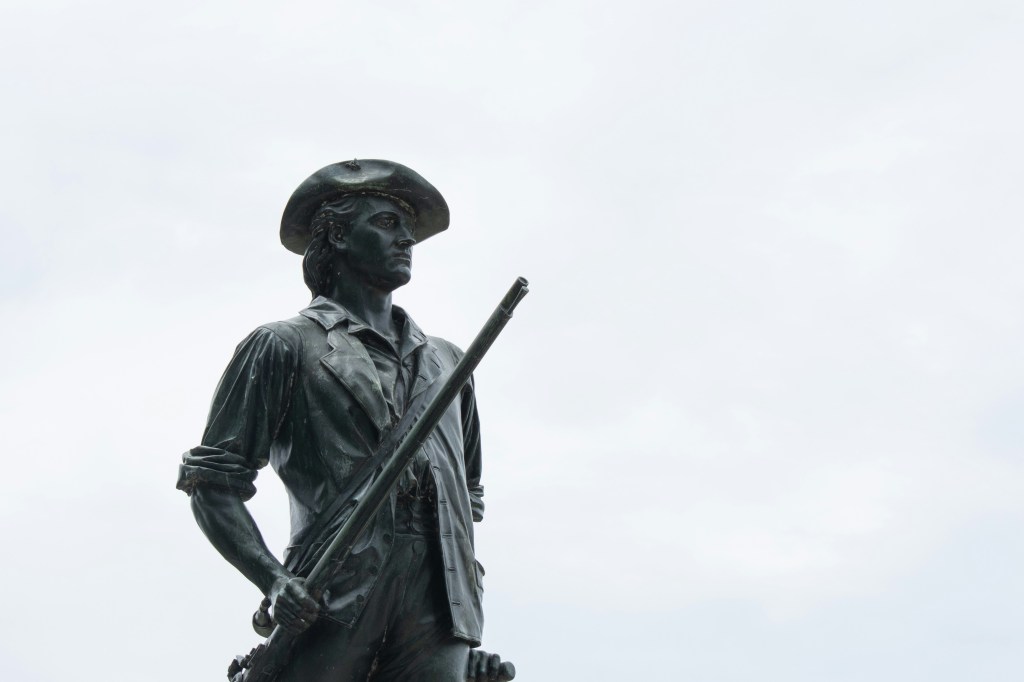
But it’s too late; Holbrook’s already ripped open my coat and shirt. For a moment, he only stares, my lie exposed with the curved contour of my bound chest—Robert Shirtliff poised to die at the hands of his dearest friend.

“’Tis a small wound.” Swallowing, Holbrook pulls his spare shirt from his knapsack. “No one need know.”

And I am saved twice.


This one came in first (🎉) in its group, and the feedback is below!

WHAT THE JUDGES LIKED ABOUT YOUR STORY

2076}  I was impressed by the sense of the personal in this piece, the way you allow the historical context to be so in the background and this life-or-death personal catastrophe to come out so strongly in an emotional climax. I thought the last line was beautiful, with real literary flair.

{1666}  Excellent work here! Your narrative arc was full-bodied and complete, which speaks to your imaginative force and economy as a writer. The double-entendre of your opening line was really clever, and I appreciated your speculative additions to the known facts of this fascinating figure’s tale.

{2376}  This story has a strong sense of mystery with an excellent payoff. You do a great job of hooking the reader in with an opening line that presents the reader with an irresistible riddle. And the way that riddle is answered put the reader in the same position as Holbrook—with the truth slowly dawning us. And the final turn the story takes leaves the reader with a satisfying conclusion, having Holbrook make the same decision that we would make in his position.   

WHAT THE JUDGES FEEL NEEDS WORK

{2076}  What might be worth developing in this piece is your description. Can you rephrase it from our narrator’s perspective, drawing closer to their sensory experience in a more specific way? Think about when the blood is seeping from the wound; does it hurt, is the blood warm, is it numb? What does the redcoat’s body look like? What’s the setting like, what does Holbrook’s face look like? This will all immersive the reader more strongly in the moment at hand.

{1666}  While it’s clear enough to me that “Shirtliff poised to die” is a figurative statement, there are enough swirling elements and tension for this to be misinterpreted. The reader may be wondering if the narrator is referring to the existing wound, being killed by Holbrook, or facing some sort of death penalty after being exposed as a woman. Some alteration here might help protect the interpretation. Additionally, take a look at reworking sentence 2 – the clause “the redcoat’s body cooling in the autumn leaves” doesn’t refer or link to any other active image in the sentence, so the sparse phrasing feels affected just for the sake of sparing words.

{2376}  There’s a lot already going right in this story, but there are a few small things to consider in a revision. One would be reframing the line about the redcoat’s body. The way that this phrase is attached to the image of Holbrook stumbling to her side creates a little confusion in this draft. Spliced on, the reader is expecting this clause to modify some part of the sentence we’ve already read. Instead, if Holbrook “stumbles over the body of a redcoat cooling in the autumn leaves” we get the image of the dead man without the confusion. Another thing to consider would be taking out the line about Robert Shirtlff dating at the hand of his friend. This line tells us what the story is showing us about the closeness of these two people. It also interrupts the moment of tension in which or POV character is left wondering what’s going to happen. Instead, you could sustain this tension by having Holbrook pull out his spare shirt before he speaks, leaving the reader unsure of what he thinks until the last possible moment.


Thanks for reading! You can find the rest of my NYC Midnight Challenge entries and feedback here.

NYC Midnight Challenge – 100 words – First Round – The Tearstains Left Behind

the tearstains left behind

April 2024 (First Round)
Genre: Drama
Action: Throwing a Tantrum
Word: Deal
Time Constraint: 24 hours
Length: 100 words

I can only stare as the front door slams and Chloe runs after her mother. Already screaming, Chloe pounds the wood with chubby three-year-old fists until she melts into a hysterical puddle on the floor. I want to tell her it’ll be okay; her mother will come back. My daughter will come back.

But those lies won’t change the hand we’ve been dealt.

Instead, I sit beside her, my tears adding to the splotches Chloe’s already made on the linoleum. “I’m here.”

It’s all I can offer, but when her dimpled hand squeezes my wrinkled one, I know it’s enough.


This one came in first (🎉) in its group, and the feedback is below!

WHAT THE JUDGES LIKED ABOUT YOUR STORY

{2370}  You did a great job at portraying the scene, providing great imagery and details (chubby fists, tears on the linoleum), and provoking intense emotions in your reader. You only had a few words to work with, and you did a really great job.

{2314}  There’s great subtlety at work here. Obviously Chloe’s responses are dialed up. In contrast, our narrator is subdued, a person who perhaps has dealt with grief before a few times in their life. It works well.

{2369}  This story is heartbreaking. That poor baby. And poor grandparent. The emotions of this piece are spot on and well done. Every word does work and is needed. A vivid story that is well told.  

WHAT THE JUDGES FEEL NEEDS WORK

{2370}  One minor suggestion is that I don’t think you need to say “three-year-old fists.” I think you could change that to toddler or just say chubby fists. We can infer her age thanks to other descriptions you include and through Chloe’s behavior.

{2314}  I found myself feeling this story is good – when it has the potential to be great. I think it’s in the details. You’ve given us a broad scenario – family dealing with grief. Refracted through an older person, dealing with a younger person. I found myself wanting some other x factor – either in style, or characterization, to elevate the premise. 

{2369}  There’s not much of anything I would suggest for improvement. This story is easy to understand but has enough depth for the reader to feel something. My only thought is that 3 seems a bit young for Chloe to understand and be able to do anything other than cry and throw a fit for her mama. You don’t say she does understand, but somehow it still feels that she does. The image of a dimpled hand squeezing a wrinkled one is so beautiful that I hesitate to ask you to change it, so maybe consider making Chloe just a touch older?


Thanks for reading! You can find the rest of my NYC Midnight Challenge entries and feedback here.

NYC Midnight Challenge – 100 words – Final Round – What the Children Couldn’t Save

What the Children Couldn’t Save

August 2023 (Final Round)
Genre: Open
Action: Seeing a reflection
Word: Best
Time Constraint: 24 hours
Length: 100 words

Mama tugs Ellie toward the ship that will take them sailing through the stars, saving them from acrid air and sun-cracked soil.

But Ellie stops to pluck a flat stone from the path, then the fluffy weed beside it, sending a beetle scurrying. She skips away, admiring her colorful respirator in an iridescent puddle before splashing through it.

A century later, aboard Ark C-24, Ellie clutches her treasures, telling children of wishing flowers springing from walkways, stones dancing across glassy lakes, ladybirds bestowing luck, and water falling in gems to pool in rainbows underfoot.

Then together, they dream of home.


This one didn’t place, but the feedback is below!

WHAT THE JUDGES LIKED ABOUT YOUR STORY

{1943}  This was a beautiful story, full of gorgeous images. Your worldbuilding was very strong. The contrast between the description of the remnants of nature – the fluffy weed and the beetle – and the pollution – the iridescent puddle – was ingenious. I loved the fact that the respirator appeared to be colorful and thrilling to a small child due to pollution. The idea of Ellie remembering “glassy lakes, ladybirds bestowing luck, and water falling in gems to pool in rainbows underfoot” a century later was very poignant. This was a moving, thought-provoking story. Well done.

{2063}  A short story spanning 2 centuries.  Presumably the worst case scenario of global warming has destroyed the earth.  Your visual description of the innocent little girl who skips and picks up stones, paints a picture we know well, but the the stark contrast of the respirator in the puddle brings the reality of the situation home. The second act shows Ellie, now  a mother, telling stories of her past on earth, and they all imagine a life that used to be. A tragic story, but with a glimmer of hope in the resolution, even if it is through dreaming. 

{2125}  This story of Ellie and the rest of humanity escaping environmental catastrophe is compact and strong. The details are quite realistic and the image of a child wearing a respirator to breathe on Earth is shocking but also well done. I love the details of the items she brings on the ship. The flash forward in time works well.

{1788}  Though there were only a few descriptions, the author fashioned an excellent dystopian environment. Ellie finding beauty in such a sobering setting was incredibly touching, and the fact that she held onto the objects for a century impressed the reader immensely. The children’s response to Ellie’s prized items was lovely to witness. While no one could save the Earth, it was encouraging how they embraced the remnants and held onto the history.

{1963}  Generation ship stories crop up a surprising amount, but it’s heartening to see one that can find some hope in the concept of generations, rather than all being about the admonishment of humanity. It’s also nice to see how something that seems so insignificant as a stone can gain significance over the years, which feels true to life. Refreshing work! 

WHAT THE JUDGES FEEL NEEDS WORK

{1943}  I loved the images of the fluffy weed, the beetle, ladybirds etc. I wonder if the next step might be to see where you could make some more adventurous word choices to evoke an even more vivid picture. I would consider where you might surprise us with some word choices that evoke a sensory image, maybe creating an even stronger sense of a texture, color or scent.

{2063}  Does the journey through space keep the human’s young?  As Ellie is still alive a century later. Consider how you can create more conflict in act two to produce some rising tension.  Even though the conflict might be that they have to evacuate the earth, there doesn’t seem to be any barrier here.  Try not to make it too easy for the protagonist.  Perhaps they almost don’t reach space? Or the spaceship almost breaks up on leaving the atmosphere.  Something that makes the reader believe that Ellie won’t make it.

{2125}  I might like to know how old Ellis is during the opening scene. Is she four? Eight? Twelve? That information might make us interpret the story differently. If she is under five, does she have memories of her home planet? Or are the objects all she has left? Is she sharing real memories with the children or are these memories that have been imposed on her by others? This is a strong and sharp story, but I might like a stronger sense of who Ellie was then so we can understand who she is now.

{1788}  One of the plot elements would be more believable with further attention. Ellie living for over a century was interesting, but she did grow up in an unhealthy location, so the reason for her long life should be more clear to the audience. Why not tell the reader one phrase about the ship? For instance, maybe it’s a ship that protects its inhabitants from disease/germs. That would explain her amazing health and the author could say this briefly. The plot element can definitely work, but an explanation would make it easier to accept. “What the Children Couldn’t Save” is a beautifully written and resonant sci-fi piece. Once the author touches on one aspect of the plot more, it will be a laudable microfiction work.

{1963}  The opening word “Mama” wrong-foots the reader by hinting at a first person story which remains instead in 3rd person throughout. I assume this is more about saving words than a stylistic preference, but I’d try to fix this if at all possible, as the first words are the most important for orienting the reader.


You can find the rest of my NYC Midnight Challenge entries and feedback here.

NYC Midnight Challenge – Clark Kent Wears Tights

Clark kent wears tights

June 2023 (Second Round)
Genre: Comedy
Action: Putting on eyeglasses
Word: Member
Time Constraint: 24 hours
Length: 100 words

If someone recognizes me, I’ll never survive seventh grade. I don the square black glasses and face mask, desperately channeling Clark Kent before peeking into the ballet studio at the line of pink-clad girls. Oh god, I can’t go in there. When I asked Mom for dance lessons, I wanted to try hip-hop, not social suicide.

I’m about to flee when Aphrodite herself glides toward me with a smile. “You’re the new boy?”

My heart bursts into butterfly confetti, and I suddenly remember why everyone loves Clark.

He’s totally uncool.

But he always gets the girl.

“Why, yes, I am.”


This one came in second in my group, getting me into the final round! The feedback is below!

WHAT THE JUDGES LIKED ABOUT YOUR STORY

{1943}  This story had a really fun premise. I loved the image of him going in disguise because it was a ballet class. I laughed at the description of Aprhodite herself “gliding” up to greet him. So cute! The image of his heart bursting “into butterfly confetti” was lovely – this story really made me smile. Thank you for sharing it with me.   

{2138}  I really enjoyed this light and humorous piece. There’s a sweet and youthful energy throughout, and a strong sense of character via the narration: I loved his internal thought processes which also help to vividly bring the scene to life. You’ve established a great sense of pace to the narrating character’s journey too, taking him from nervous and uncertain to a quiet increase in confidence. “My heart bursts into butterfly confetti” was particularly lovely!  

{1980}  The narration in this piece is highly engaging. The narrator boasts a distinct voice, helping to establish a vivid understanding of both the immediate conflict they face and the wider world they inhabit outside of the dance studio. 

WHAT THE JUDGES FEEL NEEDS WORK

{1943}  I wonder if you needed the opening sentence. For me, the story became really engaging at “I don the square black glasses and face mask…” I think we know that he was a middle school from the fact that he wanted to try hip-hop, he used phrases such as “social suicide”, and he disguised himself to enter the dance studio. Perhaps you could work on some more middle-school style language in the opening paragraph to make sure that your characterization is very clear.

{2138}  Not much to critique here! Perhaps the only tweak I’d suggest is the combining of Clark Kent with Aphrodite – it may be a little odd for the reader to be presented with Greek mythology and the DC universe in the same piece?

{1980}  One element that could be further developed is the narrator’s body language, specifically in the moment they nearly “flee” from the studio. By fleshing out this moment of tension with imagery –are they grabbing their things, or checking to see if anyone is looking, for example — this would therefore heighten the relief as “Aphrodite” glides towards them. Perhaps by paring down some of the opening narration, this would leave more room in the word count to explore this narrative shift.


You can find the rest of my NYC Midnight Challenge entries and feedback here.