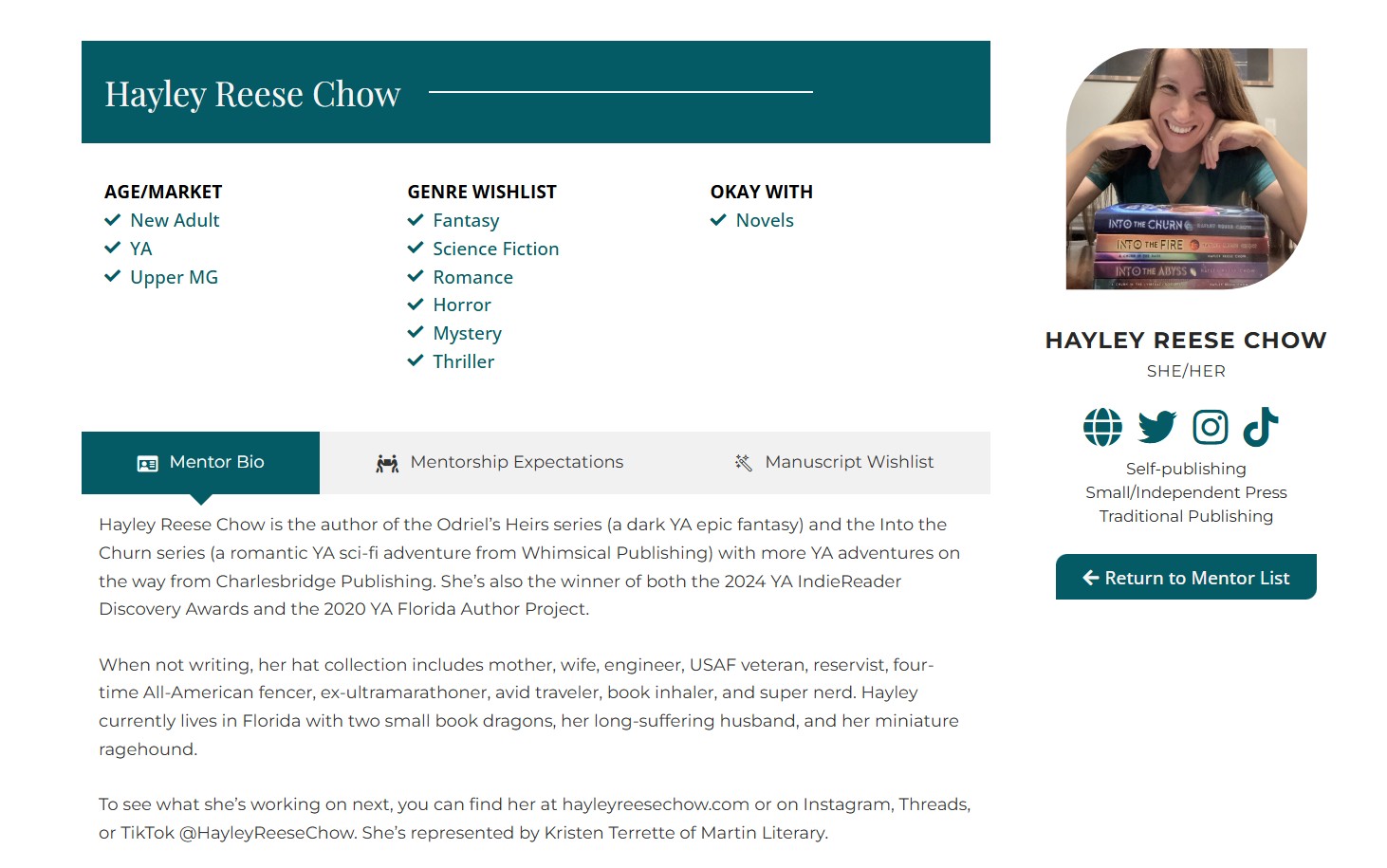
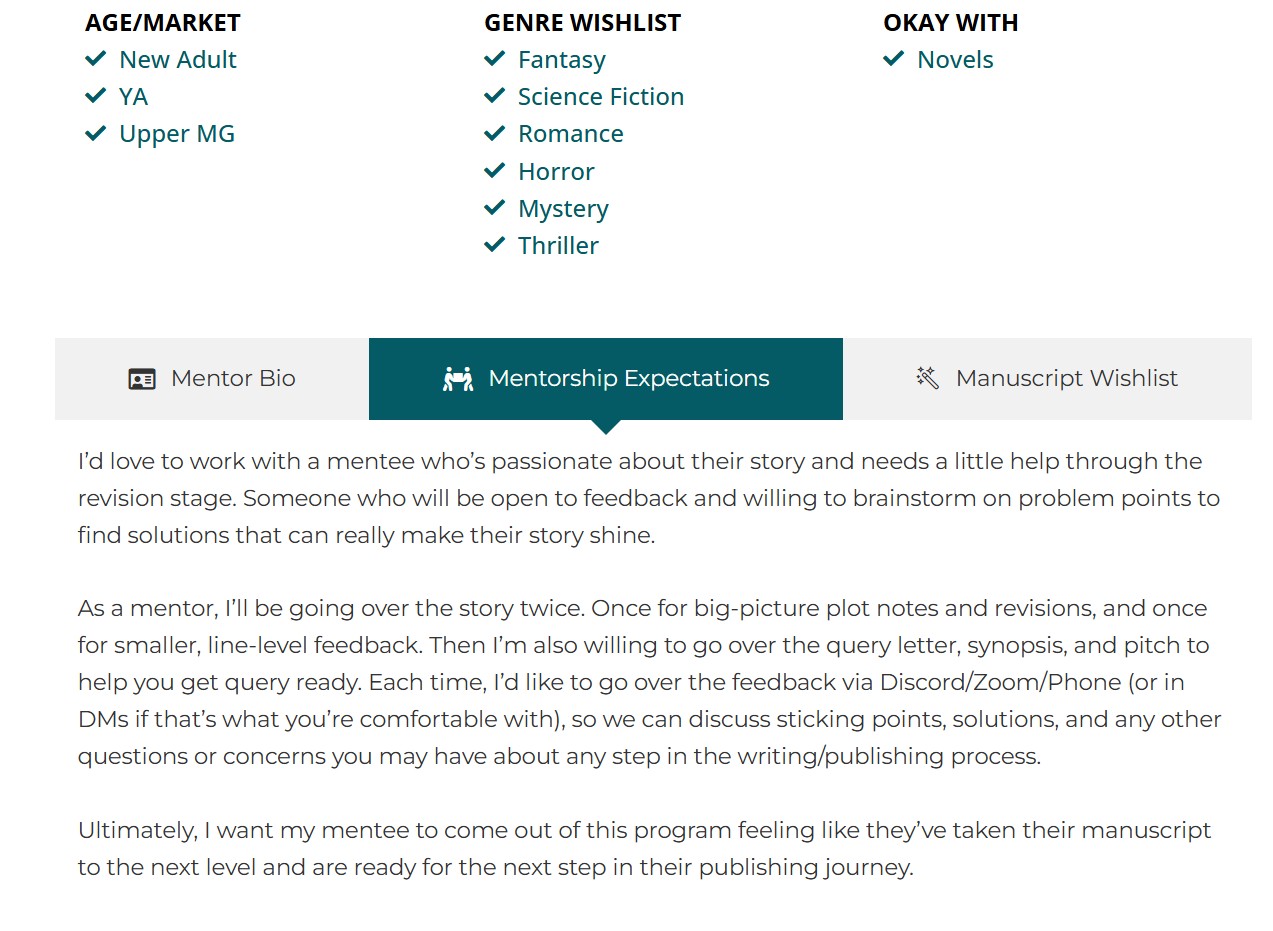
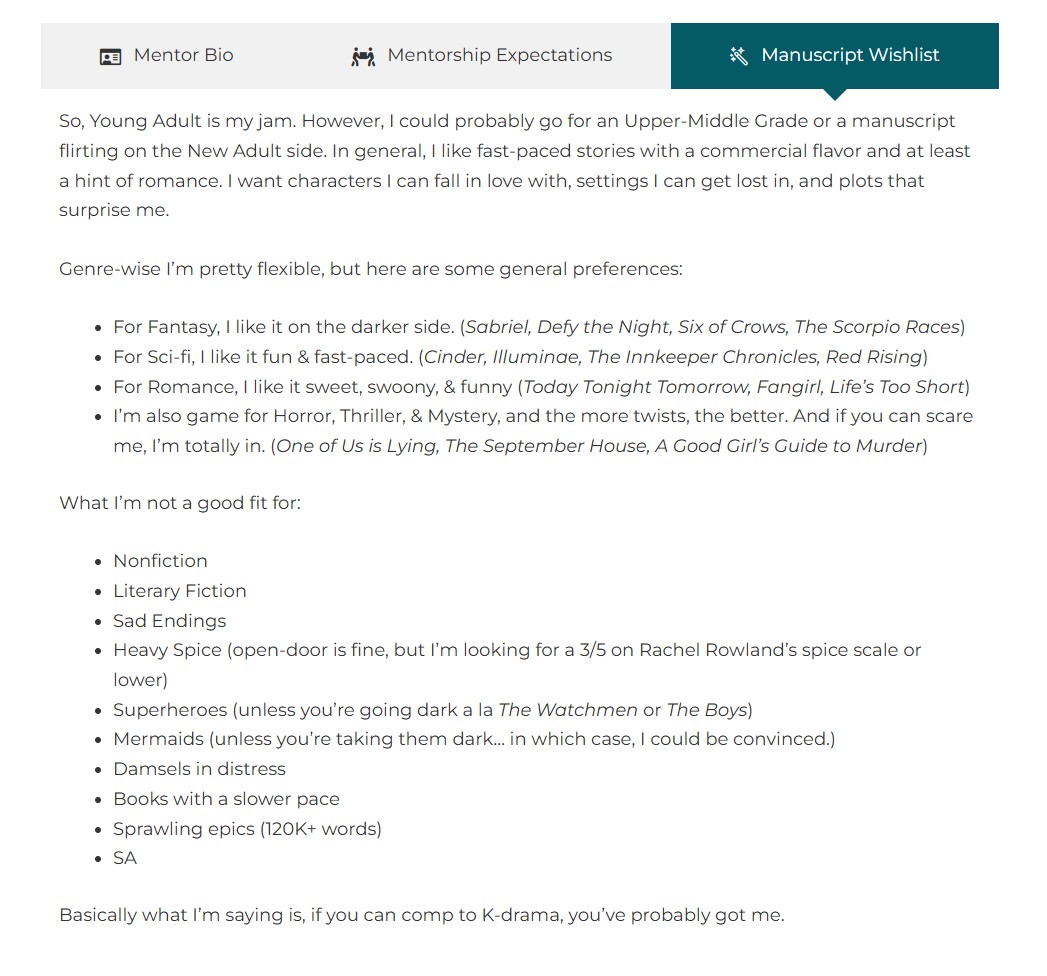
I’m so excited to announce I’ll be returning to the WriteHive Mentorship Program for my second year as a mentor. I had a great experience as a mentee in 2023, and again as a mentor in 2024, so I highly recommend this program to anyone looking for some help in whipping their manuscript into shape! I’ve included my mentor wishlist, profile and expectations below, but I highly recommend you check out all the mentor profiles here.
While you don’t submit to a specific mentor, I found it super helpful last year when applicants listed a few mentors they thought would be a good fit in their query/submission letters.
Also, if you’re curious as to what I’m looking for in submissions, you can find my breakdown of the submissions from last year here.
Last year, I went with Erin Scheuer‘s sweet new adult romantic comedy with YA crossover appeal which had huge K-drama vibes that I absolutely adored. But honestly this year, I’m pretty open when it comes to target audience and genre. There will be a Mentor AMA on WriteHive’s Discord & Bluesky next week if you have more questions, but if you’re on the fence about submitting, I hope you decide to take the leap!
Submissions will be open from Nov 14-16 and I can’t wait to see what comes in. If you’re submitting, good luck, and I’m excited to read your pitch!
This was originally on a page on my website, but since I’ve mostly gotten out of writing flash fiction except for the NYC midnight challenge, I thought I’d move the little stories here instead. This one’s a microfic I wrote for the monthly 100 word story challenge years ago.
Image by Gerd Altmann from Pixabay
The office clown
I squint for a moment, then my eyes widen with recognition. “Susan?” The garish orange clown pockets her juggling balls, her painted smile faltering, but I press on. “From accounting?”
Her shoulders fold in as she looks down her red nose at the ground, looking just like she did when I caught her eating a cheap tv dinner in her cramped corner cube yesterday. But in another beat, she straightens and puffs out her chest, jaw set with defiance before pulling a banana out from behind my ear and cartwheeling away.
Well, tomorrow’s staff meeting is going to be awkward.
This was originally on a page on my website, but since I’ve mostly gotten out of writing flash fiction except for the NYC midnight challenge, I thought I’d move the little stories here instead. This one’s a microfic I wrote for the monthly 100 word story challenge years ago.
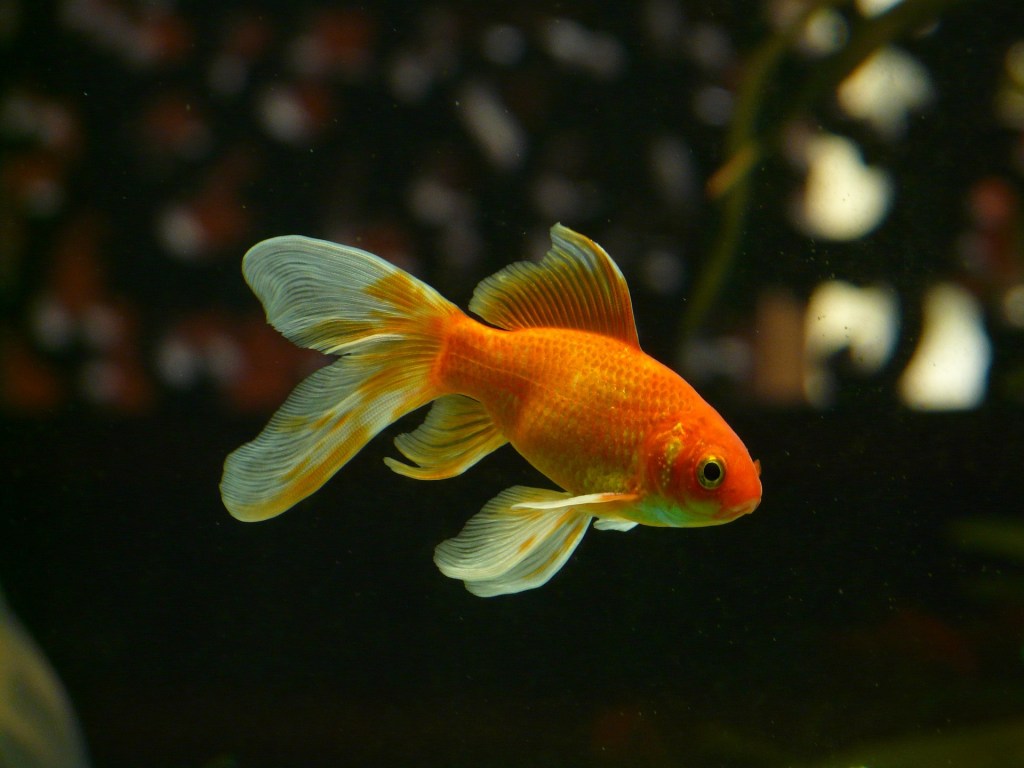
Image by Hans at Pixabay.
GOldie
Jesse never wanted a goldfish. He had asked his mother for a puppy for his birthday, and she had gotten him a hard glass bowl with the floating orange gawker—a thirty cent companion from Walmart.
He blinked at the fish, and it blinked back. And yet, when his brother had knocked it off the table to flop helplessly on the linoleum, Jesse had scooped it up in a panic. Once rescued, it did not purr or wag its tail in thanks.
But that was okay. Apparently, a thing didn’t have to love you for you to love it back.
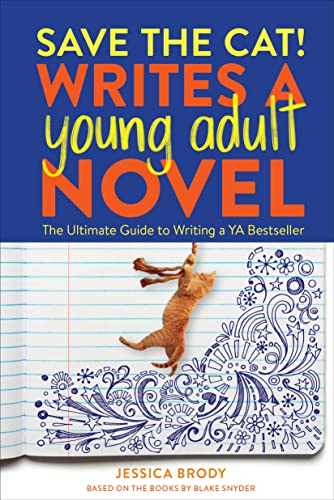
Save the Cat writes a novel completely changed my writing process for the better. So I decided it was time for a reread and I wanted to get a hard copy instead of an ebook, so I figured I’d pick up the YA version (since I write almost exclusively YA.) While I still find the plotting and the beatsheets to be incredibly helpful, I preferred the non-YA version. (It just felt more universal with sharper examples.) But I was glad I reread it to brush up on plotting tools, archetypes, and devices.
Since it’s a craft book, no star rating for this one.
All for saving the cat, but not super into the YA version.
So I became a WriteHive mentor because I wanted to pay forward all the wisdom and experience the writing community had gifted me over the years. And since I’ve done quite a lot of beta reading, critique swaps with partners, and also worked with quite a few editors over the years, I felt pretty comfortable that I’d be able to help someone improve their manuscript.
But what I totally wasn’t expecting was everything I learned during the manuscript selection process. I hadn’t considered that this was the first time I was on the other side of an acceptance/rejection decision. And what it brought it really home for me was that authors had actually requested me as a mentor in their queries!🤯I was so completely flattered and blown away.
In this article, I’m going to break down how I narrowed the submissions to select my mentee, the materials I looked at, and the questions I asked myself along the way. I found this a very enlightening process and thought it might be helpful for others going through the querying or submission trenches. However, please keep in mind, everyone has their own methods for selecting manuscripts for both representation, mentoring, and publication. This was simply the process and realizations I had during mine.
Here’s a quick breakdown of how many submissions came in for 17 mentors:
140 submissions (a 52% increase over 2024 – yay!)
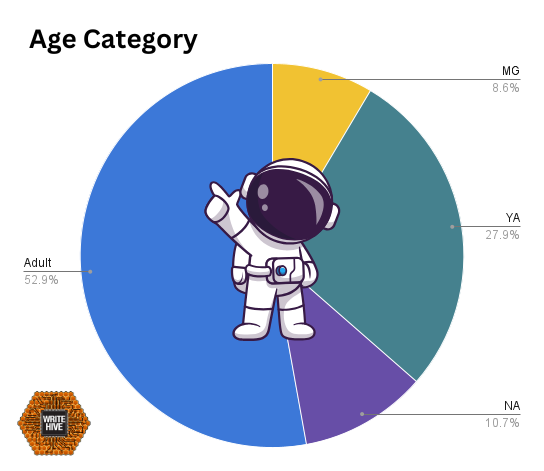
Age demographic submission breakdown:
MG: 12 (8.6%)
YA: 39 (27.9%)
NA: 15 (10.7%)
Adult: 74 (52.8%)
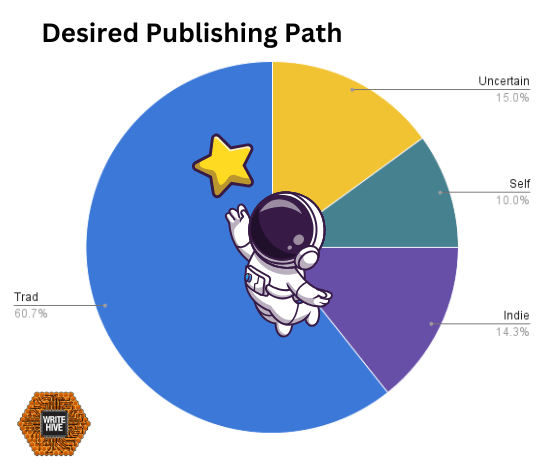
Publishing path submission breakdown:
Unsure about Publishing Path: 21 (15%)
Self Publishing: 14 (10%)
Indie / Small Press: 20 (14.3%)
Traditional: 85 (60.7%)
And genre breakdown:
Fantasy: 51 (36.4%)
Romance: 23 (16.4%)
Romantasy: 23 (16.4%)
Contemporary/Literary/Nonfiction: 17 (12.2%)
Horror/Suspense/Mystery: 16 (11.4%)
Sci-Fi: 10 (7.2%)
Each submission included their bio, the state of their manuscript (where was it in the writing process), pitch, their query letter, a synopsis, and their full manuscript. But how to narrow it down? I really wanted to make sure I picked the mentee who I could help most. A manuscript I could really fall in love with, but also one that I could help in a concrete way.
The first cut
So, even though I had outlined my general preferences in my MSWL (manuscript wishlist), I read the pitch, query, and first page of all 140 submissions, with one question in mind:
Does the premise grab me?
Based on that question alone (which, by the way, had *nothing* to do with the talent of the author or the quality of writing and everything to do with personal preference), I was able to cut my list down from 140 to 26.
That, in itself, blew me away. After all, I’ve received many rejections, and of course, every time, I assumed it was because I wasn’t a good enough author. My writing wasn’t good enough. The story wasn’t good enough.
But here I was, cutting 81% of the submissions with no regard to quality at all. Honestly, I probably could’ve done it based on the pitch alone.
Interesting.
So with that cut, my list was down to: 3/12 Middle Grade: 25% 9/39 Young Adult: 23% 2/15 New Adult: 13% 12/74 Adult: 16% Total Longlist: 26/140
The Second cut
For there, I reviewed the bio, the state of the manuscript, their synopsis, and their query again. From these materials, the mentees included information on if they’d started querying it, which paths – traditional, small press, or self-publishing – they’d consider pursuing, and what they were looking for in a mentorship.
On my second cut, I was asking myself: Is this a mentee I can help? Am I the type of mentor they’re looking for?
Once again, I was not considering the quality of the story or writing at all. I was simply trying to ascertain at this point if we could be a good match based on my strengths and the kind of mentor they were looking for.
In the second cut I went from a longlist of 26 to a longlist of 12.
So at this point, I had cut 91% of the submission without considering quality of writing or story.
The third cut
The third is where I finally read the entirety of the first chapter and then asked myself: Am I drawn to keep reading? This is the first question I’d asked that could have been attributed to writing quality.
The third cut took me from a longlist of 12 to a short list of 7: 2 Young Adult Manuscripts and 5 Adult Manuscripts. From there, I read further into the manuscripts, and once again, this time, looking for the manuscript that I thought would be most suited to my tastes. In the end, I chose the story I had extremely concrete recommendations for, one which was very much suited to my personal taste, and had an author who was searching for knowledge areas I had. And just as an aside, only one of my top 3 choices showed up on another mentor’s top 3. For the most part, all of our top 3 choices were radically different.
So what’s the point?
When it came to publishing, I’d often heard the phrase “right eyes, right time.” Meaning essentially, that there are tons of quality stories out there, but you need to find the right agent/editor that’s the best fit to champion yours at the right time in the market. Which… comes down to a lot of factors outside of your control.
But once again, every time I faced a rejection, it was so easy to take it as a sign that I wasn’t good enough to be an author. Or the story wasn’t good enough to be published. But the truth is, writing, as an artform, is so personal. No one book is for everyone – and that fact is as true before publishing as after it.
So, if you submitted to the WriteHive mentorship, please don’t be discouraged in any way if you weren’t selected as a mentee. It really has no reflection on your ability as a writer or a storyteller, but rather simply, if your story was a good match for the mentors reading submissions this year.
And as I continue to trudge on in the submission trenches, I’m trying to keep the very same lesson in mind. That my stories need to find the right eyes at the right time. Whether that’s next week or next year or in three years really isn’t up to me. All I can do is be patient and keep writing the best stories that I can.
Hopefully, if you’re in the query or submission trenches, this has been helpful in some way and can also help you to find the mindset and perseverence you need on your writing journey.
Rejections are tough. There’s no two ways about it. Just remember to take care of yourself, take lots of breaks, and keep on keeping on. Begin. Grow. Persevere.
So, this year marks a new chapter for me as an author. Though still battling imposter syndrome (as I think most authors do to some extent), I’m making a conscious effort to give back to the writing community this year.
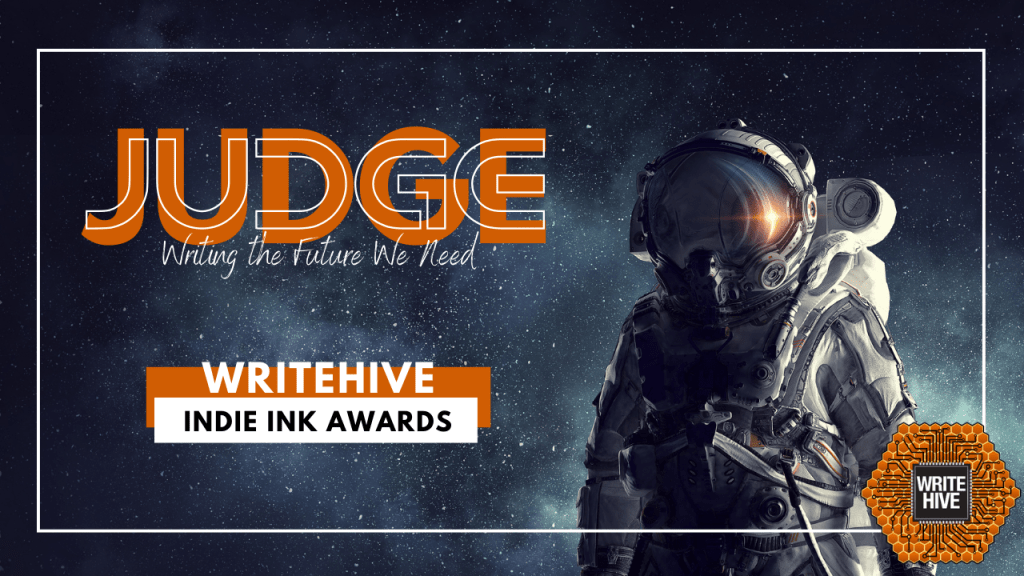
As such, I’m officially a judge for the WriteHive Indie Ink Awards! As a judge, I’ll be reading six books in the next six months, scoring them in a rubric and rating them in the categories they were nominated. Out of the nominees, I’ve actually already selected the six I intend to read and downloaded my first read. Best Audio Narration & Best Light Read are the two categories I’m feeling in this season of life, so that’s where I’ll be hanging out.
But personally, I’m a big fan of book awards as a way to distinguish and lift up authors (indie authors especially) and I’m so excited to be a part of it.
But that’s not all!
This year, I’m also a 2025 WriteHive Mentor! This is an extra special opportunity for me since I was actually a 2023 WriteHive Mentee with EJ Dawson as my mentor, and I learned so much! I was so excited to pay it forward, and even more excited to pick Erin Scheuer as my mentee. I absolutely fell in love with her rock star/celebrity romance Love Songs and Other Lies, (which reads JUST like a K-drama, you all—squeee!!!), and we clicked instantly on our first call.
She’s entering into the revision phase, and I’m so excited to see her take her manuscript to the next level. Everyone is absolutely going to love her sweet, complicated characters, and I’m so excited for the world to meet them! Check out the mock cover and moodboard I put together for her!
It was also super interesting to be on the other side of the submission/rejection process, and I learned quite a lot. (Separate post coming on that soon!)
All in all, this has been such a positive experience so far, and I’m so glad I was able to take the leap to jump into these opportunities! I’ll be posting the books I review for Indie Ink awards here just like any other book, but when the results come out I’ll definitely post an update on the winners! And of course, if anything exciting happens with Erin’s Love Songs & Other Lies, I’ll be sure to post about that too, because I’m pulling hard for it!
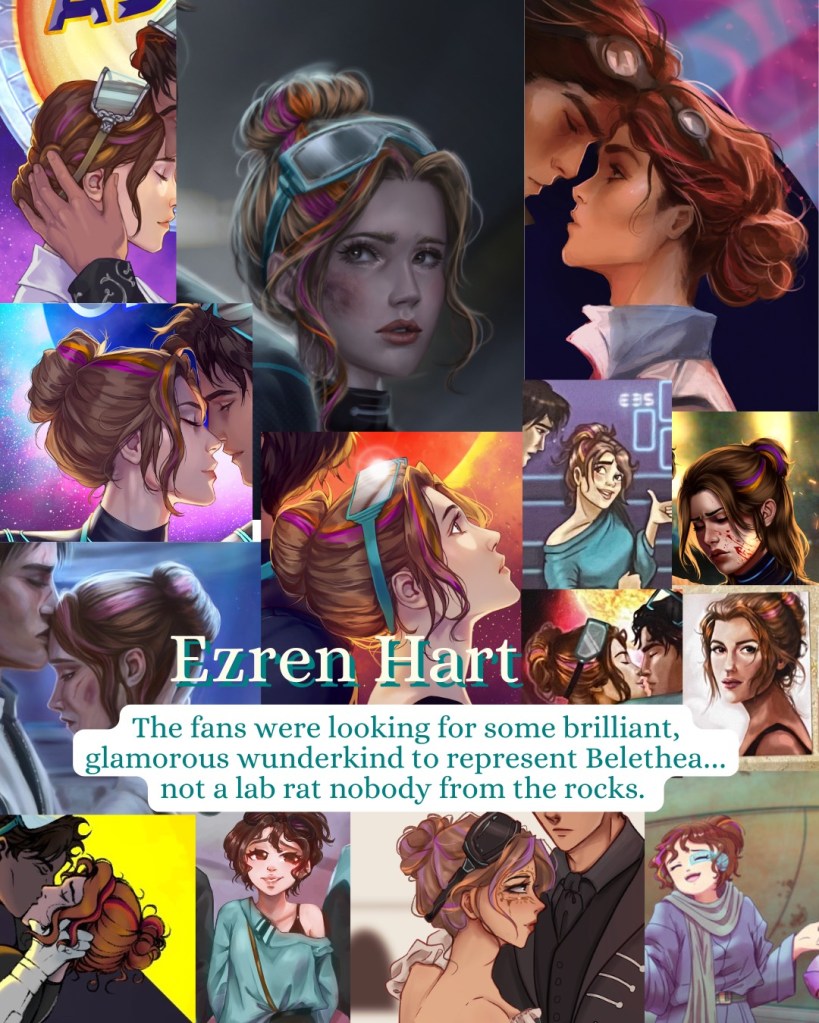
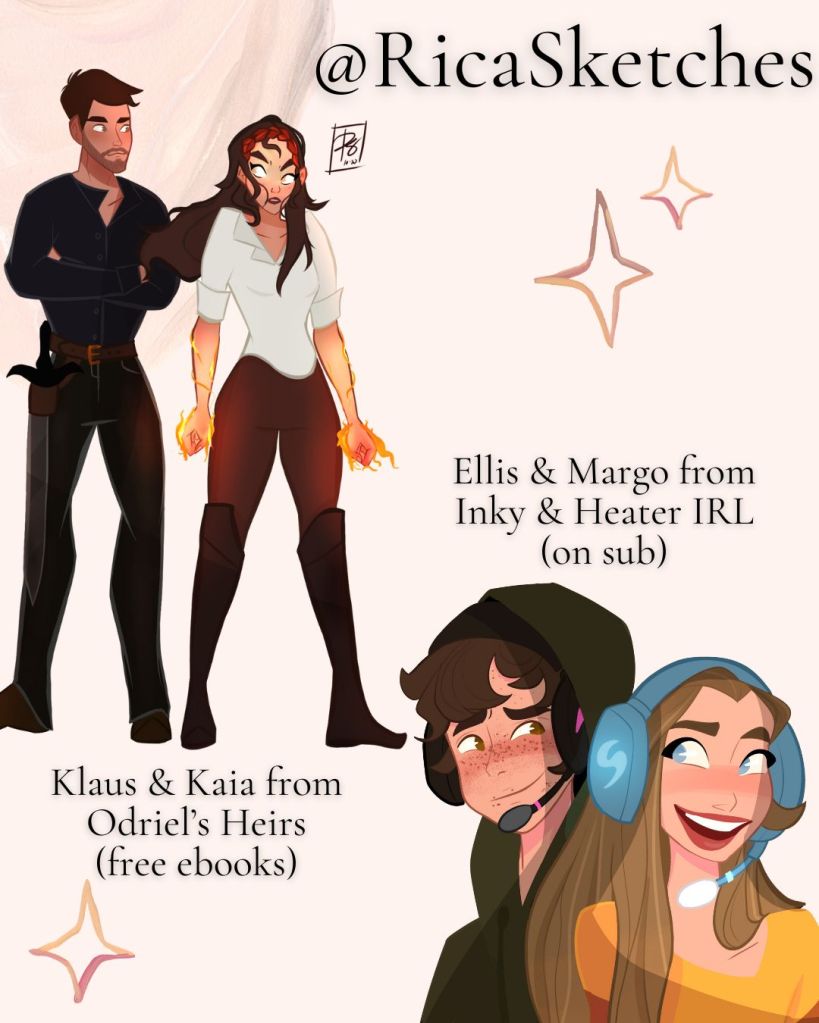
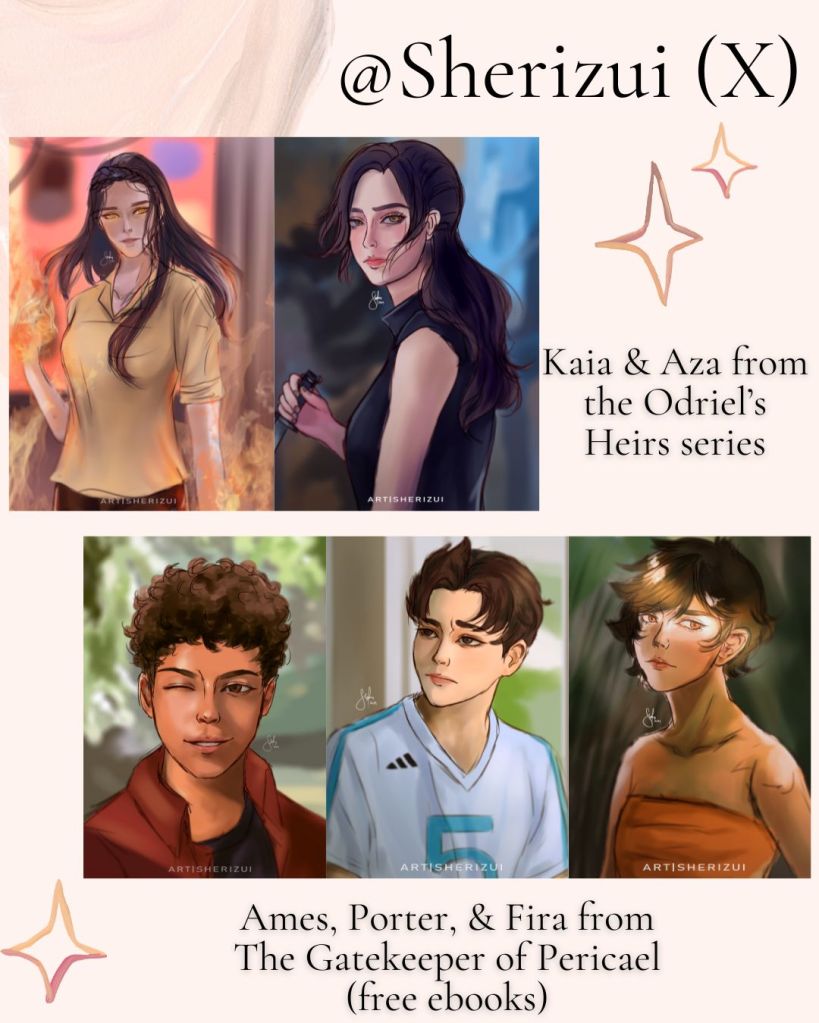
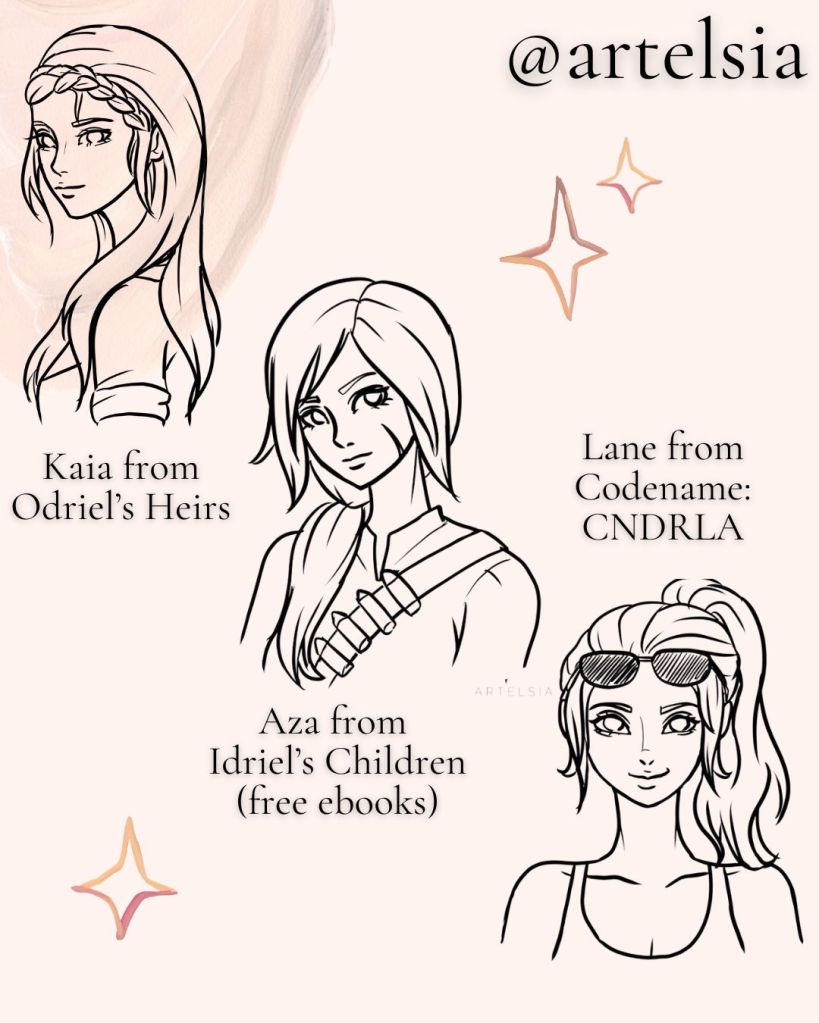
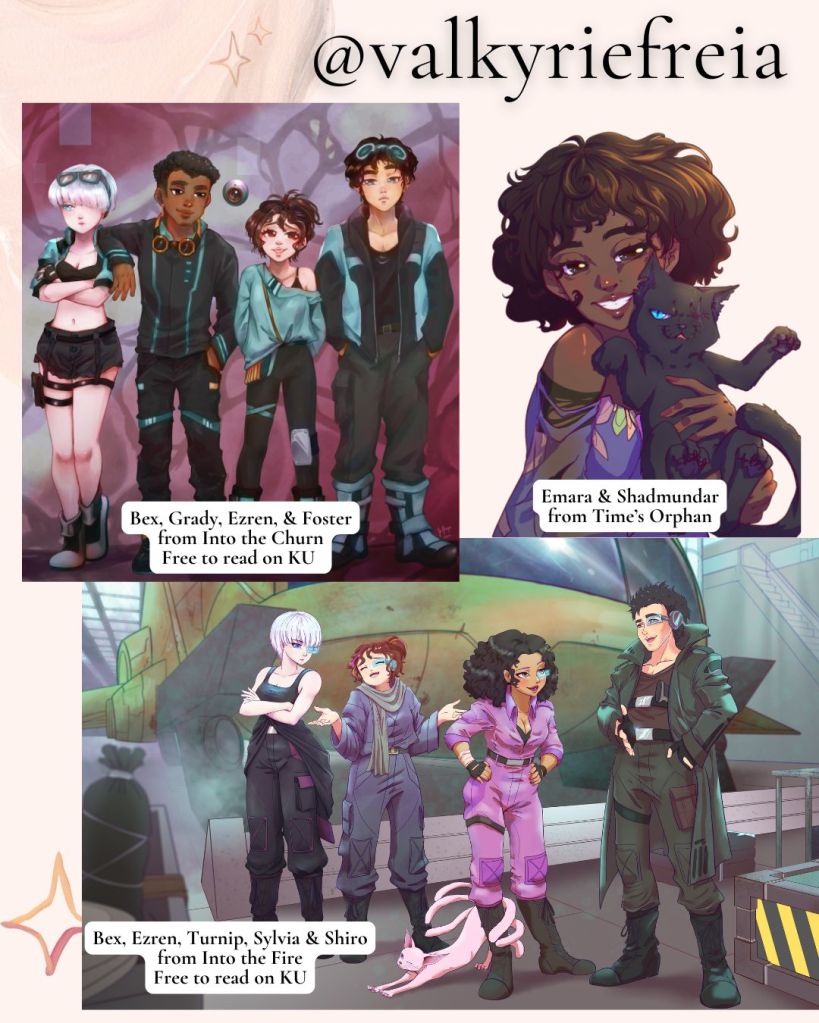
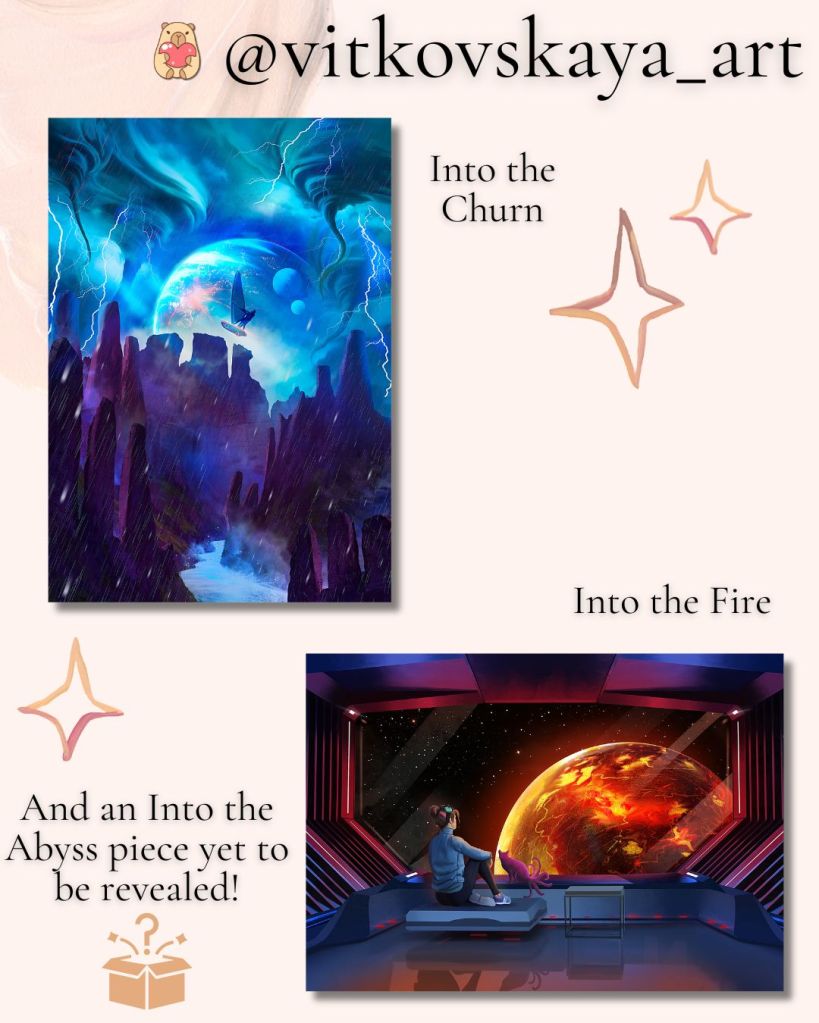
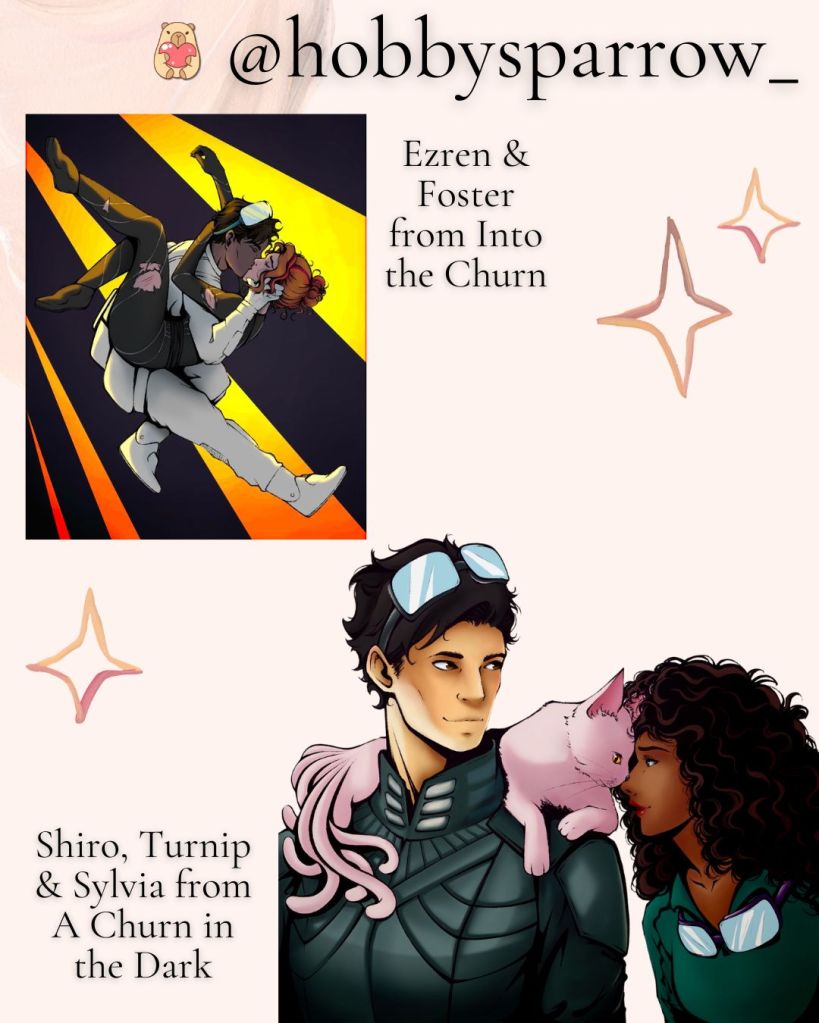
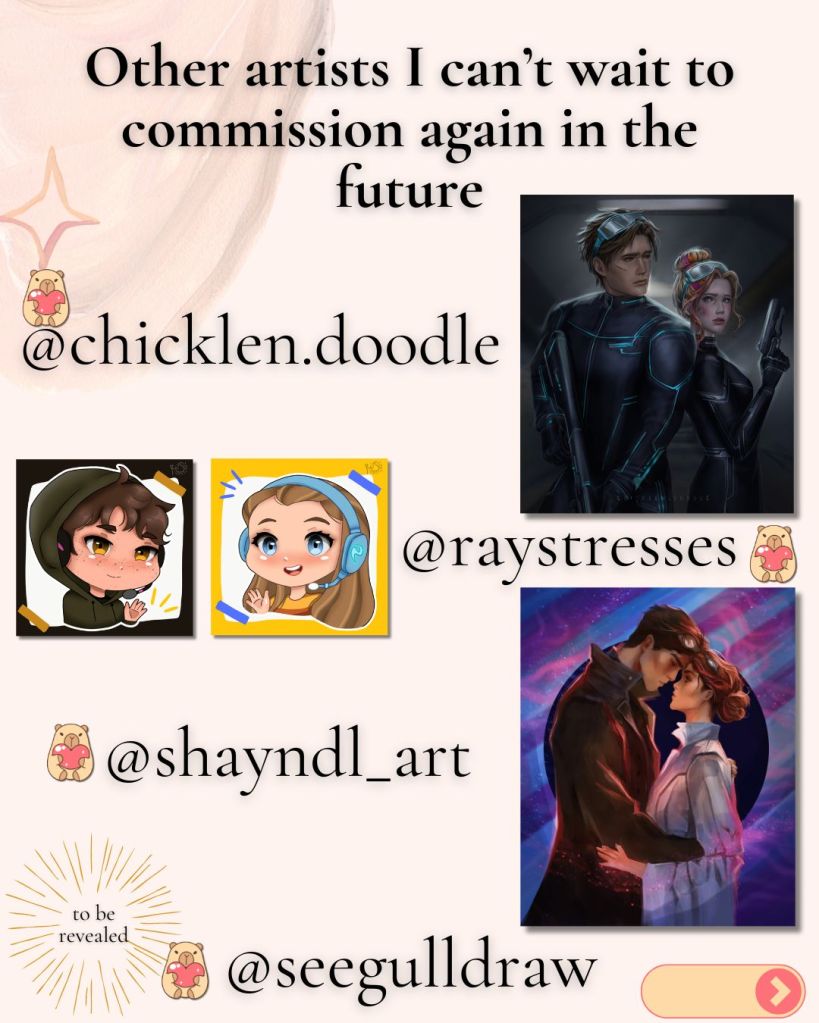
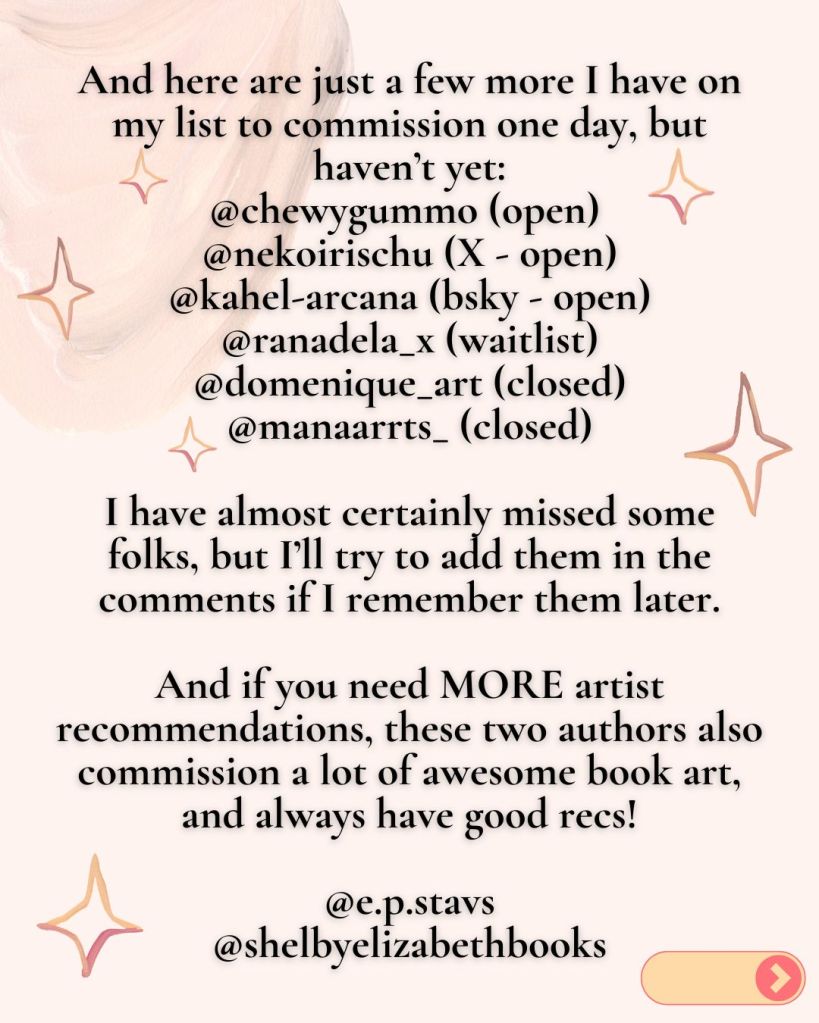
Okay, so this is the post I needed in my life as a budding author in 2019. I have always loved art since I was a kid, and now, as an author, I adore seeing books brought to life through character art, and use character art heavily when promoting my books. But when I first started out, I had no idea who to message about character art.
Over the years, as I admired other authors’ commissioned pieces, got recommendations from authors, and commissioned different artists myself, I began to gather quite a few art pieces of my books that I adored as well as a list of artists I enjoyed working with. I’m always on the look out for new artists and fresh styles, because I love to see how different people with different perspectives can bring to life characters in different ways.
And yes, I only work with human artists and likewise, human authors. In case you haven’t seen my thoughts on generative AI, you can find them in the graphic below.
So in part, this is an artist appreciation post for the artists who I’ve worked with over the years, and it’s also a resource for those other authors out there looking for (human) artists to commission. Without further ado, the guide is below! All handles are from Instagram unless otherwise noted.
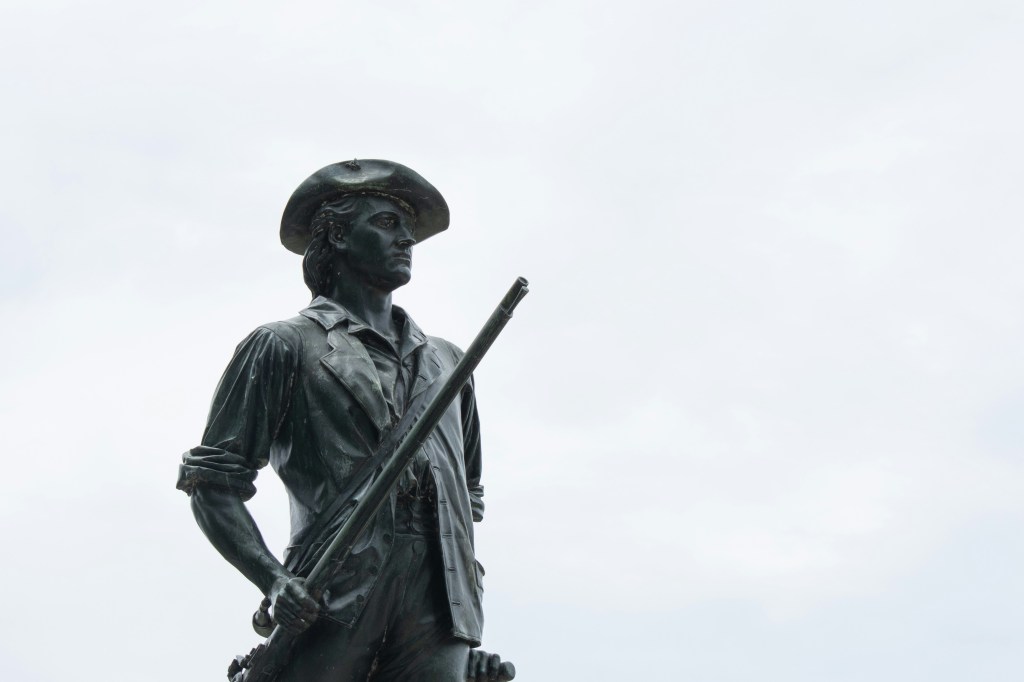
June 2024 (Second Round) Genre: Historical Fiction Action: Stumbling Word: Tour Time Constraint: 24 hours Length: 100 words
The wound may not be mortal, but it’s still the end of me.
Blood seeps from my shoulder as Holbrook stumbles to my side, the redcoat’s body cooling in the autumn leaves.
“How bad?” Holbrook rasps.
“I…”
But it’s too late; Holbrook’s already ripped open my coat and shirt. For a moment, he only stares, my lie exposed with the curved contour of my bound chest—Robert Shirtliff poised to die at the hands of his dearest friend.
“’Tis a small wound.” Swallowing, Holbrook pulls his spare shirt from his knapsack. “No one need know.”
And I am saved twice.
This one came in first (🎉) in its group, and the feedback is below!
WHAT THE JUDGES LIKED ABOUT YOUR STORY
2076} I was impressed by the sense of the personal in this piece, the way you allow the historical context to be so in the background and this life-or-death personal catastrophe to come out so strongly in an emotional climax. I thought the last line was beautiful, with real literary flair.
{1666} Excellent work here! Your narrative arc was full-bodied and complete, which speaks to your imaginative force and economy as a writer. The double-entendre of your opening line was really clever, and I appreciated your speculative additions to the known facts of this fascinating figure’s tale.
{2376} This story has a strong sense of mystery with an excellent payoff. You do a great job of hooking the reader in with an opening line that presents the reader with an irresistible riddle. And the way that riddle is answered put the reader in the same position as Holbrook—with the truth slowly dawning us. And the final turn the story takes leaves the reader with a satisfying conclusion, having Holbrook make the same decision that we would make in his position.
WHAT THE JUDGES FEEL NEEDS WORK
{2076} What might be worth developing in this piece is your description. Can you rephrase it from our narrator’s perspective, drawing closer to their sensory experience in a more specific way? Think about when the blood is seeping from the wound; does it hurt, is the blood warm, is it numb? What does the redcoat’s body look like? What’s the setting like, what does Holbrook’s face look like? This will all immersive the reader more strongly in the moment at hand.
{1666} While it’s clear enough to me that “Shirtliff poised to die” is a figurative statement, there are enough swirling elements and tension for this to be misinterpreted. The reader may be wondering if the narrator is referring to the existing wound, being killed by Holbrook, or facing some sort of death penalty after being exposed as a woman. Some alteration here might help protect the interpretation. Additionally, take a look at reworking sentence 2 – the clause “the redcoat’s body cooling in the autumn leaves” doesn’t refer or link to any other active image in the sentence, so the sparse phrasing feels affected just for the sake of sparing words.
{2376} There’s a lot already going right in this story, but there are a few small things to consider in a revision. One would be reframing the line about the redcoat’s body. The way that this phrase is attached to the image of Holbrook stumbling to her side creates a little confusion in this draft. Spliced on, the reader is expecting this clause to modify some part of the sentence we’ve already read. Instead, if Holbrook “stumbles over the body of a redcoat cooling in the autumn leaves” we get the image of the dead man without the confusion. Another thing to consider would be taking out the line about Robert Shirtlff dating at the hand of his friend. This line tells us what the story is showing us about the closeness of these two people. It also interrupts the moment of tension in which or POV character is left wondering what’s going to happen. Instead, you could sustain this tension by having Holbrook pull out his spare shirt before he speaks, leaving the reader unsure of what he thinks until the last possible moment.
Thanks for reading! You can find the rest of my NYC Midnight Challenge entries and feedback here.
April 2024 (First Round) Genre: Drama Action: Throwing a Tantrum Word: Deal Time Constraint: 24 hours Length: 100 words
I can only stare as the front door slams and Chloe runs after her mother. Already screaming, Chloe pounds the wood with chubby three-year-old fists until she melts into a hysterical puddle on the floor. I want to tell her it’ll be okay; her mother will come back. My daughter will come back.
But those lies won’t change the hand we’ve been dealt.
Instead, I sit beside her, my tears adding to the splotches Chloe’s already made on the linoleum. “I’m here.”
It’s all I can offer, but when her dimpled hand squeezes my wrinkled one, I know it’s enough.
This one came in first (🎉) in its group, and the feedback is below!
WHAT THE JUDGES LIKED ABOUT YOUR STORY
{2370} You did a great job at portraying the scene, providing great imagery and details (chubby fists, tears on the linoleum), and provoking intense emotions in your reader. You only had a few words to work with, and you did a really great job.
{2314} There’s great subtlety at work here. Obviously Chloe’s responses are dialed up. In contrast, our narrator is subdued, a person who perhaps has dealt with grief before a few times in their life. It works well.
{2369} This story is heartbreaking. That poor baby. And poor grandparent. The emotions of this piece are spot on and well done. Every word does work and is needed. A vivid story that is well told.
WHAT THE JUDGES FEEL NEEDS WORK
{2370} One minor suggestion is that I don’t think you need to say “three-year-old fists.” I think you could change that to toddler or just say chubby fists. We can infer her age thanks to other descriptions you include and through Chloe’s behavior.
{2314} I found myself feeling this story is good – when it has the potential to be great. I think it’s in the details. You’ve given us a broad scenario – family dealing with grief. Refracted through an older person, dealing with a younger person. I found myself wanting some other x factor – either in style, or characterization, to elevate the premise.
{2369} There’s not much of anything I would suggest for improvement. This story is easy to understand but has enough depth for the reader to feel something. My only thought is that 3 seems a bit young for Chloe to understand and be able to do anything other than cry and throw a fit for her mama. You don’t say she does understand, but somehow it still feels that she does. The image of a dimpled hand squeezing a wrinkled one is so beautiful that I hesitate to ask you to change it, so maybe consider making Chloe just a touch older?
Thanks for reading! You can find the rest of my NYC Midnight Challenge entries and feedback here.
Every so often, I try to dive into writing craft books to learn and hone my skills. Here’s a few I read this year and the nuggets of wisdom I gleaned from them. If you’re looking for a star rating, I’ve decided against giving star ratings for craft books because, to be honest, I don’t enjoy reading them, but I do it for the learning opportunity. However, I did rank them from 1-7 here!
Story Genius(#2)
I actually bought this book several years ago, but just finished it today. I took a few solid nuggets away about character and motivation, however there’s a lot of how-to writing process detail in here that wasn’t quite what I was looking for.
However, if you’re a writer just starting out and looking for a breakdown of the story crafting process, this might be the right book for you!
Big Takeaway: The reader has to connect with the main character. If not, you’ve already lost them. (This book did bring an epiphany for me a few years ago, shifting my perspective from plot-driven to character-driven.)
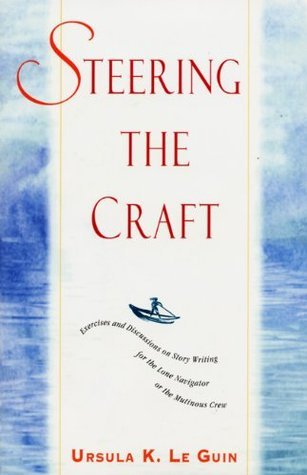
Steering the Craft(#4)
I’m reading writing craft books this weekend, and as this one was recommended by quite a few internet strangers, I grabbed it from the library. This is definitely different from the other craft books I read in that it really is (and the author says this upfront) a workbook with exercises and examples like you would do in a workshop.
She even has recommendations for how many writers work best in working through the exercises in a peer writer’s group, how often to meet, etc. And not only does she have detailed exercises to drive home the different elements and tools of writing but examples from classic literature as well.
Overall, it was a quick, interesting read with a few insights that resonated with me, but I would most recommend this for those looking for exercises to work through in a peer writing group, especially when refining their writing at the line level.
Big Takeways: Write for you, be intentional with punctuation, listen for your rhythm, and beware the grammar bullies.
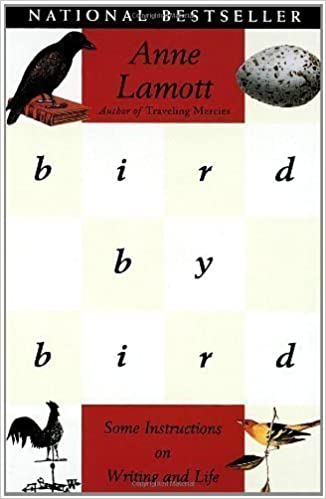
Bird by Bird(#6)
This is another one I started a long time ago, but only finished quite recently. This, I feel like is less a guideline on writing and more a philosophical take on it.
My Big Takeways: Write one step at a time, write for you, and if you something strikes you in an emotional way, write it down.
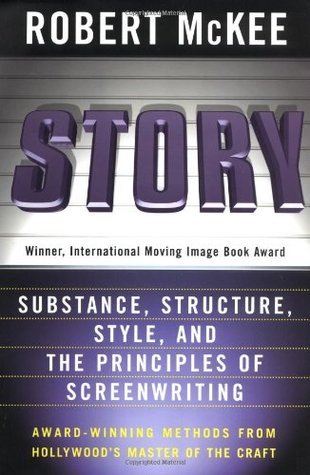
Story: Substance, Structure, Style, and the Principles of Screenwriting(#5)
This one is a little tough to review since I got the audiobook and I found the narration somewhat off-puting. I do like how this book approached story from a very broad level and then broke down the elements of story into extremely fine detail from beats to character to setting with examples from well-known movies.
Takeaway from this one: The best stories are multilayered and universal, and if every beat doesn’t serve the story, cut it.
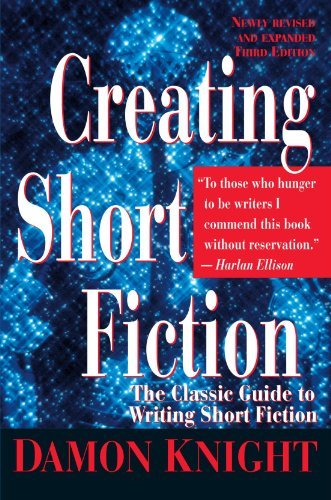
Creating Short Fiction(#1)
A little dated in some respects, but I actually really liked some of the exercises here, especially when it comes to mining your experience to put things that really matter to you in your writing. The interplay between the unconscious and conscious mind was also interesting. Also, his thoughts on a “story-writing computer” were also amusing considering the present world we now live in.
Big Takeaway: As a microfiction writer, I also found his delineation between a sketch, an incident, an anecdote, and a story to be interesting. (The story involves emotional involvement and impediment.) And his thoughts on contrast also resonated. (That even grim stories must have viscerally light moments and vice versa)
Of the craft books I’ve read in the last two weeks, I think this is the one I would most recommend so far.
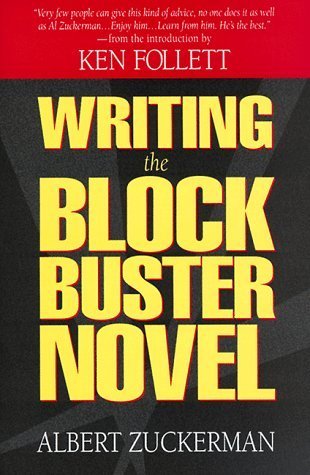
Writing the Blockbuster Novel(#7)
Of the six writing craft books I’ve read in the last few weeks, I think this one might be my least favorite. It mostly relies on the in-depth analysis of a few stories, and while I enjoyed the big points, overall I felt it was a bit of a dry read.
Big Takeaway: Blockbuster books rely on high stakes, powerful characters, dramatic scenes, intense excitement, “sexy” settings, 3-4+ point-of-view characters, intense emotional ties between the characters, and a radical premise.
Romancing the Beat: Story Structure for Romance Novels (#3)
This craft book was concise with a light sense of humor that made it super easy to read. While I don’t think this beat structure is universal for the romance genre, I do think it is a solid starting point, and there were some good insights here.
Takeaways: Romances are about two characters who each have some flawed misconception about love that is healed through a relationship journey that foundationally changes what they think about love. They most often progress in a 2 steps forward, one step back kind of dance and the dark moment will be related to their flawed romance-perspective.
As a writer, it’s important for me to read craft books so I can grow and learn… but I’m officially craft-booked out for 2024.





















 Hayley Reese Chow