NYC Midnight Challenge Honorable Mention – 250 words – March 2023

When they’re ready

March 2023 (Final Round)
Genre: Open
Action: Shushing
Word: Blur
Time Constraint: 24 hours
Length: 250 words

Life was busy, death was simple, but it’s the hereafter I can’t take.

I arrived in a blur of shattering glass and crunching metal—a spike of agony and then… weightlessness. For days, I wandered familiar streets disoriented and untethered in ghastly shock, until I found the remains of my broken family and wished I hadn’t.

I desperately wanted to tear my eyes from the pudgy four-year-old impatiently asking for me while her unshaven, red-eyed father tied a messy ponytail instead of a braid and forgot Mommy’s special lullaby.

But there was no one to soothe him when he returned to our oversized bed with tears streaming into his stubble. Even as I lay with my ethereal arms around his trembling shoulders, gently shushing his heartbreaking cries, he couldn’t see me—the powerless, spectral witness wondering what crimes we’d committed for such a sentence.

Yet the moment passed, and our grief eased with the whisper of the hourglass. Their omnipresent shadow, I guided Nick’s hands with my translucent ones as he learned to braid, and I sang my lullaby alongside him as he tucked Amelia into bed.

The seasons changed, and now sweet giggles lace Mommy’s song as they hum together while Nick braids Amelia’s hair perfectly for her first day of school. She gets on the bus, laughing as she waves goodbye. Nick and I wave back, and when he finally smiles, relieved certainty enfolds me.

The hourglass falls silent, and I’m weightless once again—a shadow no more.


This one got an honorable mention in the final round! The best I’ve ever done so far! The feedback is below!

WHAT THE JUDGES LIKED ABOUT YOUR STORY

{2104}  This was a sweet and poignant story. I particularly loved the middle paragraph in which you wrote, “Even as I lay with my ethereal arms around his trembling shoulders, gently shushing his heartbreaking cries, he couldn’t see me—the powerless, spectral witness wondering what crimes we’d committed for such a sentence.” It is a lovely piece of imagery. Well done.   

{1788}  The narrator’s point of view was handled skillfully, allowing the reader to see the limitations of her new form but also her close proximity to the loved ones she couldn’t touch. It was particularly effective when she wasn’t able to comfort Nick, her “ethereal arms around his trembling shoulders.” For a wife or mother, it’s an unbearable thought, but it was heartening to see how quickly Nick found the strength to tend to Amelia.

The change in Amelia and Nick’s attitudes was more than believable, and the author showed the passage of time very well throughout the text. Even learning how to braid hair can take many days, and the sight of her perfect braid and his smile were lovely final images. 

{2206}  A tender story of loss and love with a hopeful ending.

“I wandered familiar streets disoriented and untethered in ghastly shock, until I found the remains of my broken family and wished I hadn’t.” A powerful depiction of life after death; dead but not gone. Here but separate.

“…spectral witness wondering what crimes we’d committed for such a sentence.” The agony of these words, speckled with alliteration and read like poetry.

An exquisite ending of the healing power of time and help from the unseen world.

  {1943}  Oh my gosh, this was a heartbreaking, beautifully written story. Your opening was powerful – I loved the balanced sentences and vivid description as she arrived in the hereafter and eventually “found the remains of my broken family and wished I hadn’t.” This was fabulous writing – you had me hooked right from the start. The concept of her being physically with Nick, while also being unseen by him was heart wrenching – I had tears in my eyes at “Their omnipresent shadow, I guided Nick’s hands with my translucent ones as he learned to braid”. The idea of them having a shared grief – “our grief eased with the whisper of the hourglass” – was beautiful. This image of the hourglass was wonderfully evocative, especially as it fell silent to release her at the end. Wonderful!

  {2274}  The story depicts grief through a harsh lens with not only the daughter but the husband suffering. They are both lost without her and at first all she can do is join in ineffectually. Indeed, why such a sentence? But the story takes a nice turn when the mother can help “train” daddy to improve his mothering. The ending is bittersweet but closes the most pressing part of the grief cycle. Amelia and Nick will make it and mom is finally able to move on to where she belongs. It’s a complex arc with three fully developed characters for such a tight word count.  

WHAT THE JUDGES FEEL NEEDS WORK

{2104}  Other than the middle section which I referred to above, there is still more room for showing rather than telling in your story. By showing more, you allow your readers to delve more deeply into the heart of your protagonist’s emotions. If you are able to do so, you will take your already very good story and move it up to the next level.   

{1788}  The hourglass could still be a more potent symbol. If it’s an hourglass that only exists in her mind, the author might want to make it a more vivid property. How much sand is left when it’s first mentioned? Do the falling grains unnerve her? Is she ready when the hourglass falls silent? Even if it’s not real, try to make it a more emotionally resonant entity, something she and the reader can see changing over time. The author may even want to place it in the first half. It seemed like a missed opportunity not to make it a more integral part of the piece, especially since it’s in the story’s last sentence.

“When They’re Ready” is a moving and unique microfiction work. Once the author highlights one symbol further, it will be even more wonderful. 

{2206}  The opening line didn’t seem to quite fit the rest of the narrative. In one way, her death was simple, quick even with no effort on her part. But simple doesn’t quite capture the pain of it. Likewise, the first moments of the hereafter, described so powerfully by the writer, would have been very difficult to take, yet she is able to help her husband and daughter as well as witness their healing and moving on to new life, and she seems at peace moving on, too. I would recommend beginning with “I arrived in a blur…” and use the extra words to give the reader a peek of her new life.  

{1943}  I thought your story was excellent, and I found it very difficult to find anything major to suggest that you edit. Perhaps you could consider the transition to “But there was no one to soothe him” – I paused here to reread, wondering why there was “But” at the start of the paragraph. To me, it felt a little awkward that you moved on to consider “him”, as she’d been unable to tear her eyes from the child, not the husband. After I reread, I wondered if you meant that he’d soothed Amelia when tying her hair, whereas nobody was there to soothe him, but this connection felt tenuous. I was also curious about the transition “Yet the moment passed”, as again, the tone of this felt a little disconnected to the previous paragraph. Maybe editing these two transitions could create a smoother read, but honestly, I am nitpicking as your writing was outstanding. 🙂

  {2274}  There’s never a clear explanation about how the mother is finally able to act upon her family when she couldn’t in the beginning. In this world, is it just something that must be learned? Did her spirit become stronger? It’s challenging to attack all details within a short story but this detail is relevant to the ending and some fleshing out would help the reader feel the narrative arc is complete. To gain the word count, a little could be trimmed throughout by choosing what adjectives and phrases are less necessary.


You can find the rest of my NYC Midnight Challenge entries and feedback here.
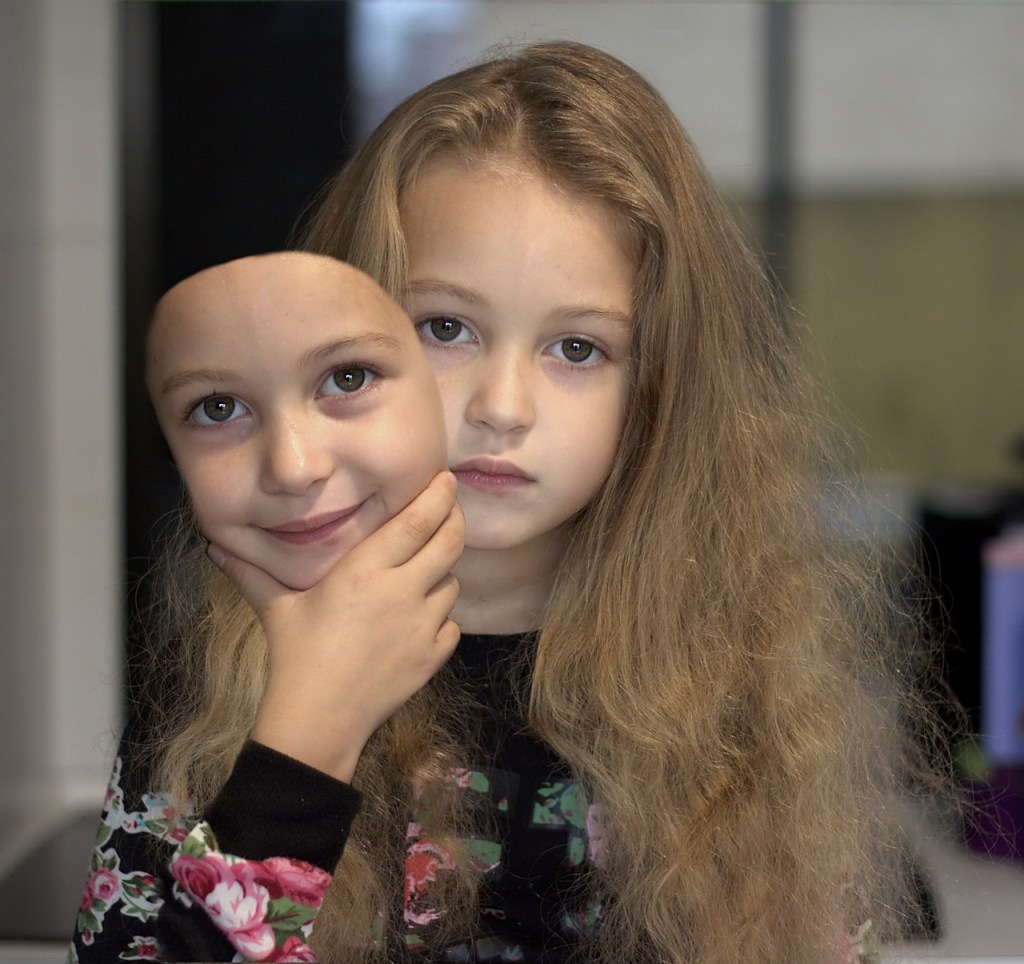
NYC Midnight Challenge – 250 words – December 2020

(An oldie, but I’m trying to clean up my NYC Midnight Challenge Post page.)

DArk TanGles

December 2020 (Round 1)
Genre: Drama
Action: Haircut
Word: Charge
Time Constraint: 24 hours
Length: 250 words

Pulling a brush absently through her waterfall of midnight hair, Lyla’s deadened eyes stared at the sharp steel blades resting next to the bathroom’s cloudy mirror. With every brushstroke, another memory peeked through the shower’s lingering fog.

There was Josh, tall and handsome, curling a lock around a loving finger. Another sweep of the bristles, and he folded her into his warm arms, pressing his lips to the pale line parting the sable curtains of her waves.

Lyla pulled harder, breaking through the wet, crackling snarls, and a different mirror reflected back at her, spotless and bright, as she braided an ebony plait to cover the purpling bruise on her temple.

She yanked again, and Josh’s strong fingers clawed into her scalp to drag her across the kitchen, stray black strands sticking to the scarlet gushing from her nose.

Dragging the brush through the knots one last time, she replayed herself winding her curls under a stained beanie and boarding the musty greyhound bus in her desperate charge cross-country to finally collapse at her sister’s doorstep with matted, greasy hair still tucked under the dirty cap and the bruises yellowing around her eyes.

Sobs now choking her breath, Lyla threw the brush down in a jarring clatter. With a scream, she grabbed the waiting kitchen shears and hacked through the dark tangles of hair and memories, the heavy locks pooling at her feet.

Chest heaving and cropped hair jagged, she glared back at the mirror, eyes still swollen—but furiously alive.


This one came in 3rd place in my group, and I got to advance to the next round. The feedback is below!

WHAT THE JUDGES LIKED ABOUT YOUR STORY

{1774}  This built with such compelling intensity. The imagery with Lyla’s black hair through the stages of her relationship with Josh worked powerfully to convey the escalating abuse and deteriorating bond. The violent haircut felt like the shedding of much more than hair. Well done!

{2024)  I enjoyed how the author incorporated the topic of domestic abuse into what could be a simple story about a haircut. I thought the transitions to the flashbacks through the strokes of brushing Lyla’s hair felt surprisingly natural and very cinematic. I appreciated that we could feel the build in tension from the absent pulling of the brush all the way to the hacking through the dark tangles at the end. I also appreciated the variety in the author’s descriptions / metaphors.

{1953}  I love how the author artfully used the mirror as a kind of time capsule (a very effective narrative-condensing strategy in such a short story)!

WHAT THE JUDGES FEEL NEEDS WORK

{1774}  Lyla’s hair must have represented something Josh loved and used to his advantage. Share if he insisted on her wearing it long, exhibiting another area of control. That would make her hair liberation all the more sweet. To preserve word count, you might cut the “…matted, greasy hair still tucked under the dirty cap …” line, as you already describe her hair as she put the cap on before boarding the bus.

{2024)  My only confusion (super irrelevant to the plot) was about the texture of Lyla’s hair. It’s described as a “waterfall of midnight hair” and “sable curtains of her waves”. Then later as “wet, cracking snarls” and “curls”. It’s inconsequential to the story, and I appreciated the variance in descriptions, but the stray thought gave me pause while reading.

{1953}  I recommend that the author reserve elevated descriptive words for the most emotionally charged details. Lines like “the pale line parting the sable curtains of her waves” compete (in a less-than productive way) with the emotional impact of her “matted, greasy hair still tucked under the dirty cap.” While I understand that the author is trying to develop a contrast, it might be a more effective contrast if some descriptive language was trimmed back in the earlier lines about Lyla’s hair (ex: “the pale line parting the sable curtains of her waves”  could be pared down to “the pale line parting her waves”).

How I streamlined my writing process

Image by 0fjd125gk87 from Pixabay

So… I used to consider myself a “Turtle Writer.” And, my friends, it took me 8 years from when I started the first draft of my first book to when I published it. My second novel took me 4 years from start to publish.

For comparison, for my next release, Time’s Orphan, there will be 11 months between starting and publishing. And for my YA sci-fi launching in April, there were around 15 months from starting to when Whimsical Publishing acquired it.

And trust me, my two newest books are *way* better than my first two novels. (I still love my first two, but objectively, I’m a much better writer than I was 10 years ago, thank goodness.)

There are much faster writers than me out there, and much slower ones, but in any case, I halved my writing process time from Book 1 to Book 2, and by Book 8, I will have cut the time by 88%. One of my writing friends recently asked how I made that happen, so I thought I’d break it down here.

Image by Ralf Designs from Pixabay

Why did my first two books take so long?

This answer’s pretty easy. First, I didn’t actually believe I would publish it. I thought it was unsavable, and I thought by writing it, I had accomplished my writing goals, so I shelved it.

In 2017, I picked it back up, but I was still lost. I revised and edited as best as I could, but I wasn’t until I found the writing community on twitter, that I even thought about getting critique partners and an editor. After getting that feedback, I ended up *heavily* revising the first half of the book.

And there so many stops and starts during that time. I would say it’s because life got busy, which is true, but it’s also because I hadn’t found a rhythm. And more importantly, I still was unsure of my commitment to writing. I still thought Odriel’s Heirs would be the only book I would ever write. (Oh, silly me. 😂)

With the second book, I found indie author friends online as well as consistent critique partners, and that changed everything.

Image by Alan from Pixabay

So what happened with the third book?

We can break it out into a few important eureka moments:

  • I gained confidence. I’d put myself out there, been rejected dozens of times, had a few reviews that smarted, but had a lot more that encouraged me forward. With all that under my belt, I no longer had that paralyzing fear of failure that had kept me back. Even if the next book doesn’t get picked up by an agent, I can publish it myself – and that’s still very fulfilling to me.

  • Also, I realized I could work on multiple WIPs at one time. This was absolutely crucial. Right now I have *FIVE* (😱) WIPs – querying one, editing two, revising one, and plotting one. I cycle through them to give myself some perspective when I come back through drafts, and that way I can always be working on one thing while I’m waiting on responses to queries, CP feedback, editor feedback, etc.

  • Juggling WIPs also forced me to establish a process that worked for me. My experience allowed me to come up with realistic timelines and goals for myself to meet. It’s incredibly motivating for me to cross things off my list, and it lets me see the things I have to look forward to.

  • I found CPs & Betas I can depend on, and in a pinch, I knew how to find others quickly (psst critiquematch.com). Their objective feedback is invaluable to help me find problems EARLY in the process so I don’t get into the editing phase and have a huge “Oh Sh*t” moment. They also continued to teach me valuable writing lessons, and I hone my own editing skills on their work as well. These relationships are also a bulwark of support and encouragement which is also vital to a process heavy in critique.

  • I studied up on writing craft books which have given me epiphanies that also helping in every phase of the journey. But most critically, Save the Cat Writes the Novel gave me the framework I needed to learn how to plot effectively. Once again, it allowed me to identify problems very early, which eliminated a lot of time-consuming rewriting.

  • Inertia is powerful. I am *not* an every day writer by any means… but I usually do something writer-related (almost) every day, even if it’s something incredibly small like a tweet-sized story for vss365. The most difficult part of writing for me is starting *anything.* So by keeping that positive pressure, I can keep rolling without mentally having to do the thing where I show up to write and think “Um… how do I do this again?”

Anyways, those are just the tips that have worked for me. Ultimately, every writing speed is completely valid. As long as you’re enjoying the journey, that’s what’s most important.

Thanks for reading! I hope this was helpful, and if you have any other questions, let me know!