NYC Midnight Challenge – 100 words – First Round – The Tearstains Left Behind

the tearstains left behind

April 2024 (First Round)
Genre: Drama
Action: Throwing a Tantrum
Word: Deal
Time Constraint: 24 hours
Length: 100 words

I can only stare as the front door slams and Chloe runs after her mother. Already screaming, Chloe pounds the wood with chubby three-year-old fists until she melts into a hysterical puddle on the floor. I want to tell her it’ll be okay; her mother will come back. My daughter will come back.

But those lies won’t change the hand we’ve been dealt.

Instead, I sit beside her, my tears adding to the splotches Chloe’s already made on the linoleum. “I’m here.”

It’s all I can offer, but when her dimpled hand squeezes my wrinkled one, I know it’s enough.


This one came in first (🎉) in its group, and the feedback is below!

WHAT THE JUDGES LIKED ABOUT YOUR STORY

{2370}  You did a great job at portraying the scene, providing great imagery and details (chubby fists, tears on the linoleum), and provoking intense emotions in your reader. You only had a few words to work with, and you did a really great job.

{2314}  There’s great subtlety at work here. Obviously Chloe’s responses are dialed up. In contrast, our narrator is subdued, a person who perhaps has dealt with grief before a few times in their life. It works well.

{2369}  This story is heartbreaking. That poor baby. And poor grandparent. The emotions of this piece are spot on and well done. Every word does work and is needed. A vivid story that is well told.  

WHAT THE JUDGES FEEL NEEDS WORK

{2370}  One minor suggestion is that I don’t think you need to say “three-year-old fists.” I think you could change that to toddler or just say chubby fists. We can infer her age thanks to other descriptions you include and through Chloe’s behavior.

{2314}  I found myself feeling this story is good – when it has the potential to be great. I think it’s in the details. You’ve given us a broad scenario – family dealing with grief. Refracted through an older person, dealing with a younger person. I found myself wanting some other x factor – either in style, or characterization, to elevate the premise. 

{2369}  There’s not much of anything I would suggest for improvement. This story is easy to understand but has enough depth for the reader to feel something. My only thought is that 3 seems a bit young for Chloe to understand and be able to do anything other than cry and throw a fit for her mama. You don’t say she does understand, but somehow it still feels that she does. The image of a dimpled hand squeezing a wrinkled one is so beautiful that I hesitate to ask you to change it, so maybe consider making Chloe just a touch older?


Thanks for reading! You can find the rest of my NYC Midnight Challenge entries and feedback here.

NYC Midnight Challenge – 100 words – Final Round – What the Children Couldn’t Save

What the Children Couldn’t Save

August 2023 (Final Round)
Genre: Open
Action: Seeing a reflection
Word: Best
Time Constraint: 24 hours
Length: 100 words

Mama tugs Ellie toward the ship that will take them sailing through the stars, saving them from acrid air and sun-cracked soil.

But Ellie stops to pluck a flat stone from the path, then the fluffy weed beside it, sending a beetle scurrying. She skips away, admiring her colorful respirator in an iridescent puddle before splashing through it.

A century later, aboard Ark C-24, Ellie clutches her treasures, telling children of wishing flowers springing from walkways, stones dancing across glassy lakes, ladybirds bestowing luck, and water falling in gems to pool in rainbows underfoot.

Then together, they dream of home.


This one didn’t place, but the feedback is below!

WHAT THE JUDGES LIKED ABOUT YOUR STORY

{1943}  This was a beautiful story, full of gorgeous images. Your worldbuilding was very strong. The contrast between the description of the remnants of nature – the fluffy weed and the beetle – and the pollution – the iridescent puddle – was ingenious. I loved the fact that the respirator appeared to be colorful and thrilling to a small child due to pollution. The idea of Ellie remembering “glassy lakes, ladybirds bestowing luck, and water falling in gems to pool in rainbows underfoot” a century later was very poignant. This was a moving, thought-provoking story. Well done.

{2063}  A short story spanning 2 centuries.  Presumably the worst case scenario of global warming has destroyed the earth.  Your visual description of the innocent little girl who skips and picks up stones, paints a picture we know well, but the the stark contrast of the respirator in the puddle brings the reality of the situation home. The second act shows Ellie, now  a mother, telling stories of her past on earth, and they all imagine a life that used to be. A tragic story, but with a glimmer of hope in the resolution, even if it is through dreaming. 

{2125}  This story of Ellie and the rest of humanity escaping environmental catastrophe is compact and strong. The details are quite realistic and the image of a child wearing a respirator to breathe on Earth is shocking but also well done. I love the details of the items she brings on the ship. The flash forward in time works well.

{1788}  Though there were only a few descriptions, the author fashioned an excellent dystopian environment. Ellie finding beauty in such a sobering setting was incredibly touching, and the fact that she held onto the objects for a century impressed the reader immensely. The children’s response to Ellie’s prized items was lovely to witness. While no one could save the Earth, it was encouraging how they embraced the remnants and held onto the history.

{1963}  Generation ship stories crop up a surprising amount, but it’s heartening to see one that can find some hope in the concept of generations, rather than all being about the admonishment of humanity. It’s also nice to see how something that seems so insignificant as a stone can gain significance over the years, which feels true to life. Refreshing work! 

WHAT THE JUDGES FEEL NEEDS WORK

{1943}  I loved the images of the fluffy weed, the beetle, ladybirds etc. I wonder if the next step might be to see where you could make some more adventurous word choices to evoke an even more vivid picture. I would consider where you might surprise us with some word choices that evoke a sensory image, maybe creating an even stronger sense of a texture, color or scent.

{2063}  Does the journey through space keep the human’s young?  As Ellie is still alive a century later. Consider how you can create more conflict in act two to produce some rising tension.  Even though the conflict might be that they have to evacuate the earth, there doesn’t seem to be any barrier here.  Try not to make it too easy for the protagonist.  Perhaps they almost don’t reach space? Or the spaceship almost breaks up on leaving the atmosphere.  Something that makes the reader believe that Ellie won’t make it.

{2125}  I might like to know how old Ellis is during the opening scene. Is she four? Eight? Twelve? That information might make us interpret the story differently. If she is under five, does she have memories of her home planet? Or are the objects all she has left? Is she sharing real memories with the children or are these memories that have been imposed on her by others? This is a strong and sharp story, but I might like a stronger sense of who Ellie was then so we can understand who she is now.

{1788}  One of the plot elements would be more believable with further attention. Ellie living for over a century was interesting, but she did grow up in an unhealthy location, so the reason for her long life should be more clear to the audience. Why not tell the reader one phrase about the ship? For instance, maybe it’s a ship that protects its inhabitants from disease/germs. That would explain her amazing health and the author could say this briefly. The plot element can definitely work, but an explanation would make it easier to accept. “What the Children Couldn’t Save” is a beautifully written and resonant sci-fi piece. Once the author touches on one aspect of the plot more, it will be a laudable microfiction work.

{1963}  The opening word “Mama” wrong-foots the reader by hinting at a first person story which remains instead in 3rd person throughout. I assume this is more about saving words than a stylistic preference, but I’d try to fix this if at all possible, as the first words are the most important for orienting the reader.


You can find the rest of my NYC Midnight Challenge entries and feedback here.

NYC Midnight Challenge – Clark Kent Wears Tights

Clark kent wears tights

June 2023 (Second Round)
Genre: Comedy
Action: Putting on eyeglasses
Word: Member
Time Constraint: 24 hours
Length: 100 words

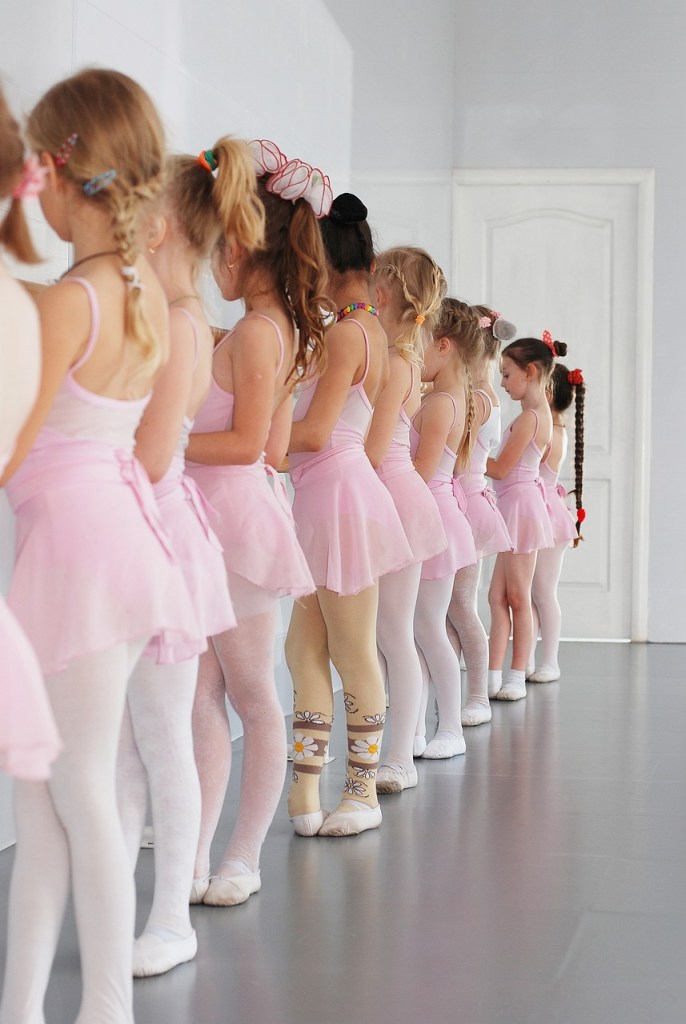
If someone recognizes me, I’ll never survive seventh grade. I don the square black glasses and face mask, desperately channeling Clark Kent before peeking into the ballet studio at the line of pink-clad girls. Oh god, I can’t go in there. When I asked Mom for dance lessons, I wanted to try hip-hop, not social suicide.

I’m about to flee when Aphrodite herself glides toward me with a smile. “You’re the new boy?”

My heart bursts into butterfly confetti, and I suddenly remember why everyone loves Clark.

He’s totally uncool.

But he always gets the girl.

“Why, yes, I am.”


This one came in second in my group, getting me into the final round! The feedback is below!

WHAT THE JUDGES LIKED ABOUT YOUR STORY

{1943}  This story had a really fun premise. I loved the image of him going in disguise because it was a ballet class. I laughed at the description of Aprhodite herself “gliding” up to greet him. So cute! The image of his heart bursting “into butterfly confetti” was lovely – this story really made me smile. Thank you for sharing it with me.   

{2138}  I really enjoyed this light and humorous piece. There’s a sweet and youthful energy throughout, and a strong sense of character via the narration: I loved his internal thought processes which also help to vividly bring the scene to life. You’ve established a great sense of pace to the narrating character’s journey too, taking him from nervous and uncertain to a quiet increase in confidence. “My heart bursts into butterfly confetti” was particularly lovely!  

{1980}  The narration in this piece is highly engaging. The narrator boasts a distinct voice, helping to establish a vivid understanding of both the immediate conflict they face and the wider world they inhabit outside of the dance studio. 

WHAT THE JUDGES FEEL NEEDS WORK

{1943}  I wonder if you needed the opening sentence. For me, the story became really engaging at “I don the square black glasses and face mask…” I think we know that he was a middle school from the fact that he wanted to try hip-hop, he used phrases such as “social suicide”, and he disguised himself to enter the dance studio. Perhaps you could work on some more middle-school style language in the opening paragraph to make sure that your characterization is very clear.

{2138}  Not much to critique here! Perhaps the only tweak I’d suggest is the combining of Clark Kent with Aphrodite – it may be a little odd for the reader to be presented with Greek mythology and the DC universe in the same piece?

{1980}  One element that could be further developed is the narrator’s body language, specifically in the moment they nearly “flee” from the studio. By fleshing out this moment of tension with imagery –are they grabbing their things, or checking to see if anyone is looking, for example — this would therefore heighten the relief as “Aphrodite” glides towards them. Perhaps by paring down some of the opening narration, this would leave more room in the word count to explore this narrative shift.


You can find the rest of my NYC Midnight Challenge entries and feedback here.

NYC Midnight Challenge – YouMask: Curing the Faces Only a Mother Could Love!

Youmask: Curing the faces only a mother could love!

May 2023 (First Round)
Genre: Sci-fi
Action: Putting something in a washing machine
Word: Card
Time Constraint: 24 hours
Length: 100 words

I lean into my daughter’s dark room, proffering a hamper. “Laundry?”

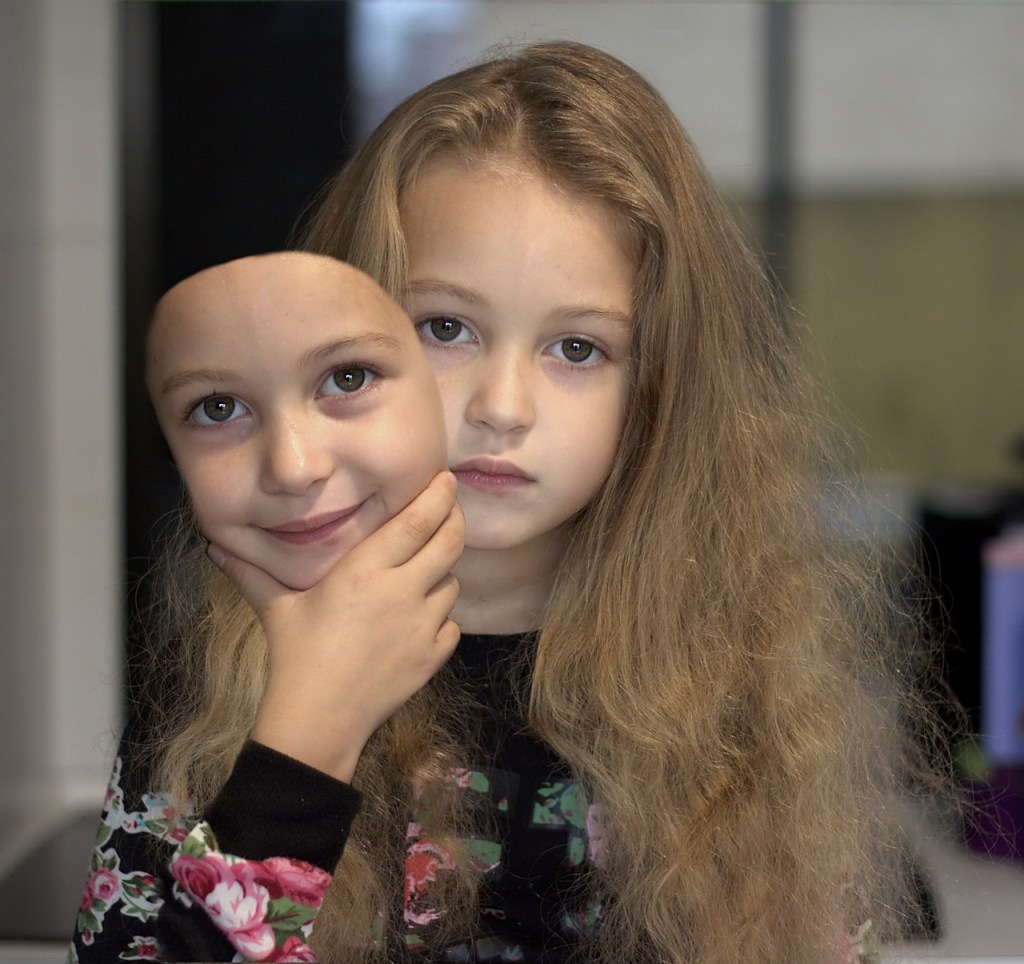
I haven’t seen her face in weeks—her crooked smile and freckles discarded for today’s trending features projected from her omnipresent YouMask. And the stupid thing’s not even washable.

An idea flutters through me like a scrap of hope.

“Can I wash your YouMask before it stinks?”

With a sleepy grumble, she pulls it from her head and drops it in my basket. I force myself not to run as I cross the house and load the washing machine.

She’ll be furious tomorrow, but at least I’ll see her.


This one came in first in my group, getting me into the second round! The feedback is below!

WHAT THE JUDGES LIKED ABOUT YOUR STORY

{2024}  I enjoyed the illustrative language in this piece, as well as the mother’s narrative voice. I appreciated the context about the YouMask told to us through the title, and then through the mother’s perspective as her daughter’s “face” projects ‘today’s trending features.” I enjoyed how her nostalgia for her daughter’s features was at odds with her discomfort for ruining the technology for her daughter’s own good. i enjoyed how this piece explored themes of coming of age and social media / body dysmorphia.  

{2147}  The author’s strong theme of re-connection between mother and daughter in the face (no pun intended) of technology. That’s entirely a prescient reality and great subject matter. A clever use for the required word “card” – “discarded”. 

{2274}  This is very depressing and sad bur that’s what comes from the truth it is speaking. Children are becoming so stigmatized and judged for their appearance that this scenario is a plausibility in our future. The mother’s yearning to see her child is such a primal instinct and should be a joyous aspect of their bond. Instead an artificial barrier appears to disrupt the norm.   

WHAT THE JUDGES FEEL NEEDS WORK

{2024}  This piece has a great foundation. Moving forward, I am most curious about whether the daughter bought the mask, or whether the mother gifted it to her? I am curious what age her daughter is, and whether there is an age limit to the technology?   

{2147}  The daughter, sleepy though she might be, consents to have the mask washed. She herself takes it off and puts it into her mother’s basket. So tomorrow, why would she be furious? She’d be furious if the mother took the mask while she was sleeping. Under these circumstances, it’s more likely she’ll be surprised, irritated at best. To improve the story adjust this one way or the other so the daughter’s reaction is appropriate.  

{2274}  Creating a fully fleshed-out vignette within such a tight word count is very challenging. It’s difficult to explain all aspects of the moment, but I can tell that a genuine effort was made. However, I was left with the following question. How old is the daughter? This simple data point would add a great deal to the story since kids become even more self-conscious as they get older. So a ten-year-old wearing the mask would be even sadder than a sixteen-yea-old. This would only need to be a few words which could be taken from some of the adjectives and descriptive phrases in the story without diminishing any section.


You can find the rest of my NYC Midnight Challenge entries and feedback here.

NYC Midnight Challenge Honorable Mention – 250 words – March 2023

When they’re ready

March 2023 (Final Round)
Genre: Open
Action: Shushing
Word: Blur
Time Constraint: 24 hours
Length: 250 words

Life was busy, death was simple, but it’s the hereafter I can’t take.

I arrived in a blur of shattering glass and crunching metal—a spike of agony and then… weightlessness. For days, I wandered familiar streets disoriented and untethered in ghastly shock, until I found the remains of my broken family and wished I hadn’t.

I desperately wanted to tear my eyes from the pudgy four-year-old impatiently asking for me while her unshaven, red-eyed father tied a messy ponytail instead of a braid and forgot Mommy’s special lullaby.

But there was no one to soothe him when he returned to our oversized bed with tears streaming into his stubble. Even as I lay with my ethereal arms around his trembling shoulders, gently shushing his heartbreaking cries, he couldn’t see me—the powerless, spectral witness wondering what crimes we’d committed for such a sentence.

Yet the moment passed, and our grief eased with the whisper of the hourglass. Their omnipresent shadow, I guided Nick’s hands with my translucent ones as he learned to braid, and I sang my lullaby alongside him as he tucked Amelia into bed.

The seasons changed, and now sweet giggles lace Mommy’s song as they hum together while Nick braids Amelia’s hair perfectly for her first day of school. She gets on the bus, laughing as she waves goodbye. Nick and I wave back, and when he finally smiles, relieved certainty enfolds me.

The hourglass falls silent, and I’m weightless once again—a shadow no more.


This one got an honorable mention in the final round! The best I’ve ever done so far! The feedback is below!

WHAT THE JUDGES LIKED ABOUT YOUR STORY

{2104}  This was a sweet and poignant story. I particularly loved the middle paragraph in which you wrote, “Even as I lay with my ethereal arms around his trembling shoulders, gently shushing his heartbreaking cries, he couldn’t see me—the powerless, spectral witness wondering what crimes we’d committed for such a sentence.” It is a lovely piece of imagery. Well done.   

{1788}  The narrator’s point of view was handled skillfully, allowing the reader to see the limitations of her new form but also her close proximity to the loved ones she couldn’t touch. It was particularly effective when she wasn’t able to comfort Nick, her “ethereal arms around his trembling shoulders.” For a wife or mother, it’s an unbearable thought, but it was heartening to see how quickly Nick found the strength to tend to Amelia.

The change in Amelia and Nick’s attitudes was more than believable, and the author showed the passage of time very well throughout the text. Even learning how to braid hair can take many days, and the sight of her perfect braid and his smile were lovely final images. 

{2206}  A tender story of loss and love with a hopeful ending.

“I wandered familiar streets disoriented and untethered in ghastly shock, until I found the remains of my broken family and wished I hadn’t.” A powerful depiction of life after death; dead but not gone. Here but separate.

“…spectral witness wondering what crimes we’d committed for such a sentence.” The agony of these words, speckled with alliteration and read like poetry.

An exquisite ending of the healing power of time and help from the unseen world.

  {1943}  Oh my gosh, this was a heartbreaking, beautifully written story. Your opening was powerful – I loved the balanced sentences and vivid description as she arrived in the hereafter and eventually “found the remains of my broken family and wished I hadn’t.” This was fabulous writing – you had me hooked right from the start. The concept of her being physically with Nick, while also being unseen by him was heart wrenching – I had tears in my eyes at “Their omnipresent shadow, I guided Nick’s hands with my translucent ones as he learned to braid”. The idea of them having a shared grief – “our grief eased with the whisper of the hourglass” – was beautiful. This image of the hourglass was wonderfully evocative, especially as it fell silent to release her at the end. Wonderful!

  {2274}  The story depicts grief through a harsh lens with not only the daughter but the husband suffering. They are both lost without her and at first all she can do is join in ineffectually. Indeed, why such a sentence? But the story takes a nice turn when the mother can help “train” daddy to improve his mothering. The ending is bittersweet but closes the most pressing part of the grief cycle. Amelia and Nick will make it and mom is finally able to move on to where she belongs. It’s a complex arc with three fully developed characters for such a tight word count.  

WHAT THE JUDGES FEEL NEEDS WORK

{2104}  Other than the middle section which I referred to above, there is still more room for showing rather than telling in your story. By showing more, you allow your readers to delve more deeply into the heart of your protagonist’s emotions. If you are able to do so, you will take your already very good story and move it up to the next level.   

{1788}  The hourglass could still be a more potent symbol. If it’s an hourglass that only exists in her mind, the author might want to make it a more vivid property. How much sand is left when it’s first mentioned? Do the falling grains unnerve her? Is she ready when the hourglass falls silent? Even if it’s not real, try to make it a more emotionally resonant entity, something she and the reader can see changing over time. The author may even want to place it in the first half. It seemed like a missed opportunity not to make it a more integral part of the piece, especially since it’s in the story’s last sentence.

“When They’re Ready” is a moving and unique microfiction work. Once the author highlights one symbol further, it will be even more wonderful. 

{2206}  The opening line didn’t seem to quite fit the rest of the narrative. In one way, her death was simple, quick even with no effort on her part. But simple doesn’t quite capture the pain of it. Likewise, the first moments of the hereafter, described so powerfully by the writer, would have been very difficult to take, yet she is able to help her husband and daughter as well as witness their healing and moving on to new life, and she seems at peace moving on, too. I would recommend beginning with “I arrived in a blur…” and use the extra words to give the reader a peek of her new life.  

{1943}  I thought your story was excellent, and I found it very difficult to find anything major to suggest that you edit. Perhaps you could consider the transition to “But there was no one to soothe him” – I paused here to reread, wondering why there was “But” at the start of the paragraph. To me, it felt a little awkward that you moved on to consider “him”, as she’d been unable to tear her eyes from the child, not the husband. After I reread, I wondered if you meant that he’d soothed Amelia when tying her hair, whereas nobody was there to soothe him, but this connection felt tenuous. I was also curious about the transition “Yet the moment passed”, as again, the tone of this felt a little disconnected to the previous paragraph. Maybe editing these two transitions could create a smoother read, but honestly, I am nitpicking as your writing was outstanding. 🙂

  {2274}  There’s never a clear explanation about how the mother is finally able to act upon her family when she couldn’t in the beginning. In this world, is it just something that must be learned? Did her spirit become stronger? It’s challenging to attack all details within a short story but this detail is relevant to the ending and some fleshing out would help the reader feel the narrative arc is complete. To gain the word count, a little could be trimmed throughout by choosing what adjectives and phrases are less necessary.


You can find the rest of my NYC Midnight Challenge entries and feedback here.

NYC Midnight Challenge – 250 words – December 2020

(An oldie, but I’m trying to clean up my NYC Midnight Challenge Post page.)

DArk TanGles

December 2020 (Round 1)
Genre: Drama
Action: Haircut
Word: Charge
Time Constraint: 24 hours
Length: 250 words

Pulling a brush absently through her waterfall of midnight hair, Lyla’s deadened eyes stared at the sharp steel blades resting next to the bathroom’s cloudy mirror. With every brushstroke, another memory peeked through the shower’s lingering fog.

There was Josh, tall and handsome, curling a lock around a loving finger. Another sweep of the bristles, and he folded her into his warm arms, pressing his lips to the pale line parting the sable curtains of her waves.

Lyla pulled harder, breaking through the wet, crackling snarls, and a different mirror reflected back at her, spotless and bright, as she braided an ebony plait to cover the purpling bruise on her temple.

She yanked again, and Josh’s strong fingers clawed into her scalp to drag her across the kitchen, stray black strands sticking to the scarlet gushing from her nose.

Dragging the brush through the knots one last time, she replayed herself winding her curls under a stained beanie and boarding the musty greyhound bus in her desperate charge cross-country to finally collapse at her sister’s doorstep with matted, greasy hair still tucked under the dirty cap and the bruises yellowing around her eyes.

Sobs now choking her breath, Lyla threw the brush down in a jarring clatter. With a scream, she grabbed the waiting kitchen shears and hacked through the dark tangles of hair and memories, the heavy locks pooling at her feet.

Chest heaving and cropped hair jagged, she glared back at the mirror, eyes still swollen—but furiously alive.


This one came in 3rd place in my group, and I got to advance to the next round. The feedback is below!

WHAT THE JUDGES LIKED ABOUT YOUR STORY

{1774}  This built with such compelling intensity. The imagery with Lyla’s black hair through the stages of her relationship with Josh worked powerfully to convey the escalating abuse and deteriorating bond. The violent haircut felt like the shedding of much more than hair. Well done!

{2024)  I enjoyed how the author incorporated the topic of domestic abuse into what could be a simple story about a haircut. I thought the transitions to the flashbacks through the strokes of brushing Lyla’s hair felt surprisingly natural and very cinematic. I appreciated that we could feel the build in tension from the absent pulling of the brush all the way to the hacking through the dark tangles at the end. I also appreciated the variety in the author’s descriptions / metaphors.

{1953}  I love how the author artfully used the mirror as a kind of time capsule (a very effective narrative-condensing strategy in such a short story)!

WHAT THE JUDGES FEEL NEEDS WORK

{1774}  Lyla’s hair must have represented something Josh loved and used to his advantage. Share if he insisted on her wearing it long, exhibiting another area of control. That would make her hair liberation all the more sweet. To preserve word count, you might cut the “…matted, greasy hair still tucked under the dirty cap …” line, as you already describe her hair as she put the cap on before boarding the bus.

{2024)  My only confusion (super irrelevant to the plot) was about the texture of Lyla’s hair. It’s described as a “waterfall of midnight hair” and “sable curtains of her waves”. Then later as “wet, cracking snarls” and “curls”. It’s inconsequential to the story, and I appreciated the variance in descriptions, but the stray thought gave me pause while reading.

{1953}  I recommend that the author reserve elevated descriptive words for the most emotionally charged details. Lines like “the pale line parting the sable curtains of her waves” compete (in a less-than productive way) with the emotional impact of her “matted, greasy hair still tucked under the dirty cap.” While I understand that the author is trying to develop a contrast, it might be a more effective contrast if some descriptive language was trimmed back in the earlier lines about Lyla’s hair (ex: “the pale line parting the sable curtains of her waves”  could be pared down to “the pale line parting her waves”).

NYC Midnight Challenge – 250 words – Feb 2021

(An oldie, but trying to clean up my NYC Midnight Challenge Entry Page since it’s getting crowded.)

Memories of lilIes

February 2021 (Round 2)
Genre: Drama
Action: Opening a laptop
Word: Show
Time Constraint: 1 day
Length: 250 words

Thanks so much to the Academy of the Heart and Mind for publishing this one! You can find it here. This was my 2nd round entry and did not place, but the feedback is below.

WHAT THE JUDGES LIKED ABOUT YOUR STORY

{2008}  This is a very well done story. It holds reader interest. It develops and unfolds effectively, and the reader does feel for the characters. The social comment is superior. 

{2007}  I love the details in this piece–the lilies from mom sparking the Google search, the suit he would’ve hated, his homely cat, and then the final moment where the narrator decides to send lilies to his grave. All of these things add up to a vivid world for this story to have happened in, and they make the piece more believable through their specificity. 

{2022}  The ideas behind this story are very poignant to read right now, for obvious reasons. I liked how you first depict the internet as a life-line connecting your protagonist to memories of past intimacy, and then as a vessel bringing a fresh sense of loss. That duality was powerful. 

WHAT THE JUDGES FEEL NEEDS WORK

{2008}  It would be helpful to have more background information, especially in the first paragraph? And while it does not exactly matter, why do lilies remind ‘her’ of ‘him’? 

{2007}  Something you might add in revision, if you decide to revise, is some kind of interaction between the narrator and the ex through flashbacks. It’s hard to feel emotionally attached to someone we only see through a Google search, and it’s hard to feel sad about the death of someone we have no emotional attachment to as a reader–but a tender moment, or a heartfelt memory, will help to spark an emotional reaction in the reader. 

{2022}  Maybe this is just me, but I think there would be more narrative coherence in this story if your protagonist’s ex had died of covid–or if the irony of him dying in any other way during the pandemic were incorporated somehow. I think this would add an interesting coat of commentary.

NYC Midnight Challenge Entry: A Moment of Joy

A MOment of Joy

August 2022 (Final Round)
Genre: Open (Drama)
Word: Lift
Action: Laughing
Time Constraint: 24 hours
Length: 100 words

CONTENT WARNING: Childhood illness, Cancer.

“Up, Mama, please.” Millie lifts her arms, her eyes huge and dark beneath hairless brows, a rainbow scarf swathing her smooth head.

And though grief and exhaustion weigh heavy on my limbs, this is an easy request to grant. Because today’s a good day—a day she’s strong enough to ask.

I swoop her up and throw her into the air amid a swell of sweet giggles. Though tears prick my eyes, I laugh along with her. Because there won’t be many good days left. So this moment, this joy, has to be enough.

I have to make it enough.

JUDGe’s Feedback

Unfortunately, this one didn’t place, but the feedback is below!

WHAT THE JUDGES LIKED ABOUT YOUR STORY

{1943}  ‘A Moment of Joy’ brought tears to my eyes. What a poignant, heartbreaking narrative. I loved the simplicity of the premise, with the child having the strength to ask to be picked up. The idea that she often wasn’t even strong enough to ask was heart wrenching. I liked the juxtaposition of the mother’s limbs being heavy with grief with the child flying in the air with a “swell of sweet giggles”. This was gorgeous writing. Well done.  

{1788}  The reader’s first view of Millie was truly wonderful, showing not only her vulnerability but her youth (i.e. the rainbow scarf). She was instantly lovable and her request was simple and poignant. The narrative voice had a terrific amount of sincerity. Since the author created such strong intimacy between the reader and the narrator, the reader was anxious to hear more about their final days together. 

{2035}  I thought that you captured Millie’s cluelessness about what was to come well. Her easy giggles and how she asked her mom to lift her up were both great details that showed us how the mother had to carry this burden by herself. 

{1963}  This well scoped piece makes good use of the prompt criteria to tell a focused and emotional story. The narrator can’t change what’s coming, but she has the power at least to choose how she faces it, and that keeps the reader invested. 

{1970}  I was taken by the emotion as I read “A Moment of Joy”. I really felt it when the mother sees the positive side, that today she’s strong enough to ask, in this tragic situation. This story pulls the heartstrings with just enough restraint when it comes to sweet sentiment. Thanks for the story. 

WHAT THE JUDGES FEEL NEEDS WORK

{1943}  I wondered if you actually needed to be so explicit with telling us that the child would die. I think this was already clear, so I would consider removing ” Because there won’t be many good days left.” I think the idea of this moment being enough might feel stronger if we weren’t just told that she was dying, eg: I laugh along with her. This moment, this joy, has to be enough….” I also wondered if we needed both details about the child having cancer. I would consider removing the detail of the brows, and instead, just showing us the smooth head and the scarf, which was a very vivid image.

{1788}  The last three lines pretty much tell the reader what they already know, and the author may want to think about focusing on imagery or small details that show her feelings instead. The reader can discern that there won’t be many days left and that she has to make this enough, but there are other things they’d like to know and don’t know. For instance, can Millie tell Mom’s crying? Does she comfort Mom? Does her giggle sound weak? What else will the author allow us to see that the reader can’t figure out themselves? Think about highlighting more gestures or observations that show her emotions. This will make the second half just as unique as the first half (the hairless brows, the rainbow scarf). “A Moment of Joy” makes a lovely impression on the reader. Once the author concentrates on the second half a little more, it will be a splendid microfiction narrative.

{2035}  To me, the latter half of the story felt a bit like the lines were only reinforcing one another rather than adding another layer to the piece. I think that condensing the final three sentences down to one could free up enough space to show readers the mother and daughter interacting more.

{1963}  You tell the story with an excess of clarity, which shows that you have a lot of leeway for shifting towards subtext. Perhaps better than being told directly of the narrator’s grief and exhaustion, we can be shown it through her words and deeds. If you let the reader participate in the comprehension of the story, any discoveries the reader makes belongs to them. When a reader feels personally invested in a story, that’s your opportunity to connect directly and fully. 

{1970}  There is only one thing that had me thinking it might need a tweak, but, I could be wrong. It’s the ‘…and throw her up into the air…’ part. Yikes. The image that came to mind. Perhaps I overdid it, but to envision a frail child with advanced cancer being thrown up in the air was a bit disturbing. What do you think? Thanks again for the tale.